Printed eyelet curtains with a neat, even drop
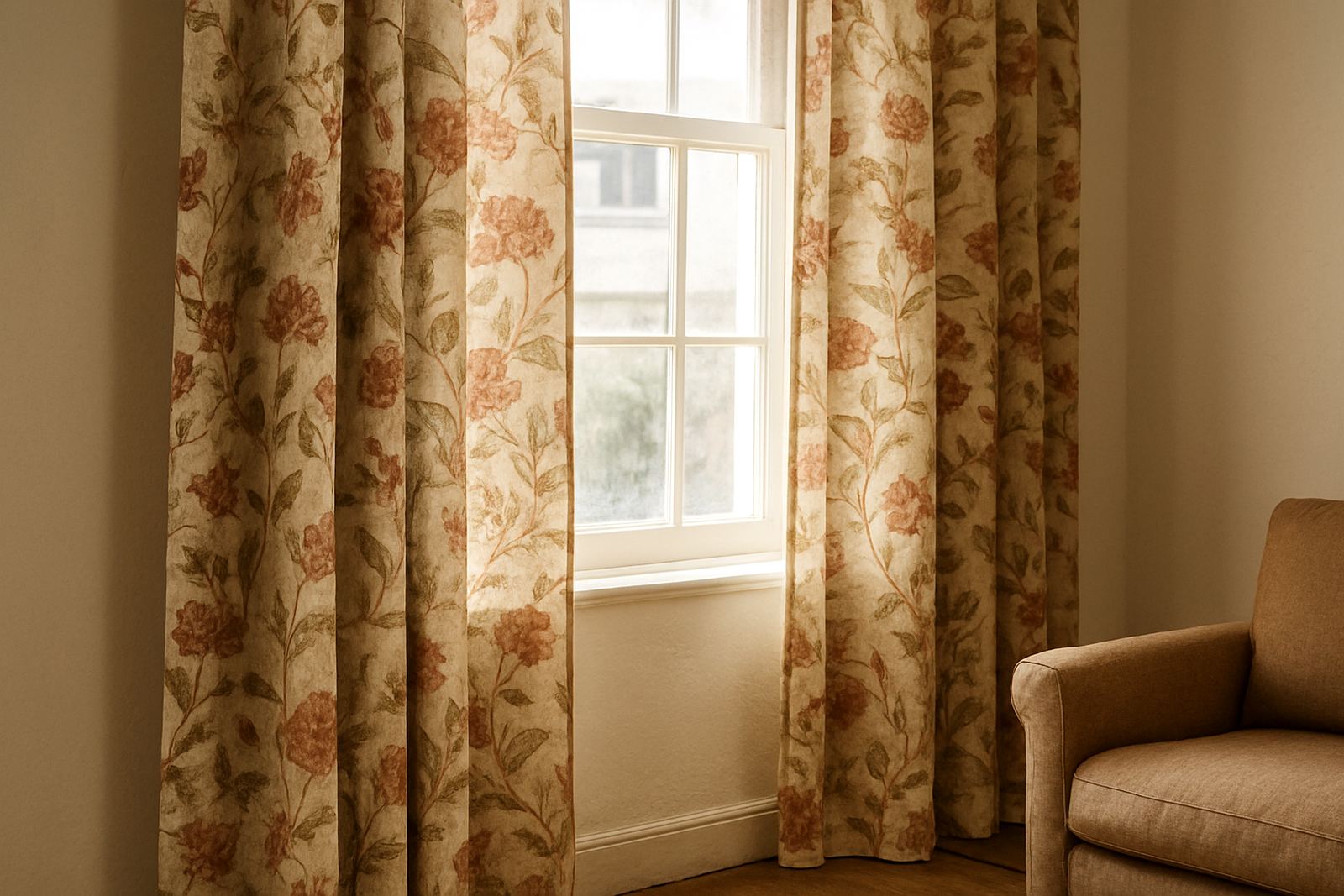
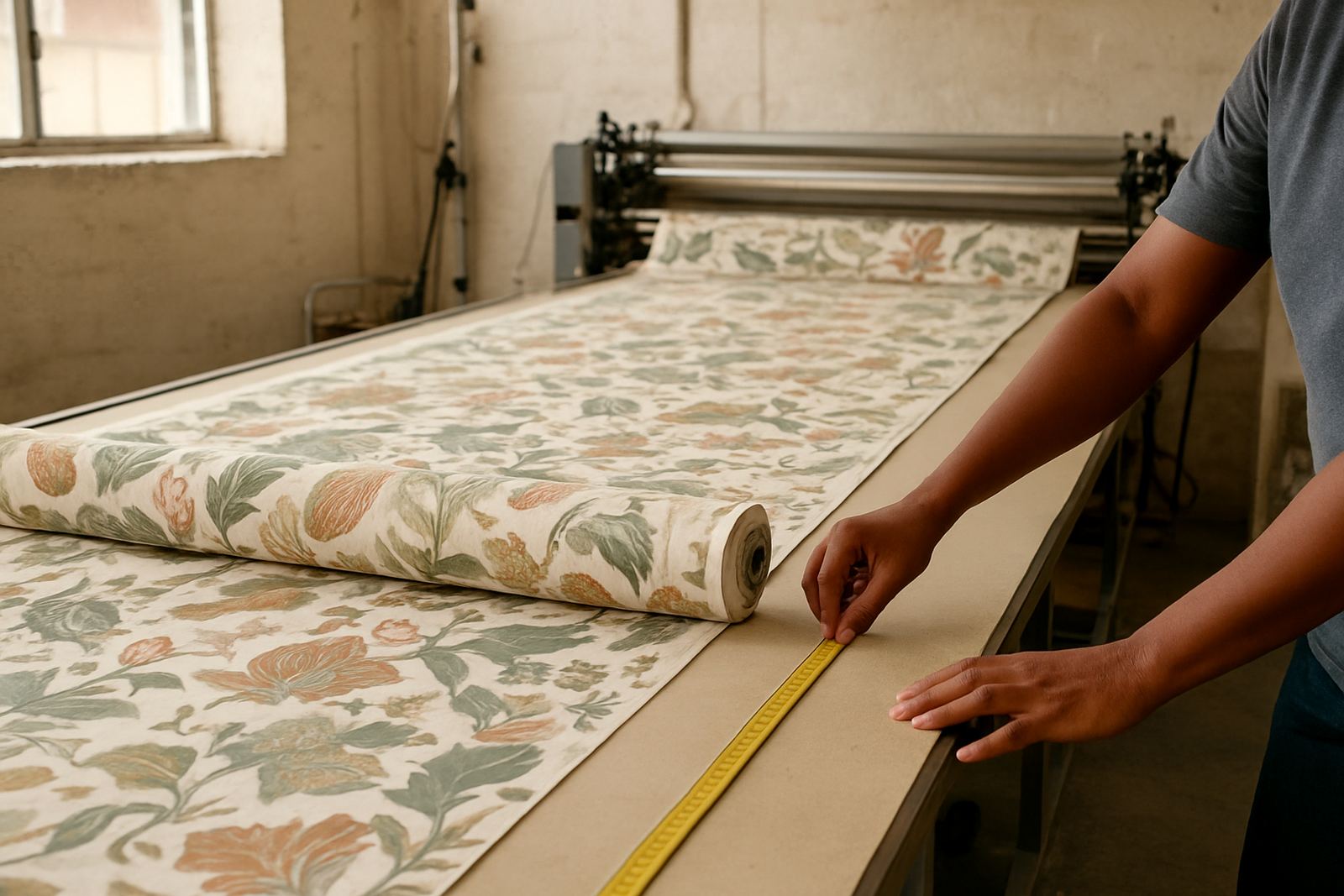
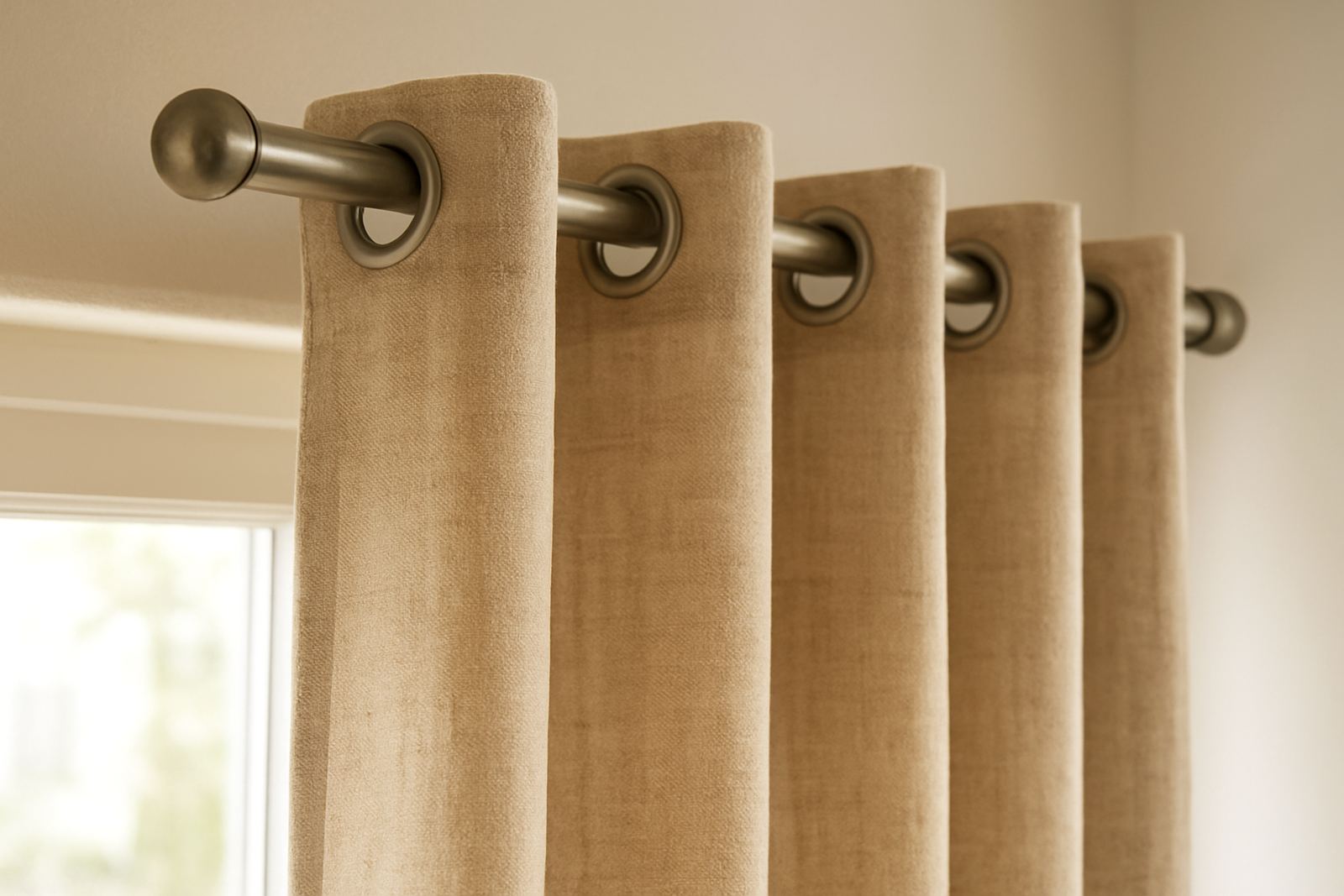
Eyelet curtains are curtains finished with metal rings set into the header so they slide straight onto a curtain rod. The result is a softer wave than a pencil pleat or hook top, and the header sits neat without a lot of extra fuss. At Fabric Printers Studio we print the fabric first, then finish the curtain to your required width and length so the image, repeat or block colour lands where it should.
This product suits homes, guest houses, showrooms, offices, reception areas and retail spaces that need a cleaner look. It works especially well where the curtain will be opened and closed often, because the eyelets take the wear off the fabric header and help the curtain hang evenly.
- Printed to your design, repeat or plain colourway
- Finished with eyelets for rod hanging
- Suitable for lined or unlined curtains
- Made for single panels or pairs
Sizes, fullness and finish choices that matter
We make eyelet curtains to order, so you can choose the drop, width and general look that fits the room. The most common finish is a soft full gather across the rod, which needs enough fabric width to create the right folds. As a guide, many clients order curtain width at 1.5 to 2 times the track or window width, depending on how full they want the final hang.
Standard drops can be set for short windows, half-height windows or full-length curtains that fall to the floor. If your window sits above a skirting board, aircon unit or built-in feature, we can allow for that in the measurement. Eyelet sizes are matched to the rod thickness, and we check the header height so the ring spacing keeps the top edge tidy.
- Custom widths and drops made to your measurements
- Eyelet spacing set for balanced folds
- Optional lining for better body and reduced light
- Suitable for lighter fabrics or heavier decorative cloths
Where eyelet curtains work best in South African spaces
In Cape Town homes, eyelet curtains are popular where people want a clean look with easy daily use. They suit lounges, bedrooms, dining rooms, holiday flats and open-plan living spaces. In coastal areas like Woodstock, Salt River and Observatory, a lined curtain can help slow fading from strong sun and reduce the effect of salty air on the room feel. In warmer inland areas, a lighter curtain can keep the room cooler than a heavy layered finish.
For business spaces, eyelet curtains work well in meeting rooms, waiting rooms and hospitality settings where a regular, uniform fold looks better than a loose drape. They are also practical in rental properties because they are easier to remove for cleaning and replacement. If the building has load shedding or no fixed electrical treatment at the window, that does not affect the curtain itself, since these curtains need no power or gas at all.
- Homes, guest houses and apartments
- Offices, reception areas and treatment rooms
- Shaded patios with indoor-outdoor feel
- Rental units needing simple maintenance
Installation on rod systems and what to allow for
Eyelet curtains are mounted on a curtain rod, usually with finials at each end and brackets fixed into the wall or ceiling. The rod must be strong enough for the curtain weight, especially on wider windows or heavier printed fabrics. If the rod is too light, the centre may bow and the folds will not hang properly. For double curtain layers, leave enough space between the rods or tracks so the curtain can move freely.
Before ordering, check the rod diameter, bracket projection and the exact height from the top of the rod to the finished floor line. Measure each window carefully because walls and floors are not always level, and a difference of even 10 to 15 mm can show once the curtain is hung. If you are working with a new build or recent renovation, make sure the rod position allows for tiles, cornices, skirtings and window handles.
- Use a solid rod rated for the curtain weight
- Check rod diameter against eyelet size
- Allow space for handles, skirtings and opening clearance
- Measure each window individually, not by guess
Fabric, lining and care for long service
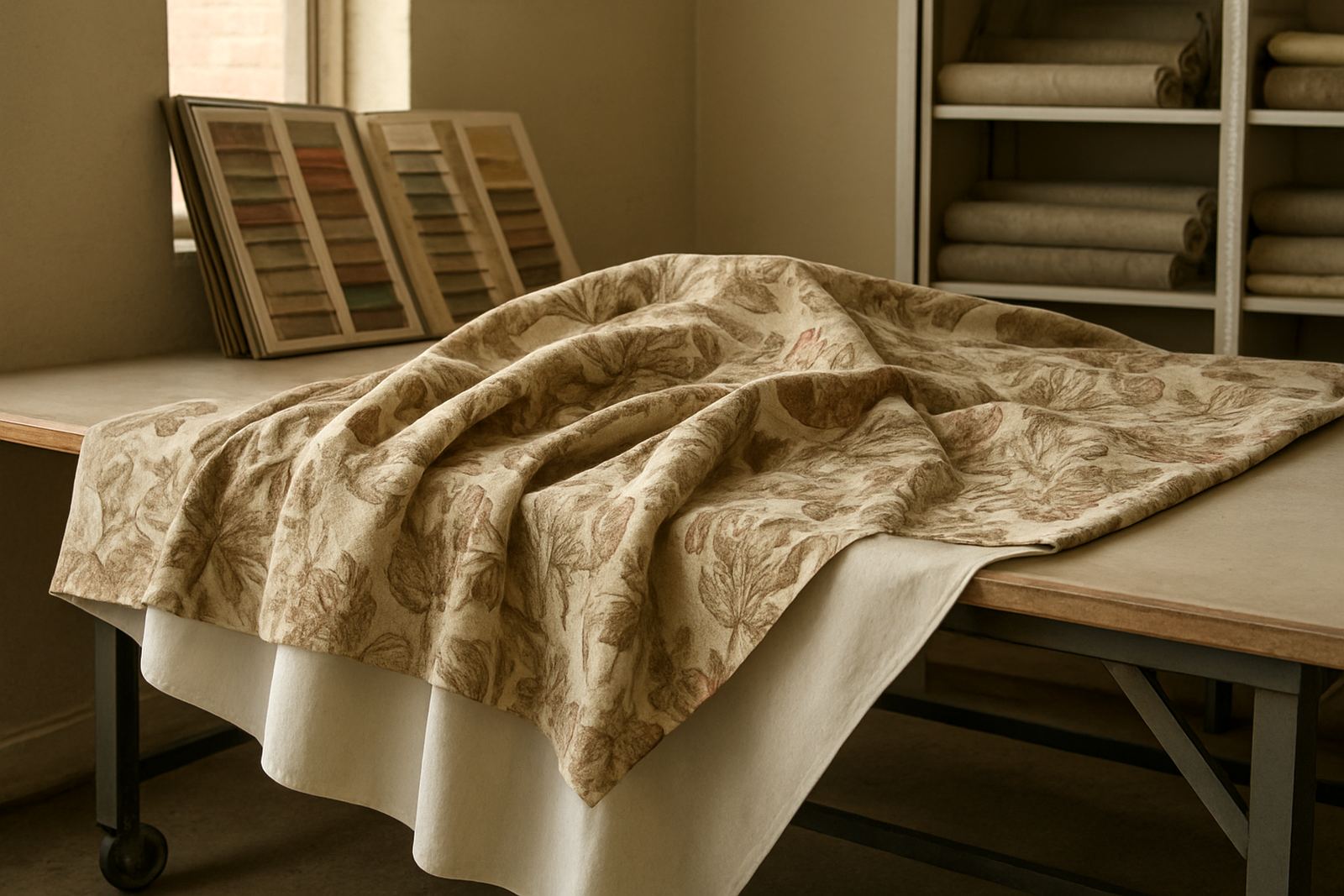
Printed curtains need the right fabric choice for the room and the level of sun exposure. A lighter fabric gives a softer fall and less bulk, while a heavier base adds better drape and a more formal finish. If the curtain faces strong afternoon sun, a lining can help protect the print and slow down colour fade. In humid coastal homes, a breathable lining is often easier to live with than an overly dense backing.
Care is simple. Most printed curtains should be dusted regularly and cleaned according to the fabric type. Some can be cold washed gently, while others are better suited to dry cleaning or professional curtain cleaning. Always avoid harsh bleach, and do not wring the fabric hard after washing. If the eyelets become loose after years of use, the curtain header can often be checked and repaired before replacement is needed. A little care goes a long way, and the curtains will keep their shape better.
- Choose lining for sun protection and better structure
- Dust regularly to reduce build-up on folds
- Follow fabric-specific cleaning instructions
- Check the eyelet area if the curtain is moved daily
What to send through before we print and finish
To get the eyelet curtains right first time, send us the finished width and finished drop you need, plus the rod diameter and whether you want a single panel or a pair. If the curtains must align with a print repeat, border or feature image, tell us where the design should sit. We also need to know if the curtain will hang inside the recess, outside the frame, or across a wider wall section.
It helps to confirm the room use, sun exposure, and whether you want plain, lined or blackout style support. For bulk orders, such as guest units or offices, we can keep the finish consistent across multiple windows. Our team in Ndabeni handles file checking, colour matching, sampling, printing, hemming and dispatch so the order moves through cleanly from start to finish. If a measurement is unclear, rather ask before production begins, because a small mistake in the header can mean the curtain hangs too high or too short.
- Finished width and finished drop
- Rod diameter and hanging position
- Room use and sun exposure
- Print placement notes for repeats or feature artwork
Key facts
| Product type | Printed eyelet curtains made to order |
|---|---|
| Hanging method | Metal eyelets on a curtain rod |
| Common use | Homes, guest houses, offices and retail spaces |
| Size range | Custom widths and drops to your measurements |
| Finish options | Plain, lined or blackout support on request |
| Service area | Ndabeni, Cape Town and courier delivery nationwide |