


How to choose the right fabric for your job
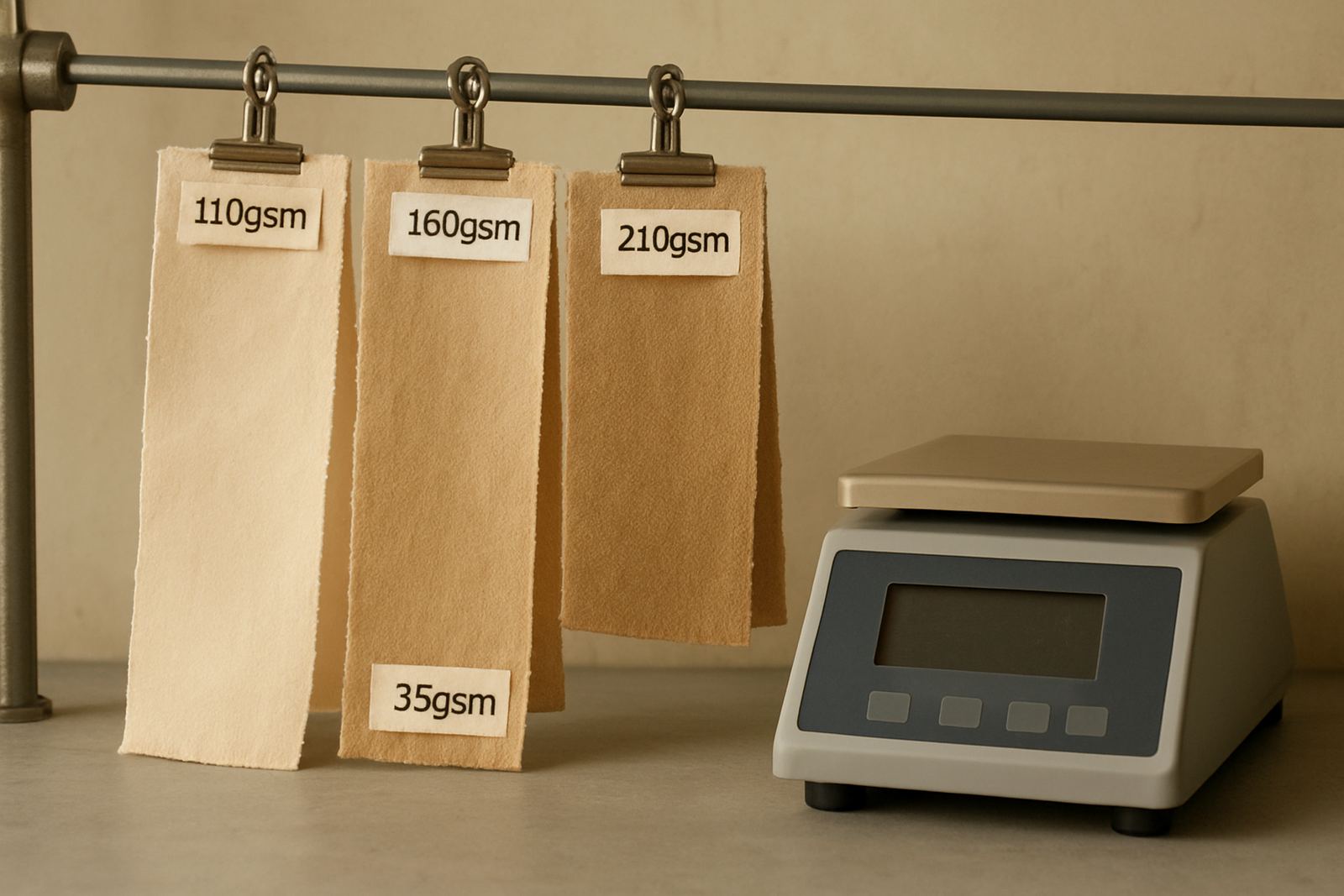
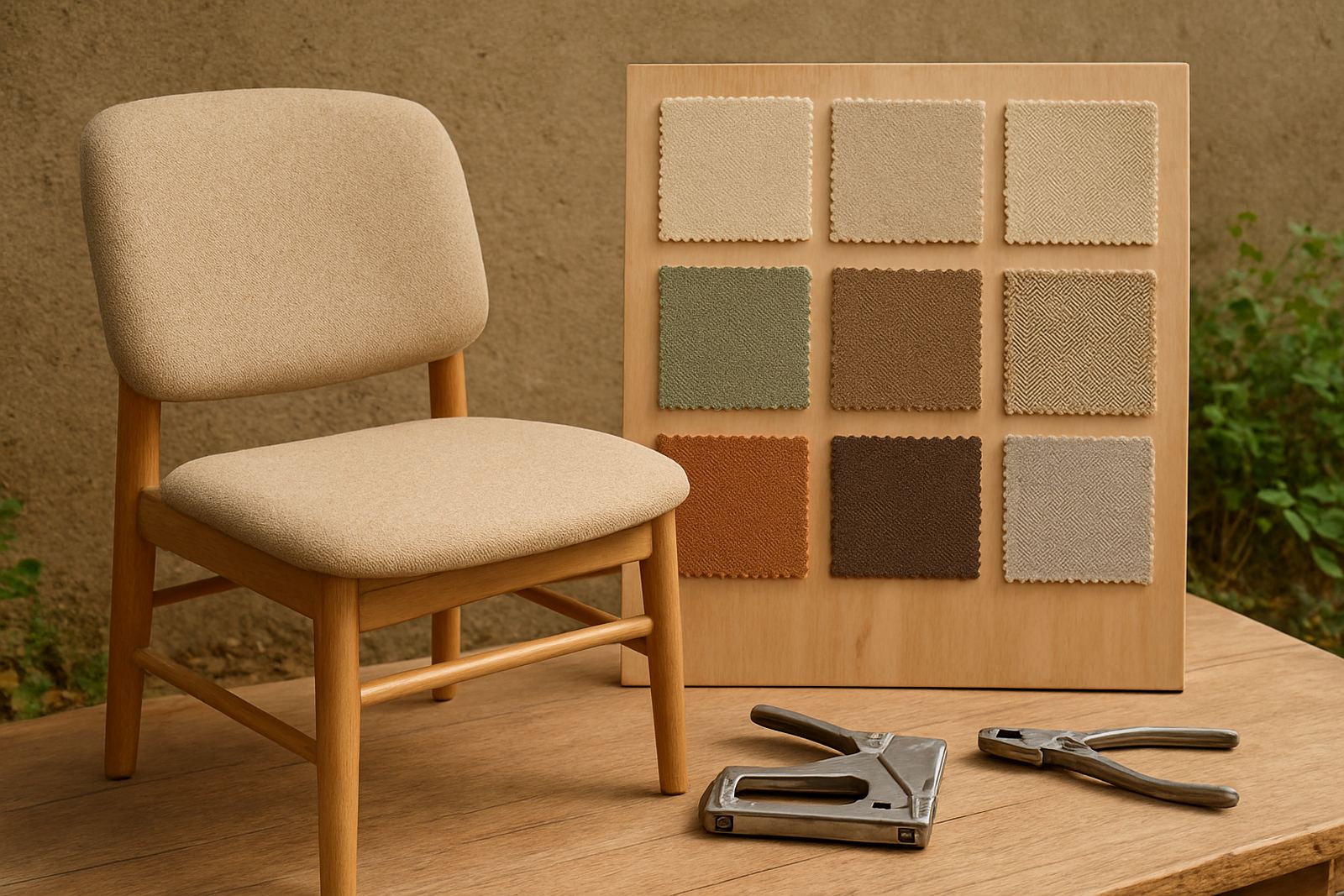
The starting point is always the end use. Curtains need the right drape and enough body for a neat hang, while upholstery needs a tougher cloth that can handle daily wear. Flags and promotional pieces need movement and colour impact. If you are ordering fabric by the metre for clothing or soft furnishings, the weave, weight and finish must suit how the item will be used in South African homes and businesses.
In Cape Town and along the coast, humidity and salt air can affect some fabrics over time, especially if they sit in sunny rooms or on shaded patios. For heavier jobs, ask about how the fabric will behave after printing, washing and stitching. A good brief saves rework and helps us steer you to the right base from the start.
- Heavy use: upholstery, cushions and hospitality interiors
- Decor focus: curtains, scatter cushions and room dividers
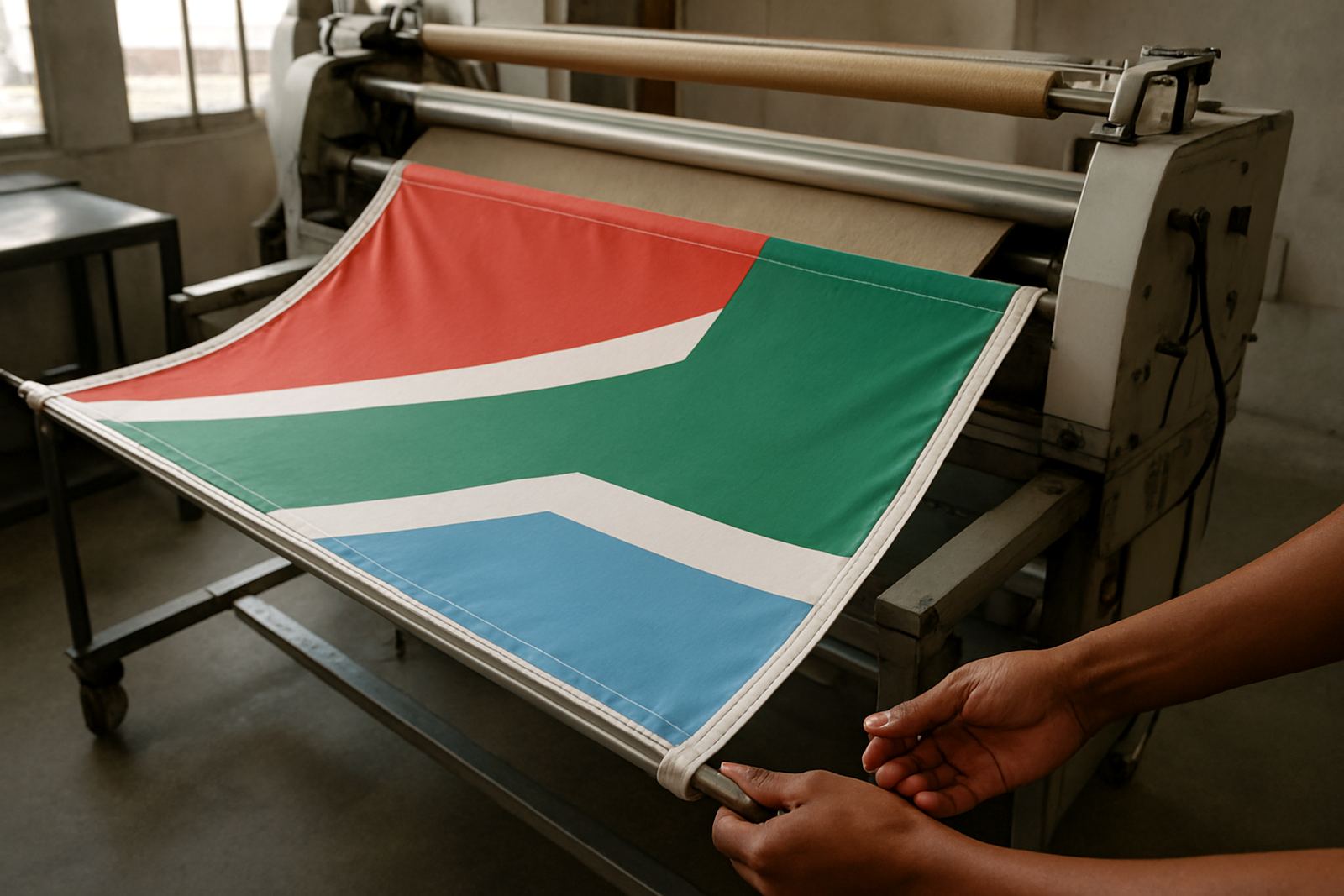
- Display work: flags, event drops and retail signage fabric
- Fashion use: garments, trims and limited run ranges
What to know before you send artwork
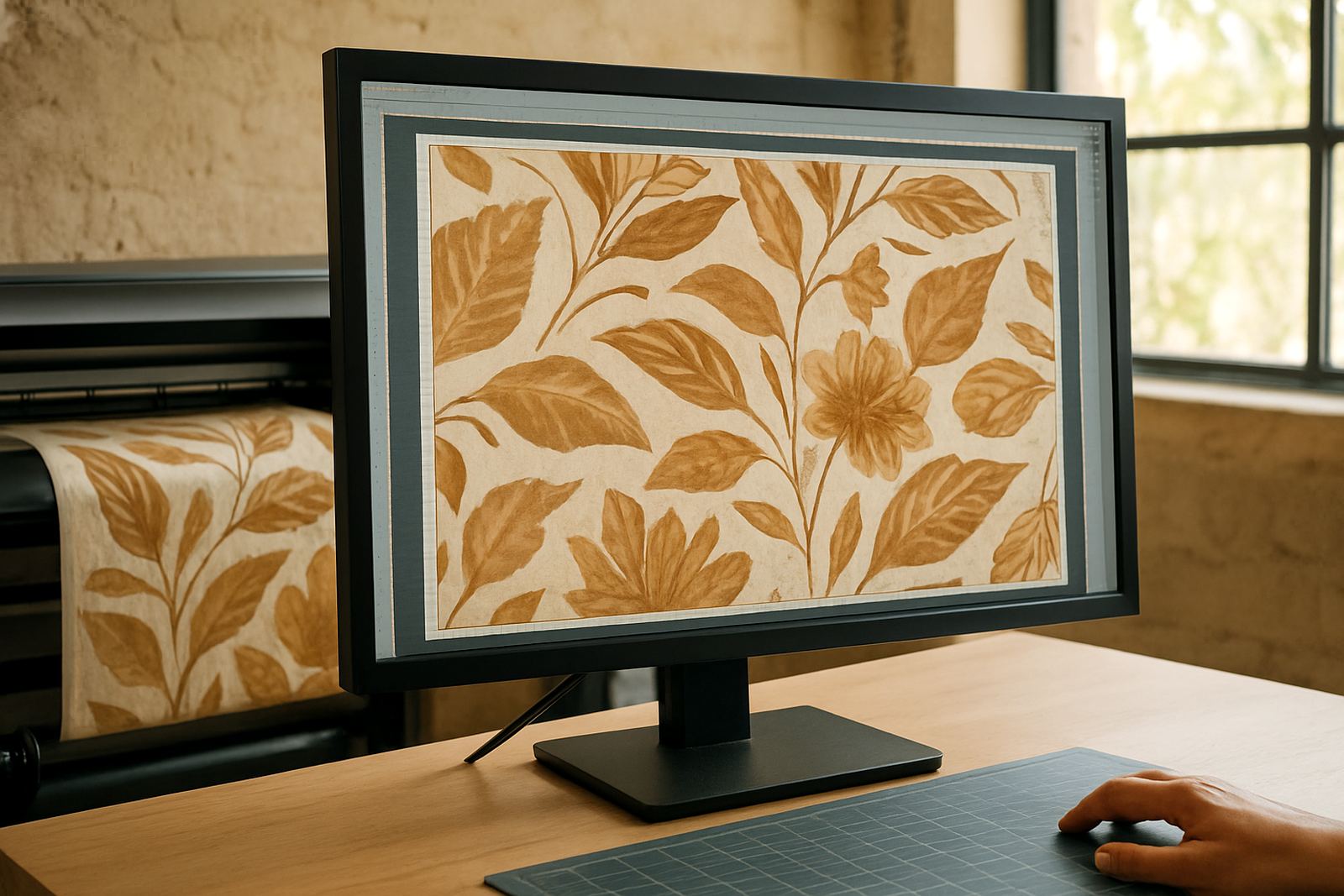
Good print results start with clean files. Artwork should be clear enough for the finished size you need, with any repeats set correctly and colours checked before production begins. If your design includes small text, fine lines or a detailed repeat, we recommend a file check first so there are no surprises at print stage.
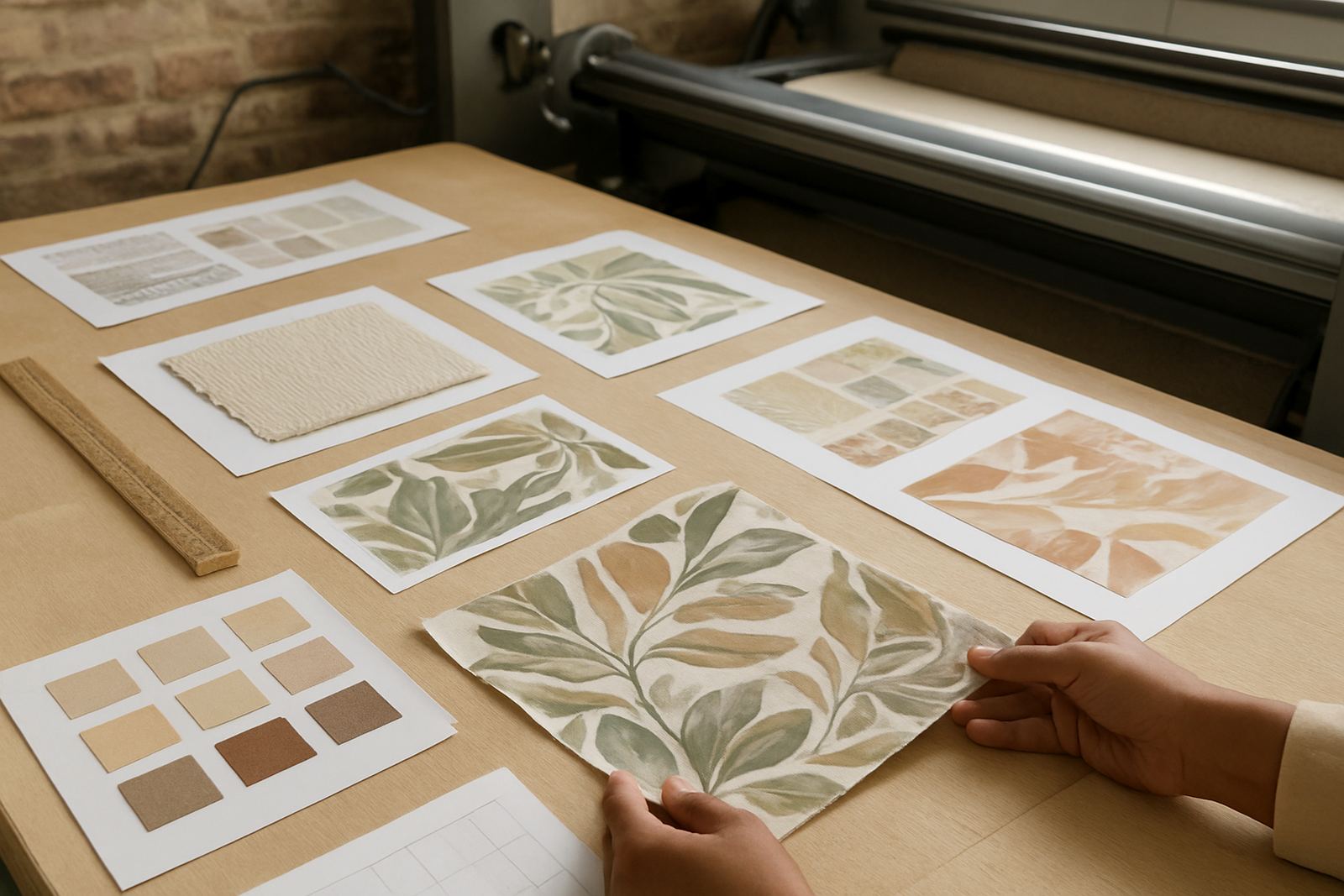
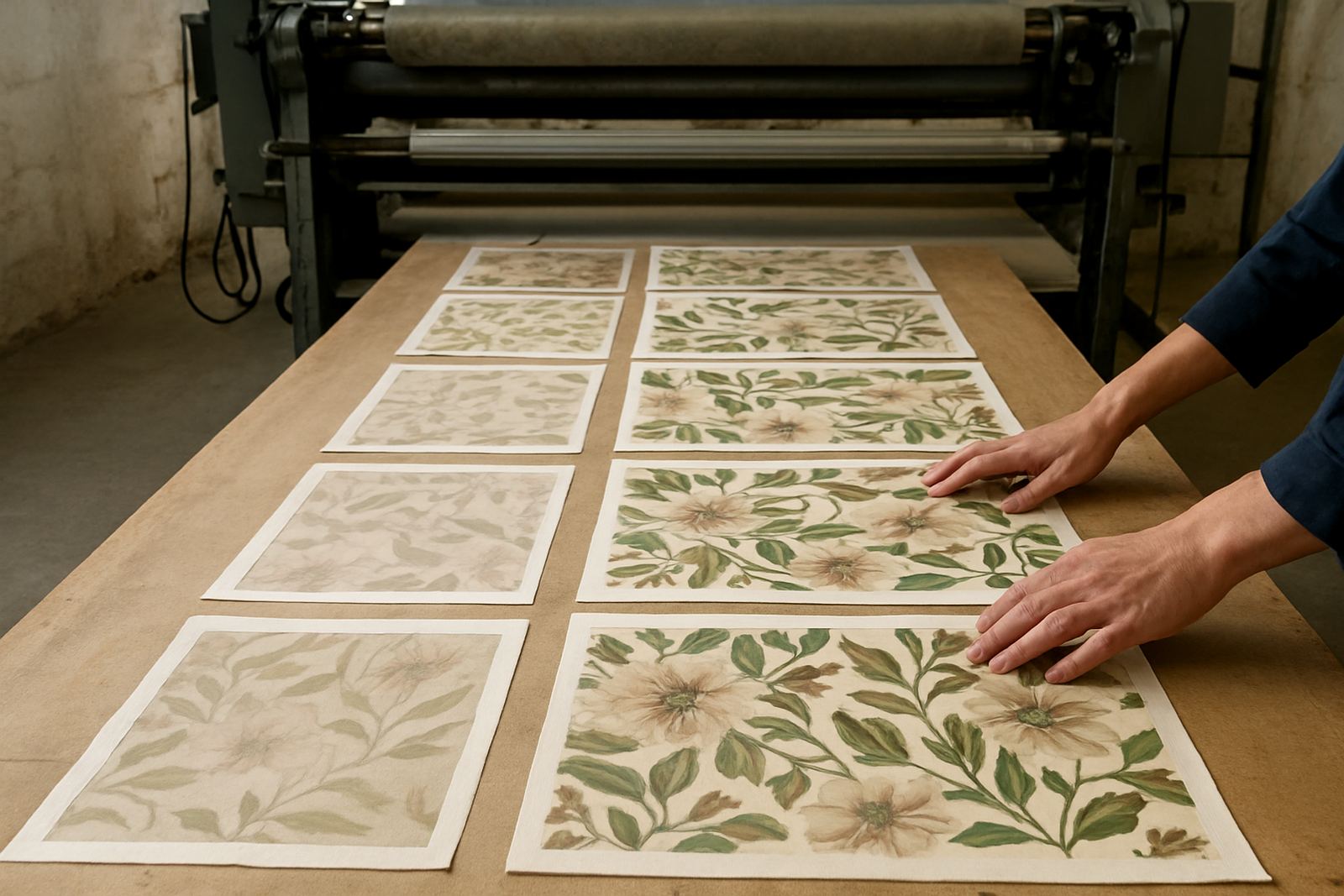
For brand work, colour matching matters. A shade on screen can look very different on fabric, especially on natural or textured cloth. If the job needs consistency across several metres or across repeat orders, ask for a strike-off sample first. That gives you a real fabric reference before a full run is printed.
- Supply the final size required for the finished item
- Check repeats, borders and image placement early
- Allow for slight colour movement between screen and fabric
- Use a sample where exact matching is important
When to order a strike-off or sample run
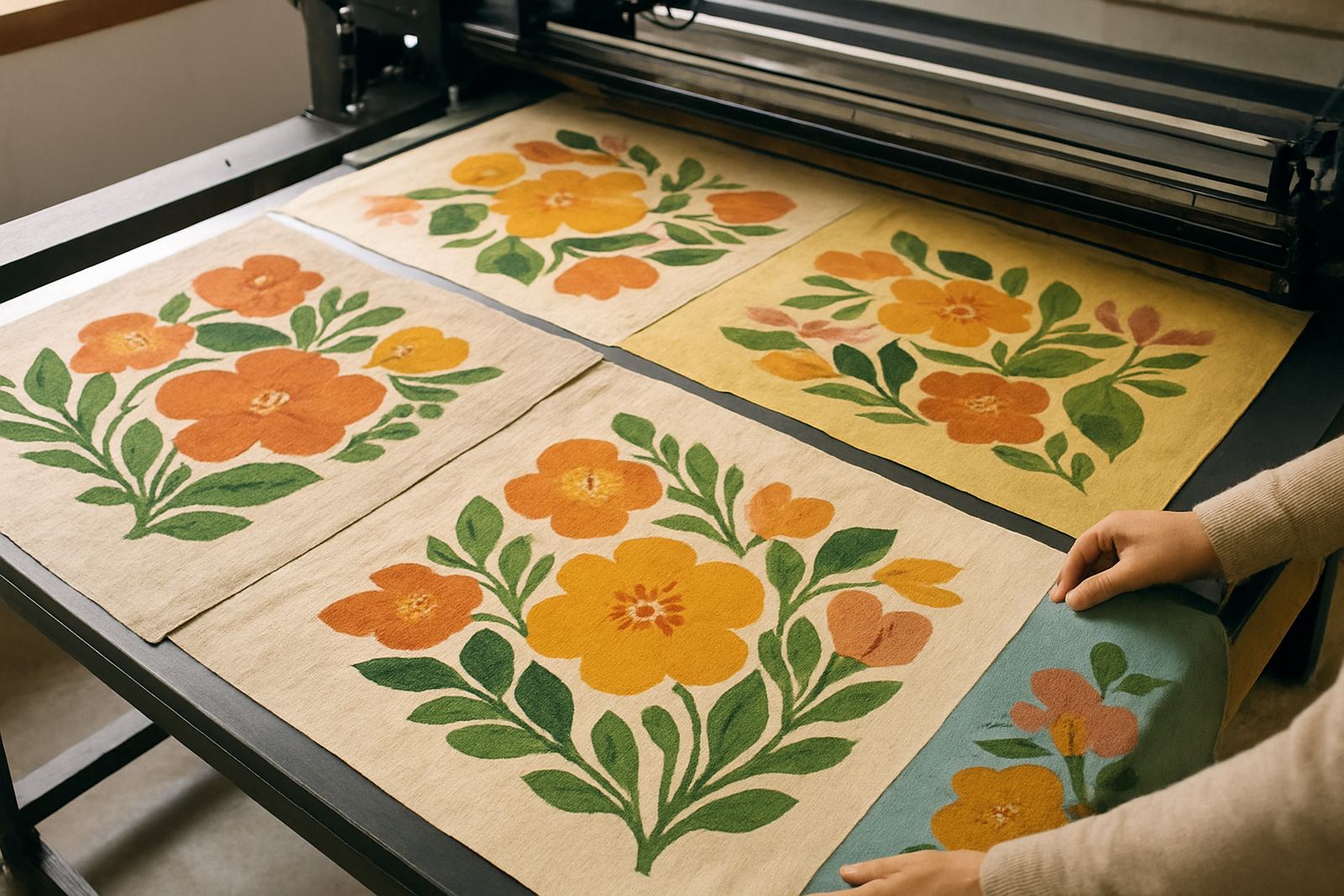
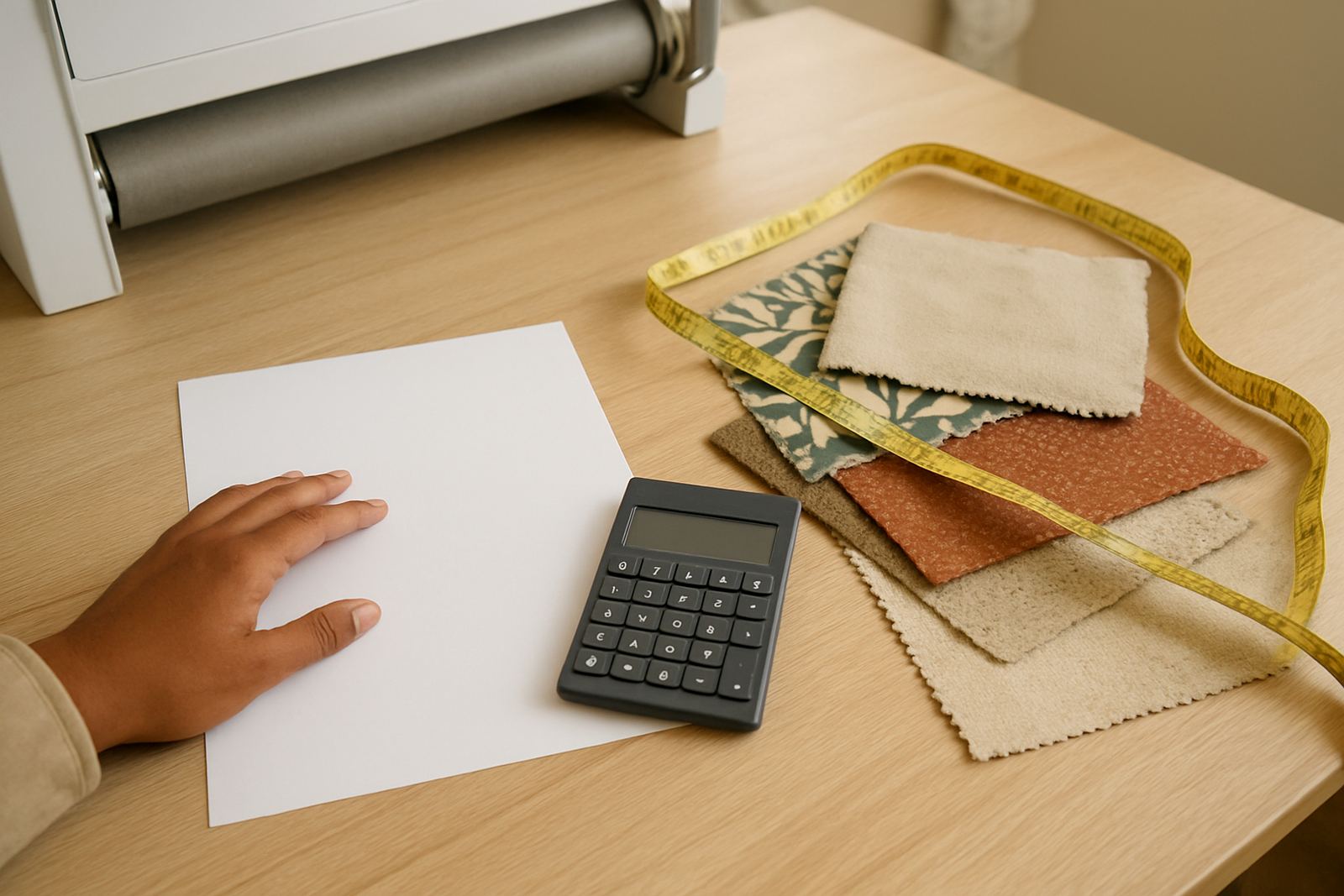
A strike-off is useful when the job has tight colour requirements, new artwork or a fabric choice you have not used before. It helps with proofing, colour confidence and scale checks. This is especially helpful for interior decorators, fashion makers and business clients placing bulk print runs, because it reduces the risk of costly changes once full production starts.
If your job is for a hotel, restaurant, retail fit-out or a client presentation, sampling is often worth the extra step. It also helps when there are municipal or site rules to work around, such as visible branding on flags, event fabric or temporary displays. A small sample can show how the print will read in real light, not just on a computer screen.
Finishing options that affect the final result
Finishing is more than a final touch. The right hem, seam or edge treatment can improve the life of the piece and make installation easier. Curtains may need careful hemming and clean edge work. Flags often need reinforced seams and neat finishing for poles or ties. Upholstery and soft furnishings may need practical edge treatment that supports sewing and wear.
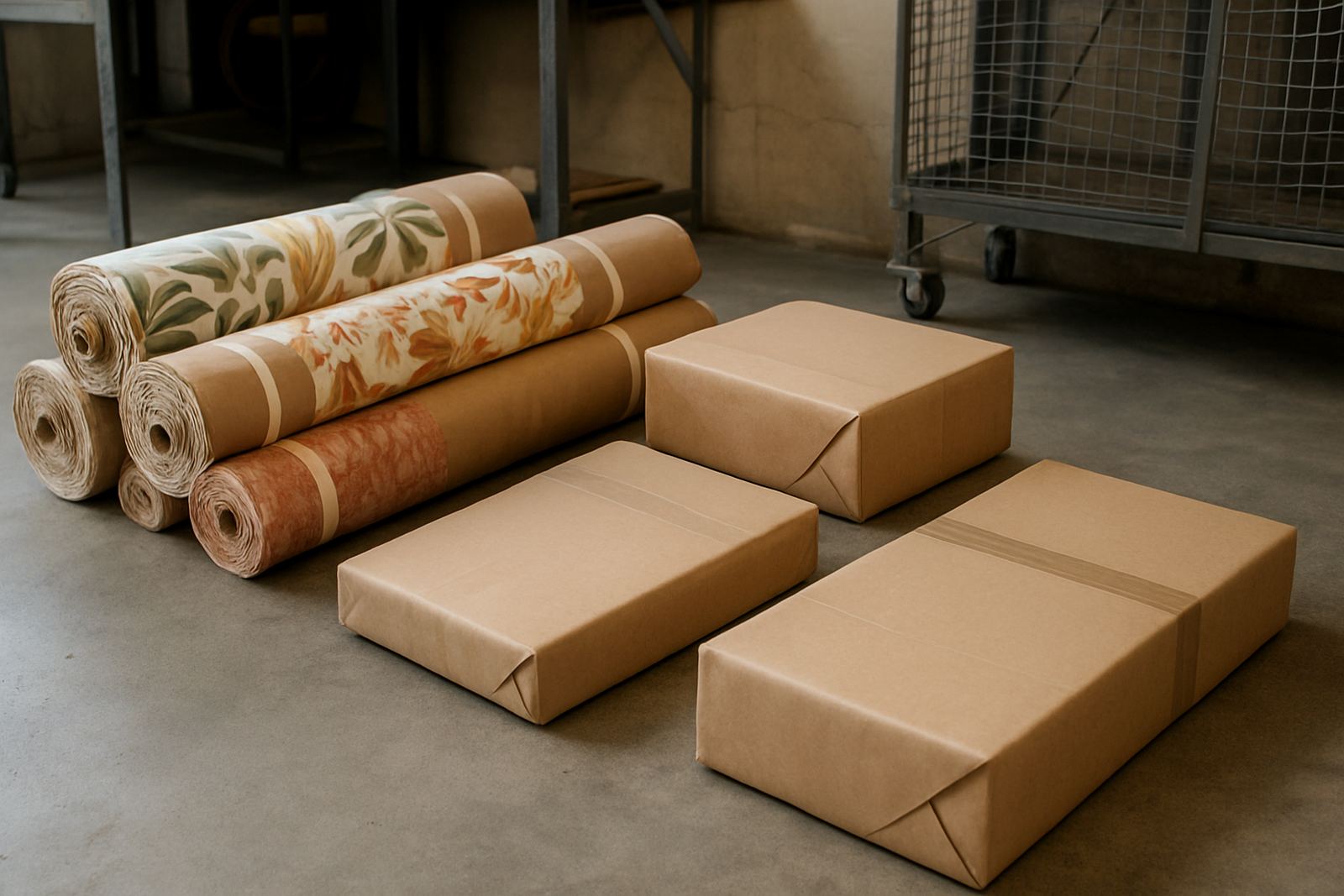
If the job is going out by courier nationwide, good packing matters too. Fold marks, loose rolls and poor labelling can cause delays, so the dispatch side must be planned with the print itself. For clients in Ndabeni, Woodstock, Salt River, Observatory, Montague Gardens and Century City, collection can be arranged as part of the workflow.
- Hemming for curtains and home decor pieces
- Reinforced edges for flags and display fabric
- Careful packing for courier fabric deliveries
- Job-specific finishing for trade and bulk orders
How to plan small batches and bulk runs
Not every project needs the same production approach. A one-off curtain panel or sample metre has different needs to a retail range or commercial rollout. Small batch printing is useful for testing ideas, seasonal ranges and one customer orders. Bulk print runs suit hospitality, trade accounts and repeat stock where timing and consistency matter.
Lead times depend on fabric choice, artwork readiness and the level of finishing needed. In busy periods, especially around year end and before major trade events, it helps to book ahead. If your team is working to a launch date or install date, share that early so the production sequence can be planned properly.
What questions to ask before you place the order
If you are not sure where to begin, these are the questions that help most. They make the buying process faster and reduce back-and-forth with your supplier. It also helps us match the job to the right print method, fabric and finish, rather than guessing after the fact.
- What is the fabric for: decor, fashion, signage or upholstery?
- How many metres do you need and is there a repeat order expected?
- Do you need colour matching or a strike-off sample first?
- Will the fabric be cut, sewn, installed or couriered nationwide?
For clients across Cape Town and beyond, clear answers lead to cleaner results. If you are comparing options for custom curtains, printed fabric by the metre, flags or trade work, a good specification sheet saves time and helps the job run smoothly.