Start With the Fabric Type and End Use
Care starts with knowing what the item is used for. A curtain in a living room, a cushion cover in a busy home, a promotional flag outside in Cape Town wind, and upholstery on a chair all need slightly different handling. If you are unsure, treat the item gently first and test on a small hidden area before doing a full wash.
Printed fabrics are usually best cared for with cool water, mild detergent and low mechanical action. Strong bleach, hot tumble drying and rough scrubbing can dull colour and shorten the life of the print. For items that face regular sun exposure, like patio scatter covers or window dressings, the aim is to slow fading and reduce fibre stress as much as possible.
- Check the fibre content before washing.
- Separate light and dark colours.
- Test any stain remover on a hidden corner first.
- Use the gentlest method that will still clean the item properly.
Washing Steps That Help Printed Colours Last
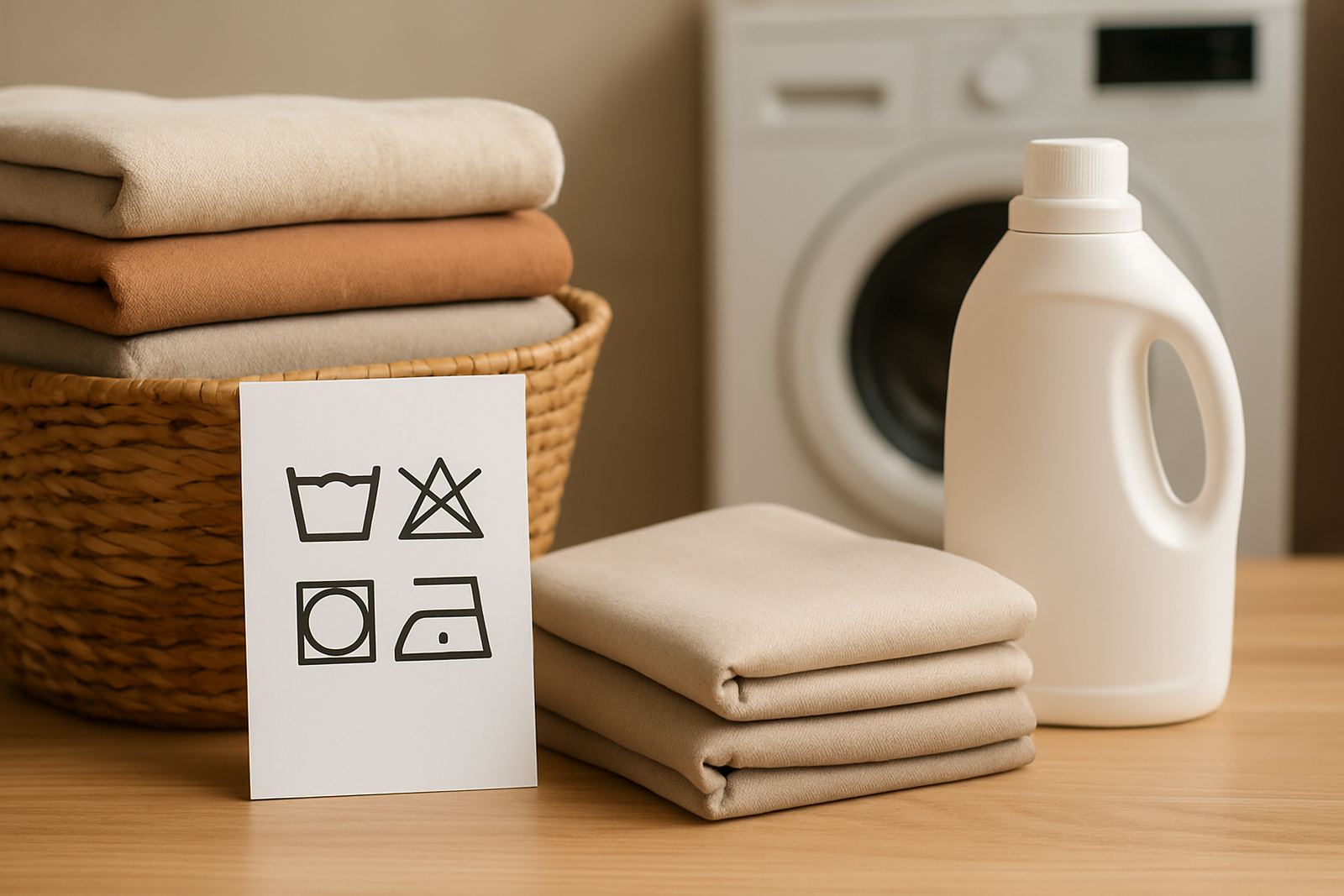
For most printed textiles, hand washing or a cool machine cycle is the safest option. Turn items inside out where possible so the printed face gets less friction. Use a mild liquid detergent and avoid powders that may leave residue on darker prints. If the fabric has heavy soiling from dust, traffic or coastal moisture, shake or brush off loose dirt before washing.
Do not overload the washing machine. When items rub hard against each other the print and the fabric face both take a beating. If you are washing curtains, remove hooks and fittings first. For upholstery covers, zip them closed and check seams before putting them in the wash. A little care here saves rework later.
- Use cool to lukewarm water, not hot.
- Choose a gentle cycle with a short spin.
- Skip bleach and harsh stain chemicals.
- Rinse well so soap does not stay in the fibres.
Drying Without Shrinkage, Marking or Sun Damage
Air drying is usually the best option for printed fabric. Hang items out of direct midday sun where possible, especially in coastal areas where colour can fade quicker if left exposed for long periods. Strong sunlight and heat can also make some fabrics stiff or cause slight shrinkage. If you need to dry curtains or yardage quickly, use shade with good airflow rather than full sun.
For flags and outdoor display pieces, allow the fabric to dry fully before storing. Wet folding can leave marks, odour and mildew. Do not wring the fabric hard, because that can distort the print and stretch the weave. If you must use a tumble dryer, keep it on the lowest setting and remove the item while it is still slightly damp to finish air drying. This helps reduce creasing too.
Pressing, Folding and Storage in a South African Climate
Printed curtains and fashion fabrics often look better after a light press, but the heat setting matters. Use a low to medium iron and always check the reverse side first. A pressing cloth is useful if you are working on a glossy surface or on darker colours that show heat marks more easily. Never press directly over vinyl-like transfers or decorative trims unless you know the finish can take the heat.
Storage matters in places like Cape Town where humidity can change through the seasons. Keep textiles clean, dry and folded neatly in a cool room away from damp walls. Plastic bags can trap moisture so breathable storage is better for long keeping. For bulk fabric, roll where you can instead of folding sharply, because sharp creases can stay visible on some printed surfaces.
- Store only when fully dry.
- Keep away from heaters, damp floors and direct sun.
- Use breathable covers for long-term storage.
- Rotate stock if items are kept for seasonal use.
Caring for Curtains, Upholstery and Everyday Interiors
Home and office interiors put fabric through different kinds of wear. Curtains collect dust, kitchen steam and airborne dirt, while upholstered items pick up body oils, food marks and daily friction. A regular light clean is better than waiting until the piece looks tired. Vacuum curtains and upholstery with a soft brush attachment, using a gentle setting so you do not pull the weave.
For spills, blot rather than rub. Rubbing drives the stain deeper and can roughen the print surface. Use a clean white cloth and cold water first. On upholstery, work from the outside of the spill toward the centre. If the stain is stubborn, get advice before trying stronger cleaners. It is better to lift as much as you can with simple methods than to risk damaging the fabric finish.
- Vacuum soft furnishings weekly where possible.
- Blot spills straight away.
- Use covers or cushions in high-wear seating areas.
- Rotate loose cushions so wear is even.
Flags, Outdoor Fabric and Weather Exposure
Outdoor printed fabric needs the most attention because wind, rain and sun all work against it. Flags and banner-style items should be checked often for fraying edges, loose stitching and colour fade. If strong wind is common in your area, bring the item in after use rather than leaving it under strain all day. This is especially important near the coast or on exposed business sites.
After rain, dry outdoor fabric fully before packing it away. Moisture left in the fibres can lead to mould or a musty smell. If the item gets dusty from road traffic or building work, a light rinse is usually better than a heavy scrub. For repeated outdoor use, plan for shorter service life than indoor textile items and inspect the hems regularly.
Quick Care Checklist Before You Wash or Pack Away
Use this short checklist before cleaning, storing or sending a printed textile to a client or site. It helps prevent avoidable damage and keeps the fabric looking better for longer.
- Check whether the item is indoor or outdoor use.
- Remove hooks, clips, pins and loose fittings.
- Close zips and fasteners.
- Brush off dust or dry dirt first.
- Choose cool water and mild detergent.
- Dry fully before folding or storing.
- Inspect seams, hems and corners after washing.
If an item has a special finish, heavy print coverage or a difficult stain, ask for care guidance before treating it. A few minutes spent on the right method can save a lot of money, time and re-printing later.