Why a sample is worth ordering first
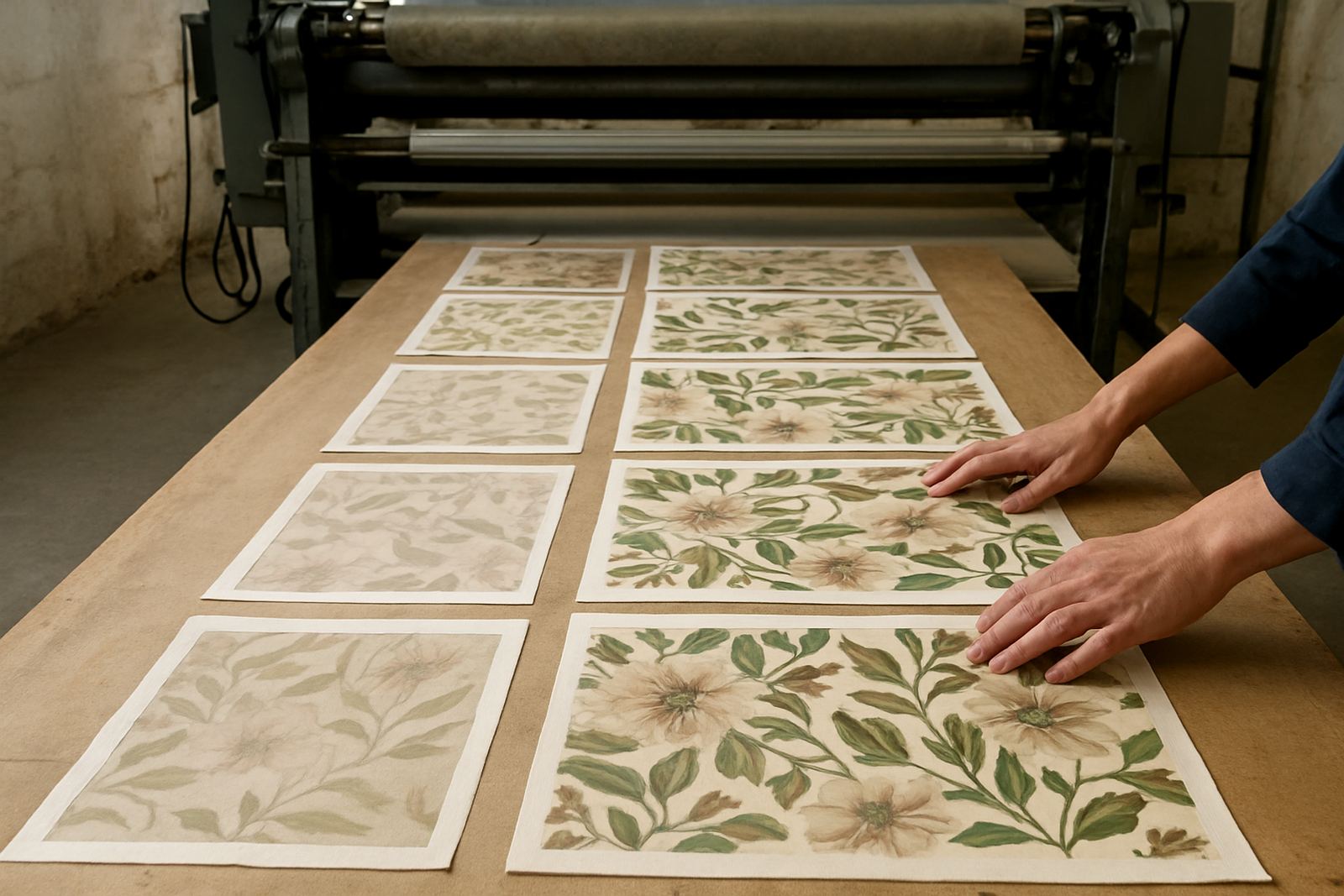
Fabric behaves differently from screen to screen and from one fibre to another. A colour that looks right on a monitor can shift once it is printed on cotton, polycotton or a heavier upholstery base. A sample gives you a real check on colour, line weight, repeat joins and how the design sits on the fabric.
For customer jobs in Cape Town, Johannesburg or smaller towns sent by courier, sampling also reduces back-and-forth on approvals. It is especially useful when you are working to a tight launch date, or when the print needs to match an existing piece in a room or retail range.
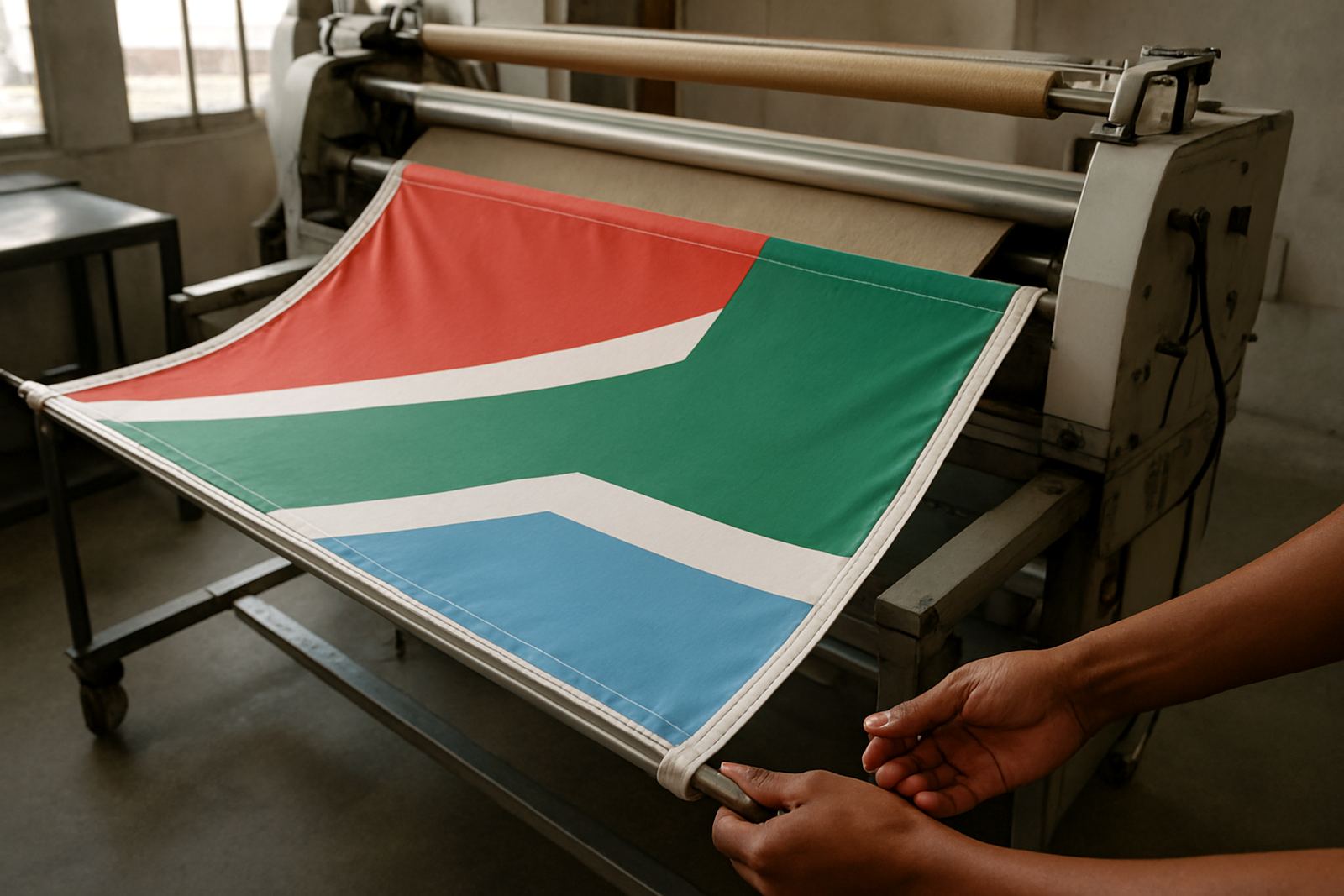
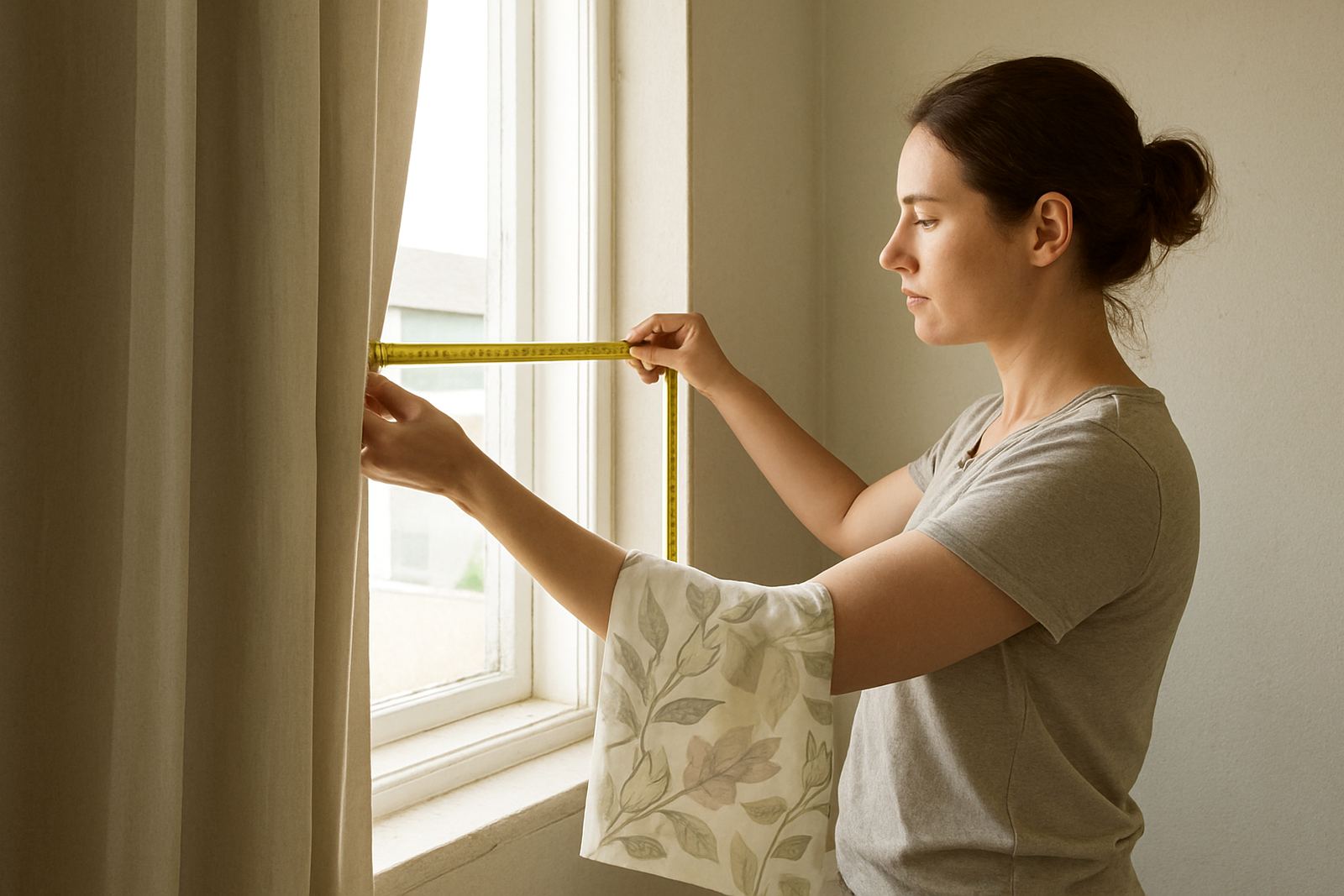
If the order is for curtains, note that natural light changes the way colour reads. A deep navy may look softer at midday and darker at night. For upholstery, the fabric weave can change how fine details print. For flags, check both sides if the application needs strong visual impact from a distance.
When to request a strike-off, swatch or test print
Request a sample before a full run when any of the following apply:
- You need exact colour matching to an existing item, sample or brand guide.
- The artwork has fine text, small repeats or a detailed edge that must line up cleanly.
- You are using a new fabric type, for example a heavier curtain cloth or a different upholstery base.
- The order is large enough that a small error would cost a lot in reprint and time.
- You are printing for retail stock and need to approve one final version before production.
- The job will be exposed to sun, moisture or heavy handling, such as outdoor flags or hospitality cushions.
If you are unsure, ask for a strike-off rather than guessing. It is the simplest way to check colour, scale and placement before we proceed. A swatch can be useful when you only need to see the print on the chosen cloth. A test print helps when you want to review a section of the artwork or a small repeat area.
How to prepare files for sampling
Good sampling starts with clear files. Send the final artwork where possible, not a rough draft. If you want a repeat pattern, include the repeat size and any note on how the design should tile. If you need a specific shade, include a printed reference, Pantone reference or a clear photo of the item you are matching.
Before sending, check that text is spelled correctly and images are sharp enough for the size you want. Small files can look fine on a phone but break up on cloth. If the design is meant for a curtain drop of 2.4 metres or a wide upholstery panel, the scale must be planned properly from the start.
- Send artwork in the highest practical resolution.
- Confirm the final print size in millimetres or metres.
- State the fabric type if you already know it.
- Mark any area that must not be cropped.
- Include your required quantity, even if it is only a sample stage.
What we check during a sample run
During sampling we look at more than the image alone. File checking starts with the layout and repeat, then the print is checked for colour balance, sharpness and any banding or marks. If the job includes finishing, we also check hems, edges and how the cloth sits after handling.
This matters on real production runs where a small fault gets repeated many times. A slight shift in one corner can become very obvious across metres of fabric. With bulk work, it is far better to catch the issue on one sample than on fifty metres.
For clients in Ndabeni, Woodstock, Salt River, Observatory, Montague Gardens and Century City, samples can often be handled quickly before the main order goes into production. For nationwide clients, we can courier approved samples with the full order notes so everyone signs off on the same version.
Reading your sample and making the call
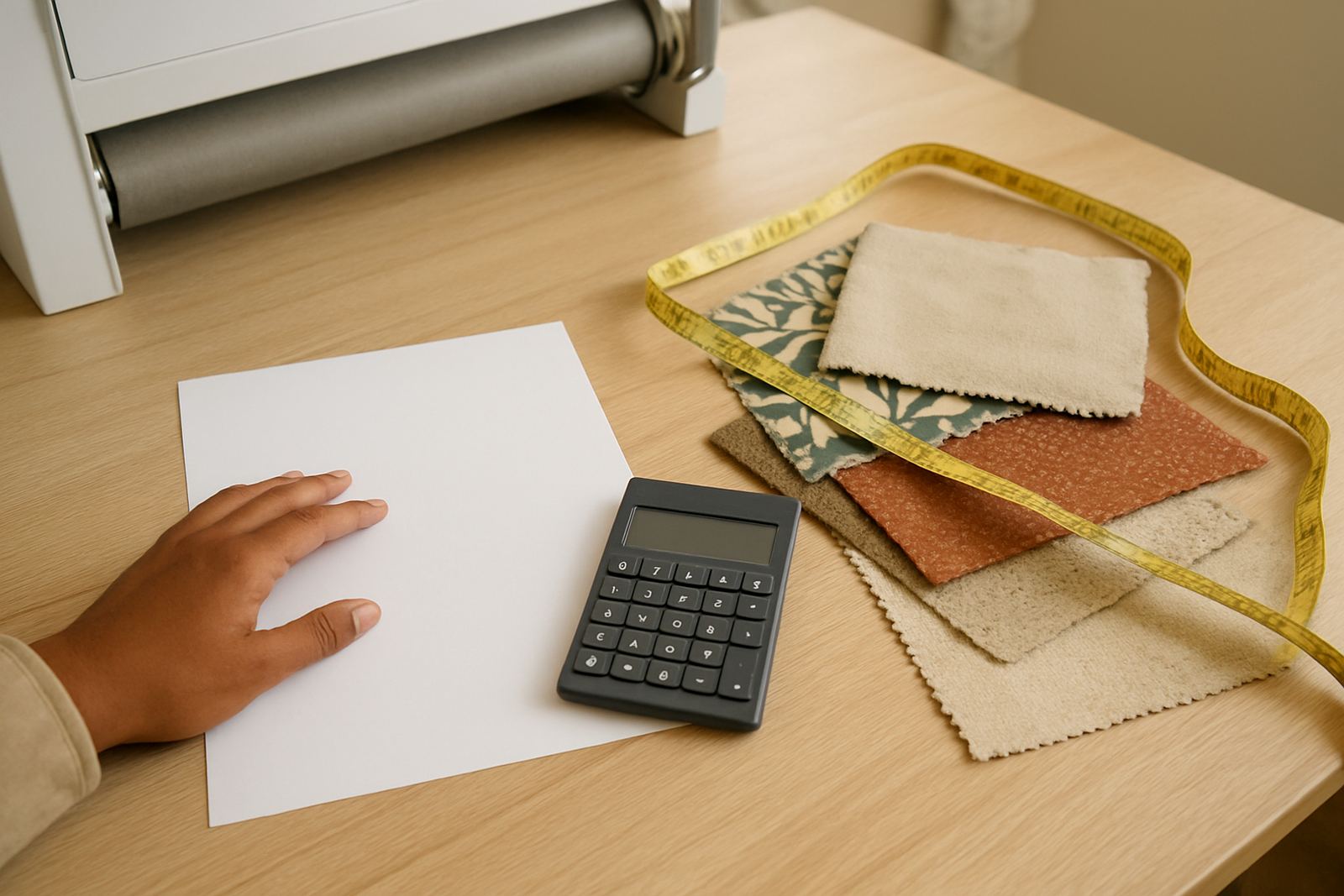
When your sample arrives, review it in the same setting where the finished fabric will be used. Curtains should be checked near a window in daylight and again under evening light. Upholstery should be checked beside the furniture frame or existing fabric. Fashion fabric should be checked for drape, feel and the way the print moves when folded.
Use this quick checklist:
- Does the colour match your reference well enough?
- Is the scale correct for the product?
- Do repeat joins line up cleanly?
- Is the fabric suitable for the end use?
- Are the edges, hems or finish acceptable?
- Is there anything to adjust before the full run?
If changes are needed, keep the feedback specific. Rather than saying the print is off, note whether it needs to be darker, warmer, smaller or shifted. That makes the next version much easier to sort out.
From sample approval to full production
Once the sample is approved, the full run can move ahead with fewer surprises. For repeat orders, keep the approved sample on file so the same settings can be used again. This is helpful for restaurants, lodges, retailers and decorators who need the same fabric months later.
Lead times depend on the order size, fabric type and whether finishing is included. If you need packing and courier as well, tell us upfront so dispatch can be planned properly. In Cape Town, weather and load-shedding can affect production timing, so a clear approval stage helps keep the schedule steady.
For the best result, approve one person to sign off the sample and one version of the artwork. That cuts down on crossed instructions and keeps the job moving cleanly from sample to print run.
What to send with your sample request
To get the right sample first time, include as much of the following as you can:
- Artwork file or clear design brief.
- Fabric choice, or the application if you need sourcing advice.
- Target size, repeat size or panel dimensions.
- Colour reference or matching sample.
- Quantity estimate for the full order.
- Deadline, delivery suburb and any courier notes.
Send your details through our contact form and note whether the job is for curtains, upholstery, flags or fabric by the metre. The more specific the brief, the faster we can guide the sample stage and get your production moving without delays.