What Changes the Price on a Short Run
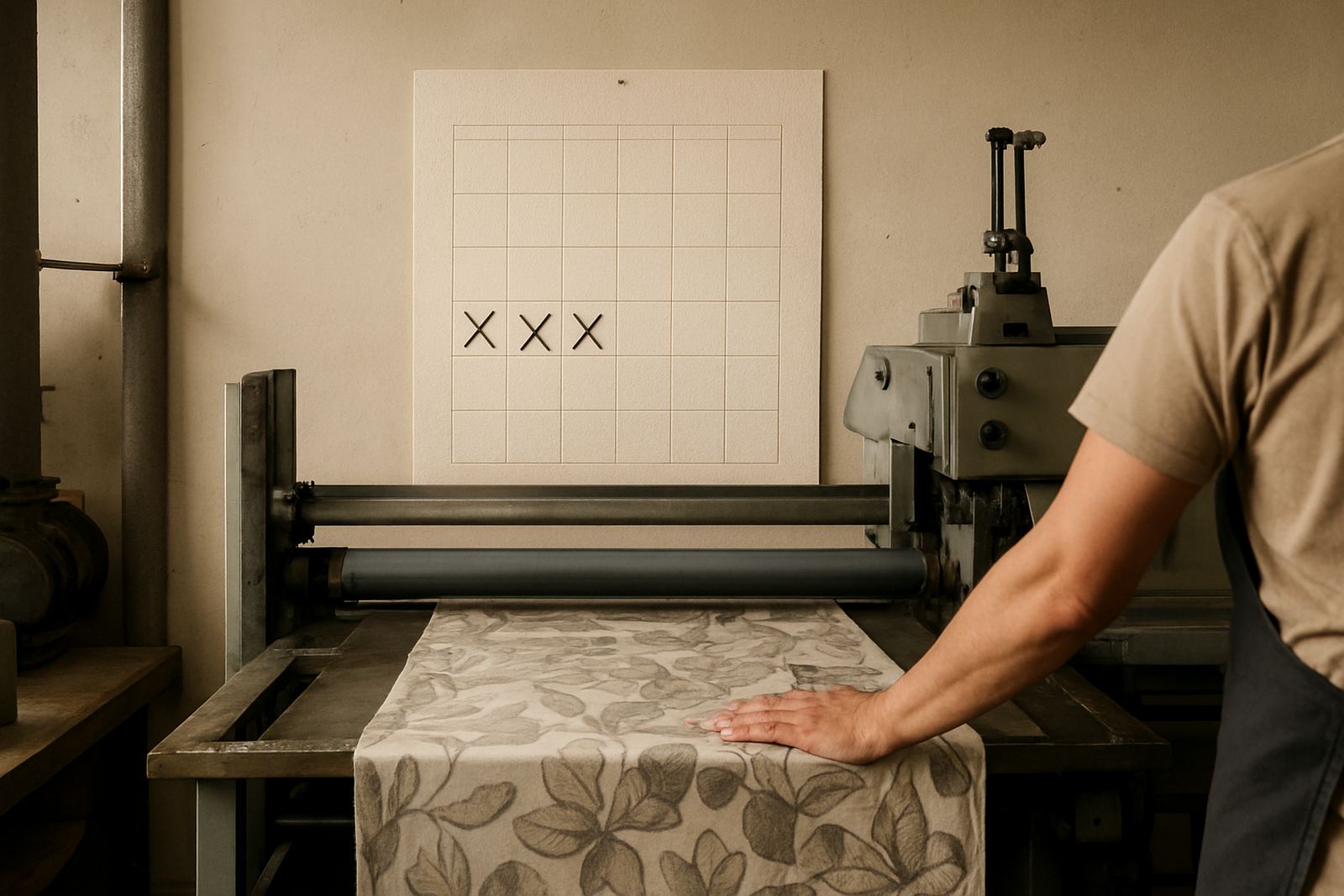
For small run fabric orders, the price is usually shaped by the amount of setup work before the first metre is printed. If you need a custom repeat, colour matching, file checks or a strike-off sample, those steps add to the total even when the quantity is low. A 5 metre run does not use much more administration than a 50 metre run, so the unit price on short runs is naturally higher.
Fabric choice matters too. Light cotton, heavier upholstery cloth and specialist outdoor grades all print and finish differently. If your order needs hemming, eyelets, sewn headers or careful packing for courier, that also affects the final figure. For Cape Town clients in Ndabeni, Woodstock, Salt River, Observatory, Montague Gardens and Century City, the same pricing factors apply, whether the order is collected or sent nationwide.
The Main Cost Drivers to Check First
Before asking for a quote, it helps to know which parts of the job have the biggest impact. Some are obvious, others only show up once the artwork is checked and the fabric is confirmed.
- Print area size in metres or panels
- Fabric type and width
- Number of colours or artwork complexity
- Need for repeat pattern setup
- Colour matching and sampling requests
- Finishing such as hemming, stitching or cut packing
- Turnaround time and courier destination
Short runs can also be influenced by the condition of the file supplied. Blurry artwork, missing measurements or no repeat information can mean extra back and forth before printing starts. That time is small, but on a tight run it still matters. If you want to keep the price steady, send clean artwork and clear instructions from the start.
A Simple Pricing Check Before You Send Artwork
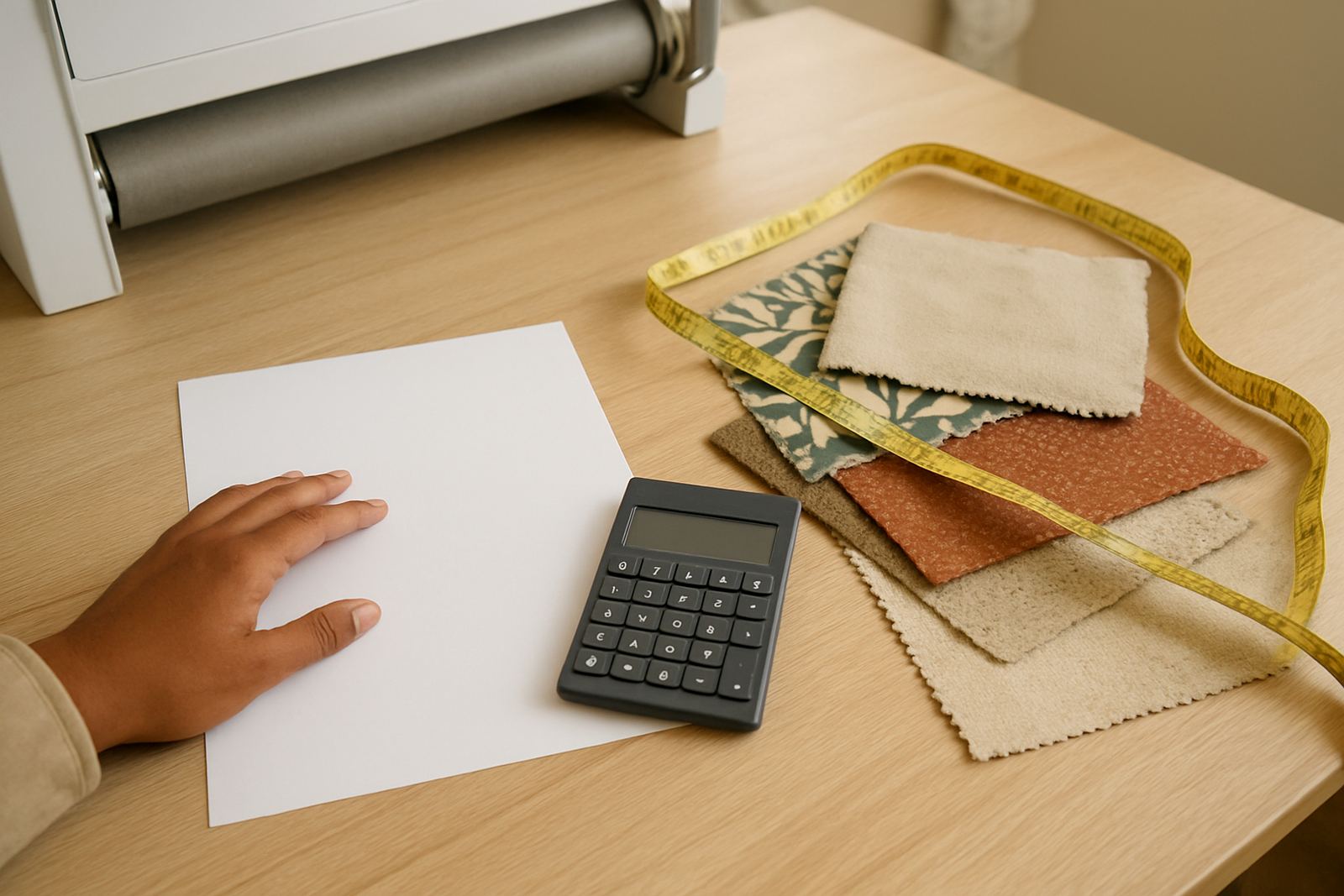
Use this quick check to avoid delays and surprise costs. It helps the studio quote properly and lets you compare options fairly.
- Confirm the exact fabric type you need
- Measure the length in metres, and note width if relevant
- Say whether the design repeats or prints as a one-off image
- Confirm if you need a sample strike-off first
- List any finishing, for example hemming or header tape
- Advise where the order will be used, such as curtains, flags or upholstery
- Share the delivery town or suburb for courier planning
If you are not sure about one of these points, it is better to ask before the job is booked. A few minutes on the front end can save a reprint or a fabric mismatch later. That is especially important with small quantities where every metre counts.
How Sample Runs Help Protect Your Budget
For many short orders, a strike-off sample is the safest step before full production. It lets you check colour, scale and placement on the chosen fabric before the whole run is printed. This is useful for curtains, branded event fabric, fashion pieces and interior samples, where the look on screen can differ from the printed result.
Sampling costs extra, but it can prevent a costly mistake. If your shade must match an existing item, or if the print sits next to paint, trim or upholstery, a sample is often worth it. In humid coastal areas and homes dealing with strong light, fabric can appear a little different once installed, so checking the sample in real conditions is a practical move.
Small Batch vs Bulk Print Runs
Small batch printing is ideal when you need flexibility, test stock or limited pieces for a launch, renovation or special event. Bulk print runs usually bring down the unit cost because the setup is spread across more metres. That does not mean small runs are poor value. It means they are priced for lower quantities, more handling and tighter control.
If you are deciding between a small run and a larger order, think about how the fabric will be used over the next few months. For example, a decor client might start with 10 metres for one room and later reorder after seeing the final result. A business printing flags or branded display fabric may want a small batch first, then increase once the artwork and colour are confirmed. The right quantity often saves money in the end.
Finishing, Packing and Courier Costs
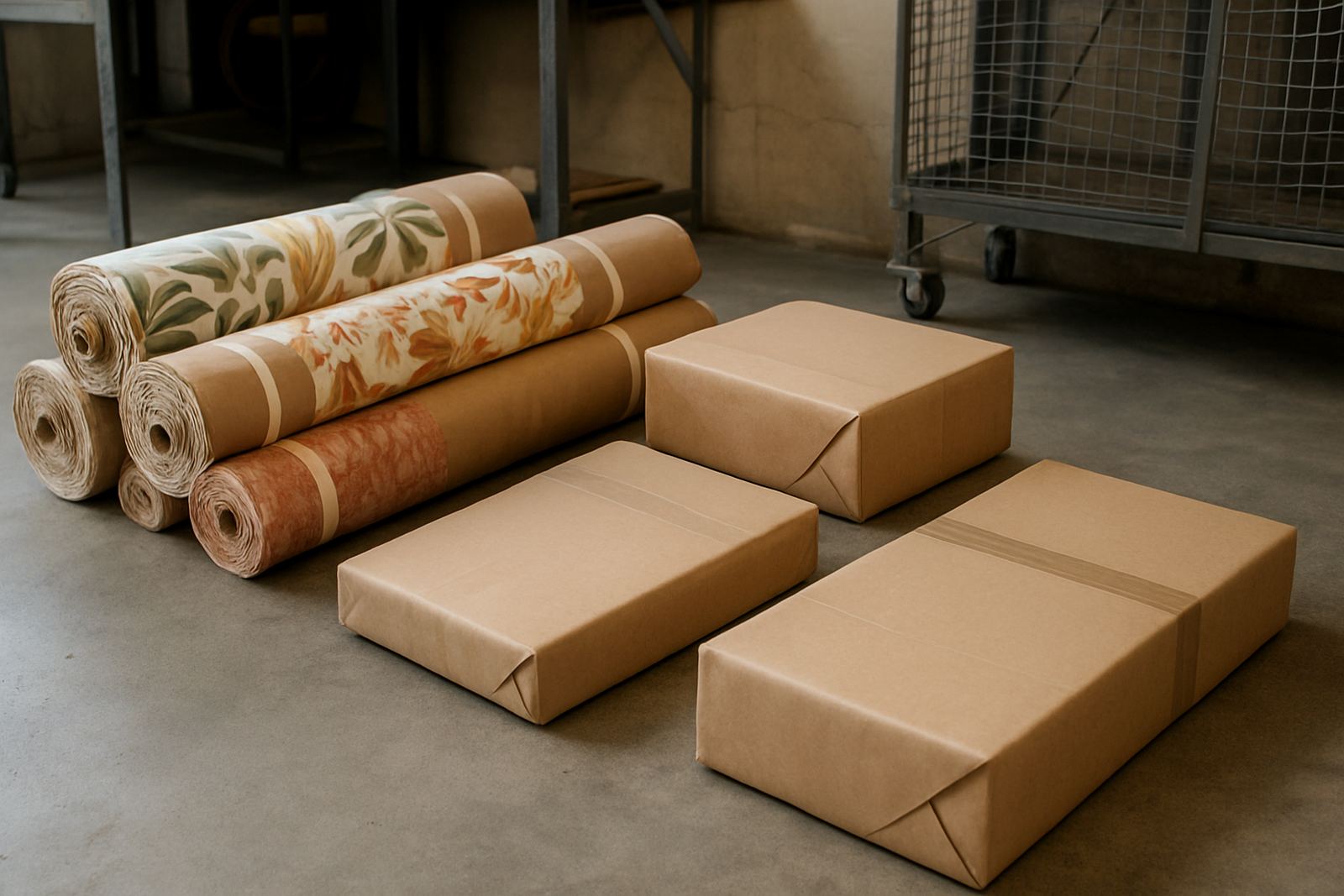
Once printing is done, the final cost can still change depending on finishing and delivery. Hemming, cutting to length, folding, labelling and careful packing take labour and materials. If your order needs to arrive ready for sewing or installation, mention that up front so the job can be priced properly.
- Finished fabric for curtains or upholstery may need edge work
- Flags often need reinforced sides or header finishing
- Trade orders may need itemised packing for multiple sites
- Nationwide courier can vary by size, weight and destination
For clients in Cape Town, local collection from Ndabeni may be easiest, but many short runs go by courier to Johannesburg, Durban, Gqeberha, George and smaller towns as well. Packing needs to protect colour, texture and corners, especially when the weather is wet or the parcel travels over a few days.
How to Keep Your Quote Tight and Accurate
Good pricing starts with good information. If you send the right details once, the quote is usually quicker and more accurate. It also helps the team suggest the most cost-effective way to handle your run without cutting corners on quality.
- Send artwork in the correct format where possible
- State the total quantity clearly in metres or units
- Confirm whether the job is for home, retail or trade use
- Advise if the fabric must match existing stock or decor
- Let the team know about deadlines, events or install dates
Fabric Printers Studio works from Ndabeni in Cape Town and handles short runs for clients across South Africa. If you need guidance on a small order, the team can help you work through fabric choice, print setup, finishing and courier so the pricing is clear before production starts.