What starts the clock on your fabric order
For printed fabric jobs, the lead time starts once we have final approval on the artwork, the correct fabric spec, and the order is ready for production. If you are still changing colours, repeat sizes, or finishing details, the clock has not really started yet.
In practice, the biggest delay is usually incomplete information. A clear brief lets the print team move straight into file checking, colour work and queue planning. If you are sending a job from Cape Town, Johannesburg, Durban or a small town further out, courier time must also be added after production.
- Final artwork approved
- Fabric type confirmed
- Measurements or metreage checked
- Finishing instructions agreed
- Delivery address and contact number supplied
Artwork, repeat patterns and colour matching
Design work can affect lead time more than most people expect. A simple logo print may move faster than a repeat pattern that needs spacing, matching and layout checks. If your file needs clean-up, the team has to correct scale, resolve edges and make sure the repeats join properly before printing starts.
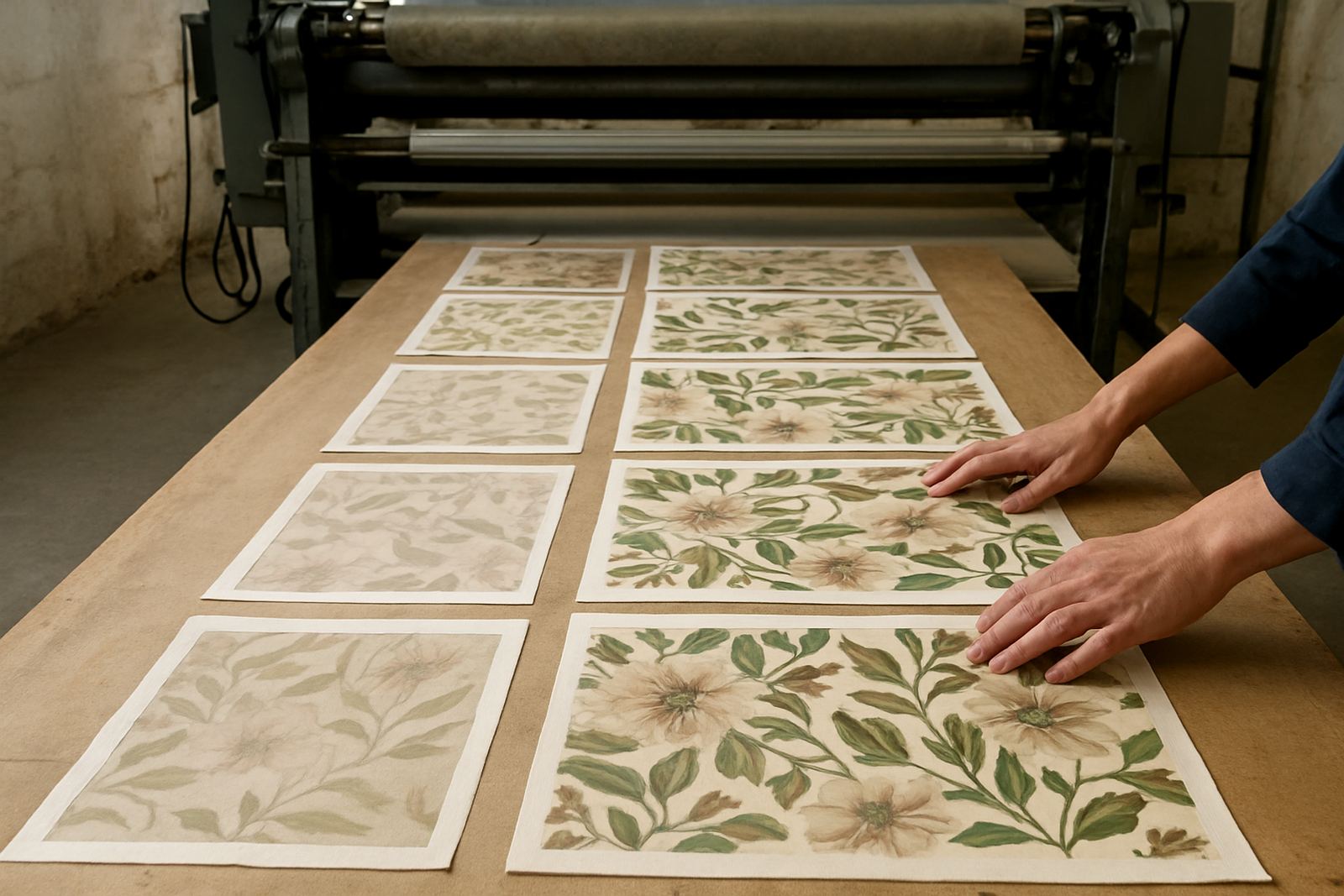
Colour matching can add another step as well. When a client needs a specific shade for curtains, upholstery or branded flags, we may prepare a strike-off sample first. That sample helps avoid wasted fabric later, especially where exact Pantone-style matching or a close visual match is needed.
- Send high-resolution artwork where possible
- Confirm the repeat size if it is a repeating design
- State whether colour must match a sample or reference
- Allow time for strike-off approval if accuracy matters
Fabric choice and how it changes production time
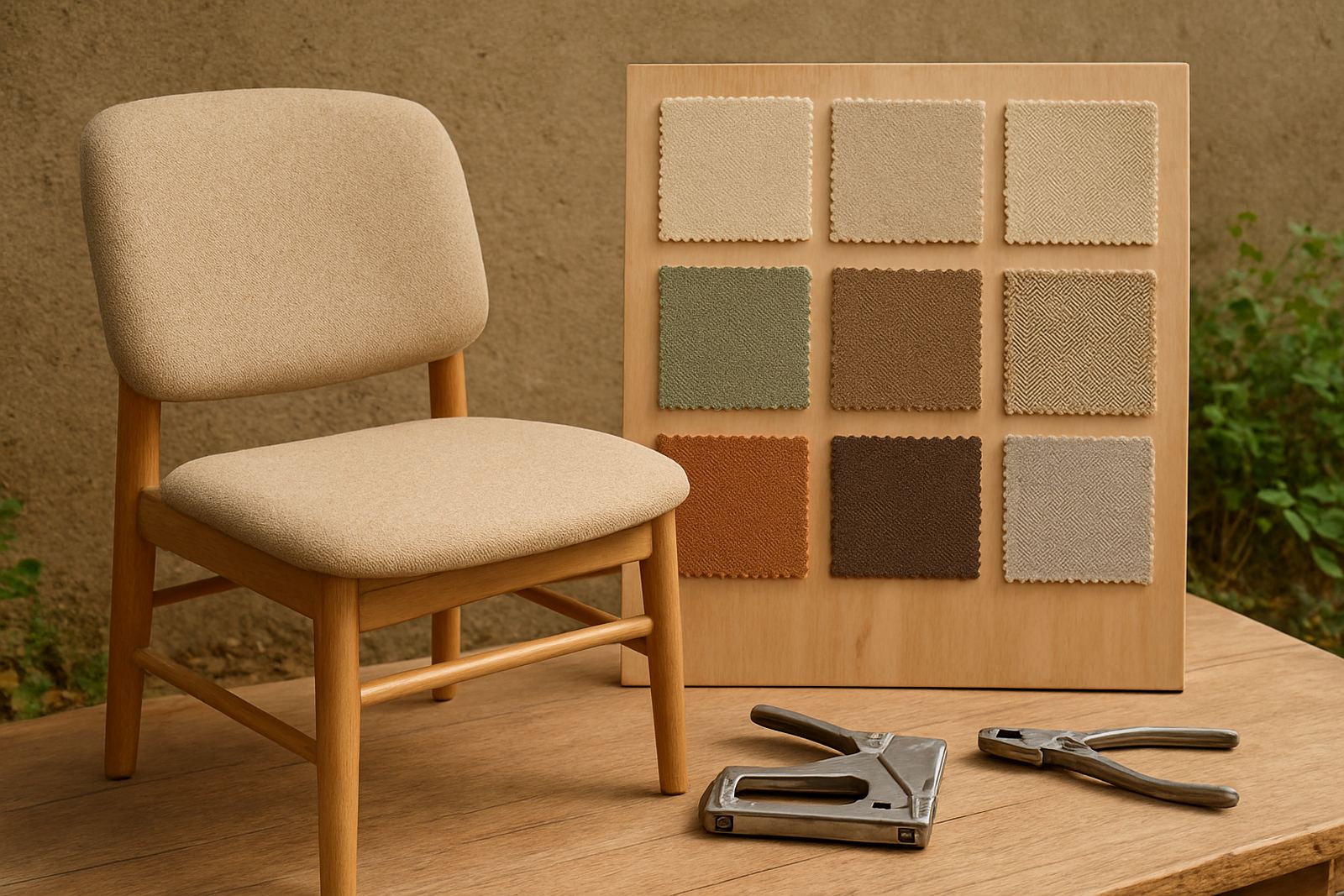
Different fabrics behave differently on press, and that affects turnaround. Some materials take longer to prepare because they need testing for ink laydown, drying time or finishing. Upholstery fabric, curtain fabric and lightweight fashion fabric are not handled the same way, even if the printed design is identical.
Where fabric sourcing is needed, add extra time. If you already have the base cloth, production can usually move quicker. If the team must source a suitable cloth first, availability from suppliers, weave type and width all play a part. This is especially true for larger runs or jobs with a very specific feel, such as soft furnishings in humid coastal homes or hard-wearing fabric for business use.
- Known fabric in stock usually moves faster
- Sourced fabric may need ordering time
- Heavier fabrics can take longer to dry and finish
- Special widths or textures may need testing first
Small batch or bulk run, each has its own pace
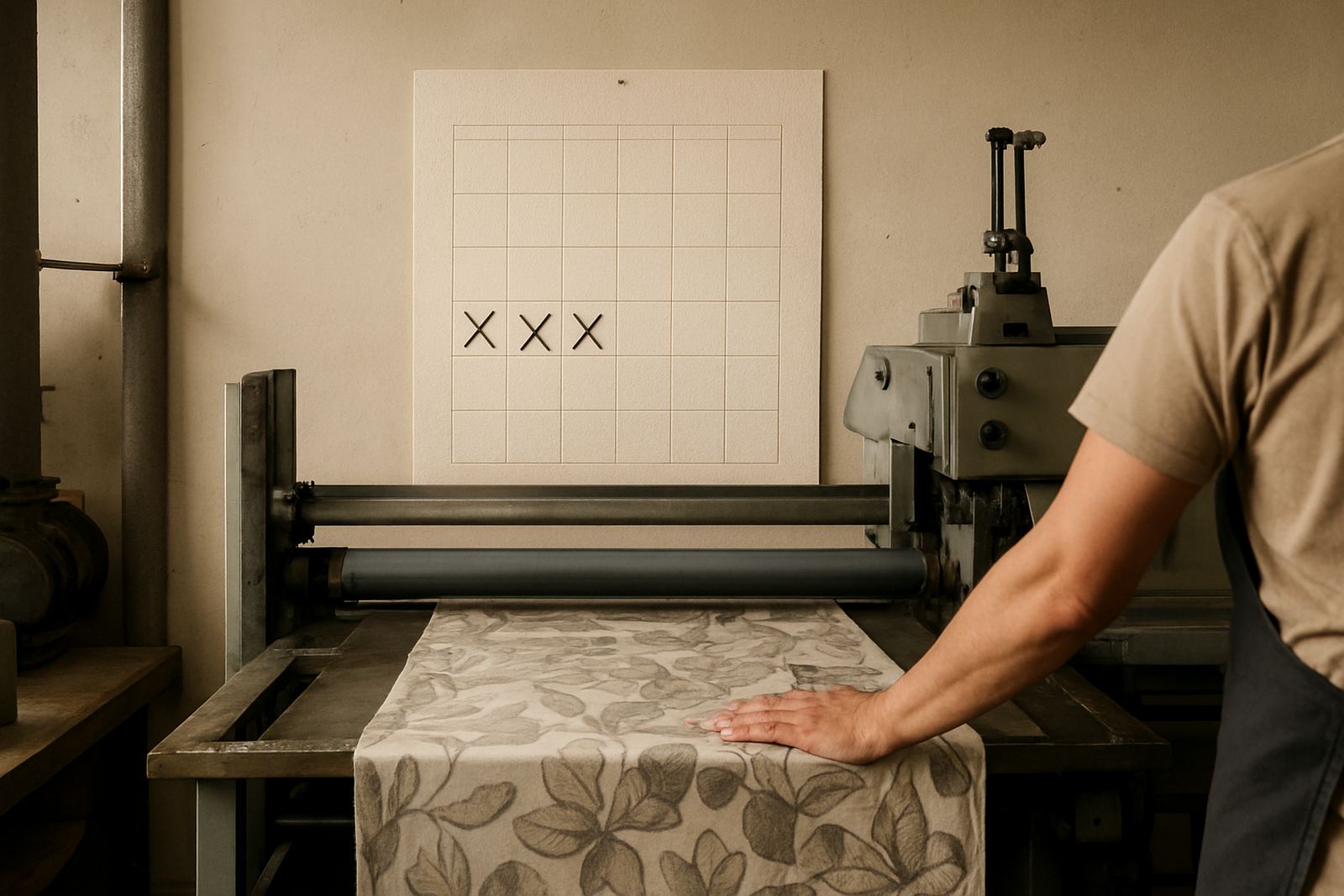
Small batch printing is often quicker to approve and schedule, but it can still wait behind larger production slots. Bulk print runs need more machine time and more checking, so they are planned carefully to keep colour and registration consistent from metre one to the last metre.
If you are ordering for retail, events, uniforms or décor projects, let us know the quantity early. A 20 metre run, a 100 metre run and a full business order do not sit in the same queue. The earlier the volume is known, the easier it is to give you a realistic delivery window.
- Tell us the exact metreage or item count
- Confirm if the order is one-off or repeat work
- Ask for a progress update if your deadline is fixed
Finishing, hemming and packing before courier
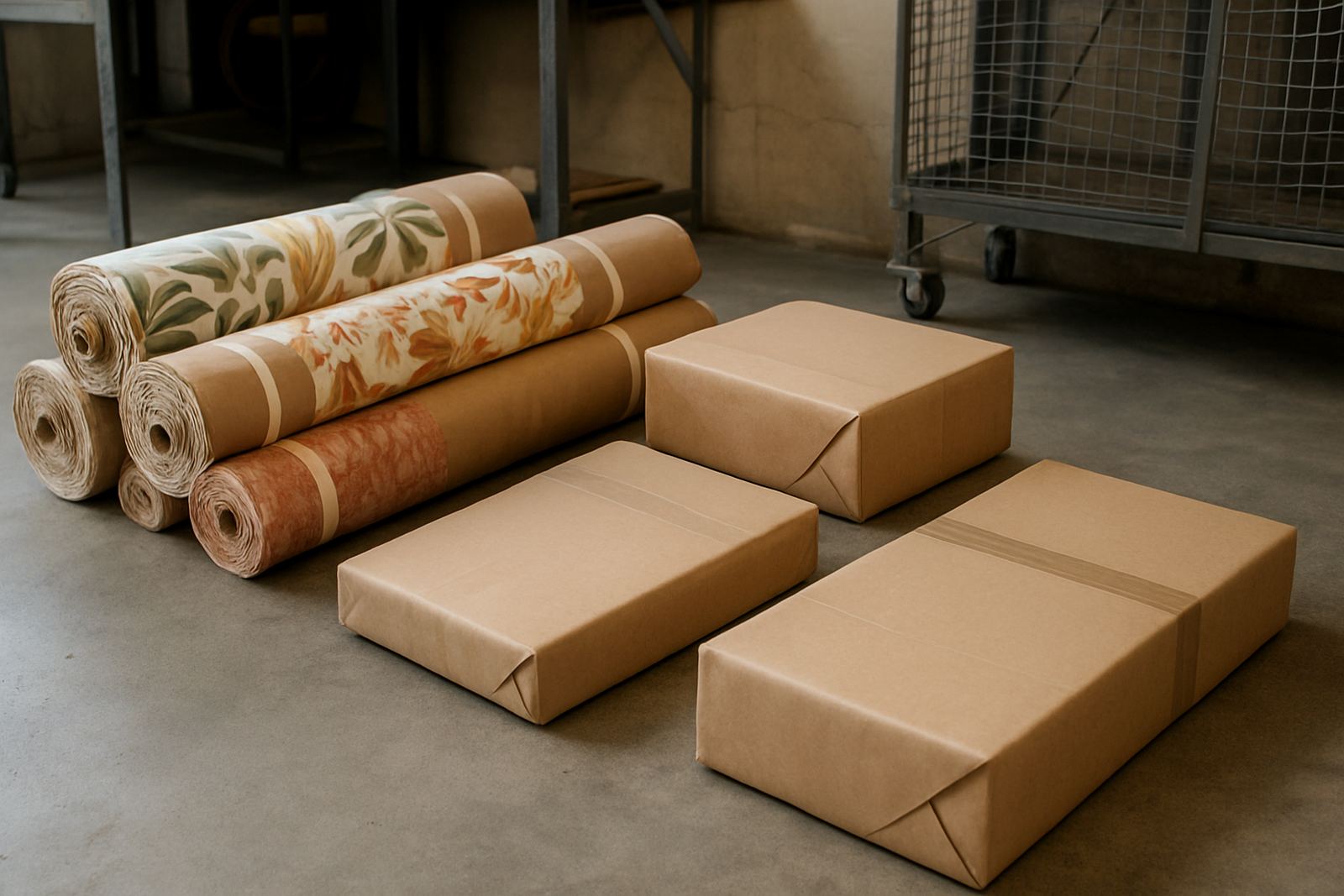
Printing is only part of the job. Curtains may need hemming, flags may need edge finishing, and upholstery work may need careful cutting or prep before dispatch. These extra steps are often where a smooth order becomes a delayed one if the finishing note was missed at the start.
After finishing, the fabric is checked, packed and handed over for courier collection. For clients in Ndabeni, Woodstock, Salt River, Observatory, Montague Gardens or Century City, collection is usually straightforward. For nationwide courier orders, handover time, route capacity and weather can all affect the final delivery date.
- Check whether hemming is required
- Confirm if the fabric must be cut into panels
- Make sure the delivery address is complete
- Include a daytime contact number for the courier
A simple checklist to keep your order moving
If you want the shortest possible turnaround, the best approach is to prepare your order properly before approval. That means sending the right files, confirming the fabric, and answering any questions quickly. Even a one day delay on approval can shift the whole schedule, especially during busy periods or before long weekends.
For time-sensitive work, tell us your deadline upfront. A clear date helps the team plan print slots, finishing and courier handover in the right order. If you are ordering for a launch, market, install or client delivery, it is better to mention that from the start than to try and rush at the end.
- Approved artwork
- Confirmed fabric type and quantity
- Colour reference or sample, if needed
- Finishing instructions
- Courier address and contact details
- Required delivery date
When to allow extra buffer time
Some orders need more breathing room than others. Add buffer time if your design is changing, your fabric has to be sourced, your order needs a strike-off, or your delivery is going to a regional area. Coastal humidity, load-shedding interruptions and courier cut-off times can also affect the schedule, so it helps to plan with a margin.
A good rule is to work backwards from your delivery date. Give yourself enough time for approval, production, finishing and courier transit. That way you are not making last-minute decisions while the job is already in motion.