Start With How The Furniture Will Be Used
The first question is simple: who will use the item, and how often? A lounge suite in a family home needs a tougher fabric than scatter cushions in a guest room. A dining chair in a busy restaurant faces different wear again, with food spills, constant movement and repeated cleaning. In Cape Town homes, coastal humidity and open windows can also affect how fabric ages, so the cloth must suit the space as well as the style.
For upholstery, think in terms of pressure, rubbing and contact. A decorative print can look good on day one, but if the base cloth is too light it will stretch, pill or fade early. For home seating, ask for a fabric that can handle regular sitting, turning and the odd accidental spill. For commercial use, the conversation should include flame requirements, cleaning routines and how much stock may be needed for future repairs.
- Low use: occasional chairs, bedroom benches, footstools
- Medium use: family lounge chairs, headboards, cushions
- High use: sofas, reception seating, hospitality furniture
- Special use: outdoor sheltered areas, child care spaces, restaurants
Choose A Base Cloth That Can Take Upholstery Work
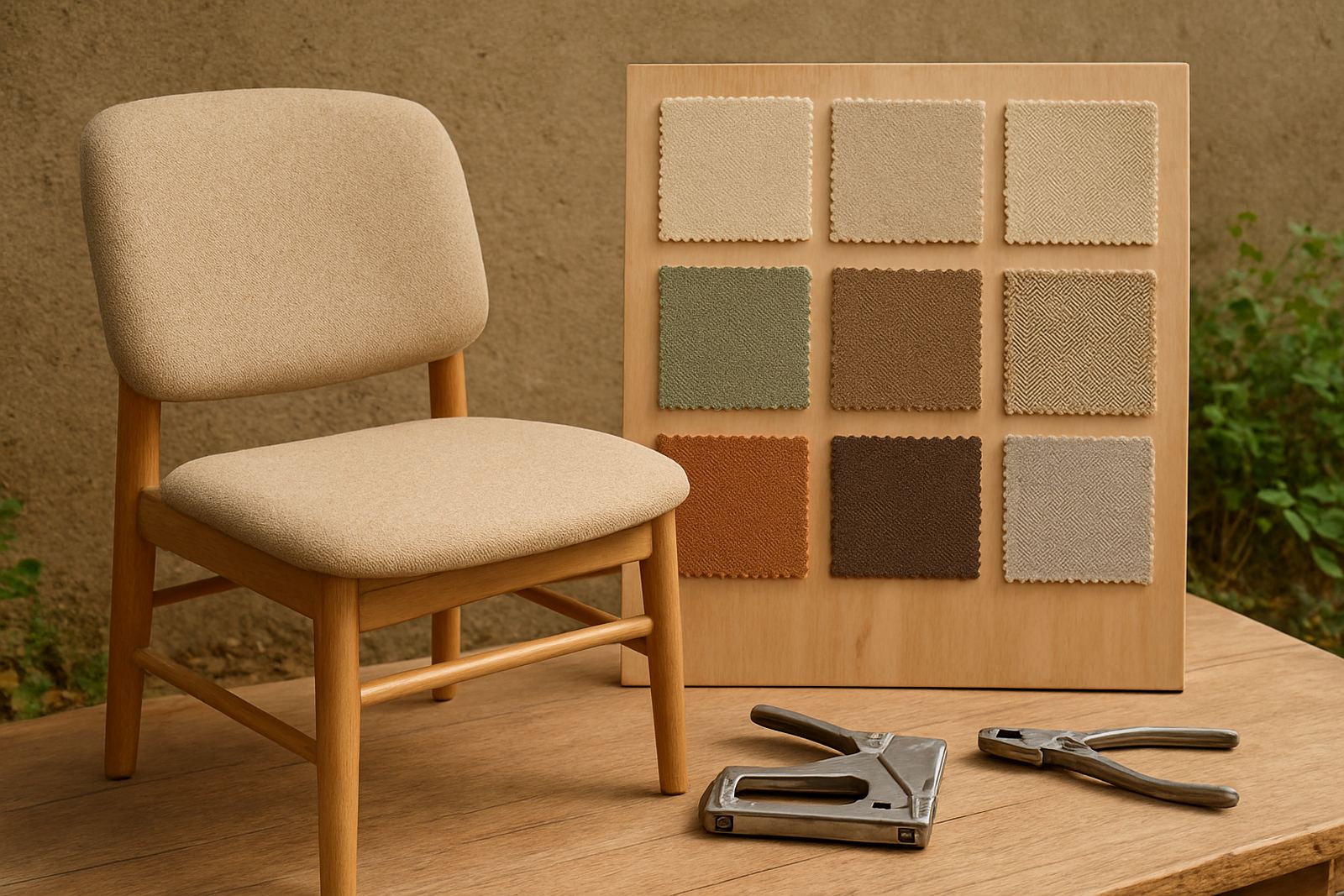
Printed design matters, but the base cloth carries the real load. For seats and padded furniture, the fabric should have enough body to hold stitching, tacks and staple work without tearing at the seams. It must also recover well after being pulled over foam or curved frames. If the cloth feels flimsy in hand, it is usually not the right choice for upholstery.
Common signs of a better upholstery base include tighter weave, stronger yarn structure and a smooth surface that still has grip for handling. Many customers ask for fabric by the metre for re-covering, and that is where proper checking helps. You need to know the width, the pattern repeat and whether the design will line up across panels. For deep seats and large armchairs, extra allowance may be needed if the repeat is large.
- Check the fabric weight and weave density
- Confirm the width before measuring your job
- Ask how the print behaves on folds and corners
- Allow extra metres for joins, pattern matching and mistakes
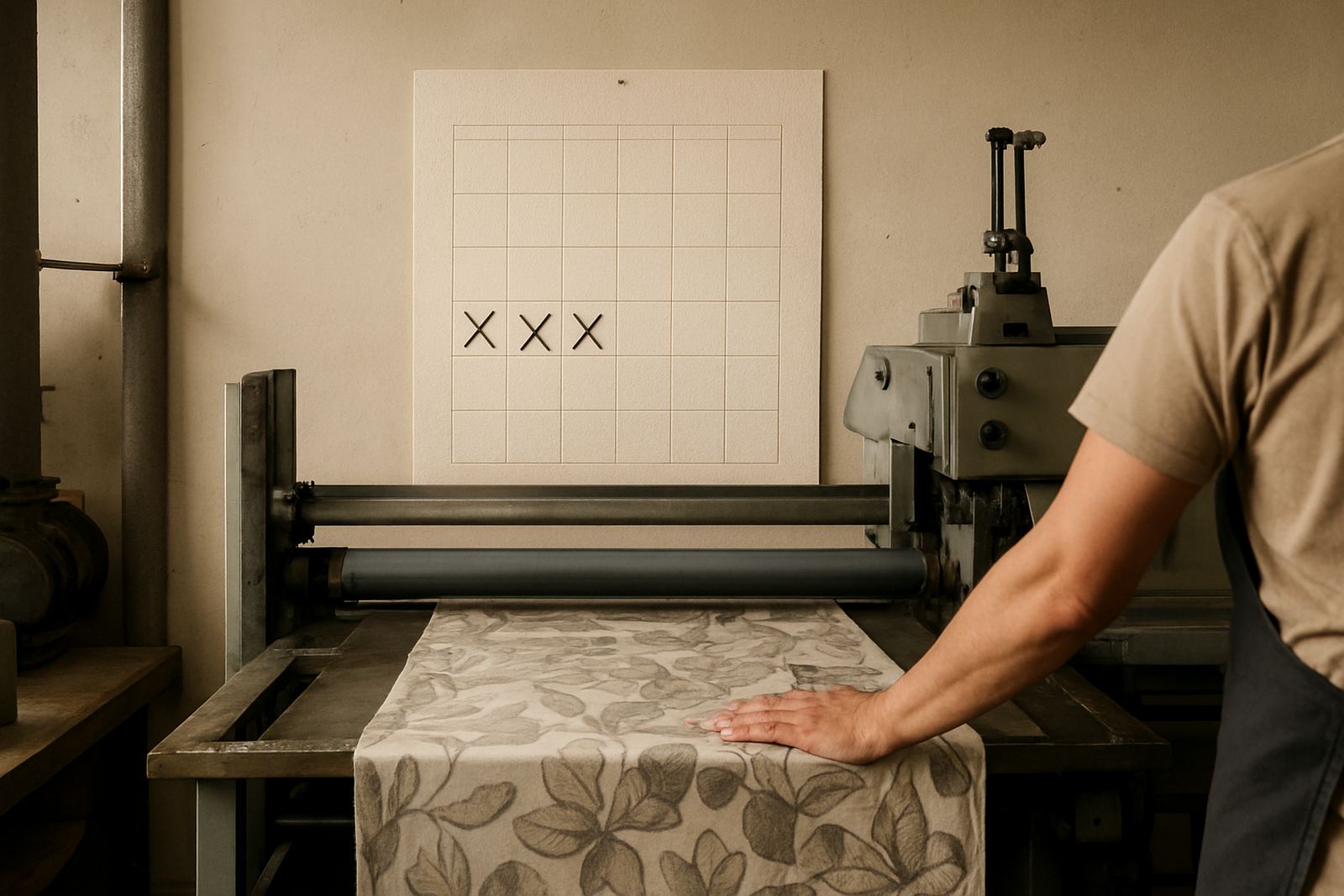
- Request a strike-off if the job is costly or the colour must be exact
Match The Print To The Room And The Shape
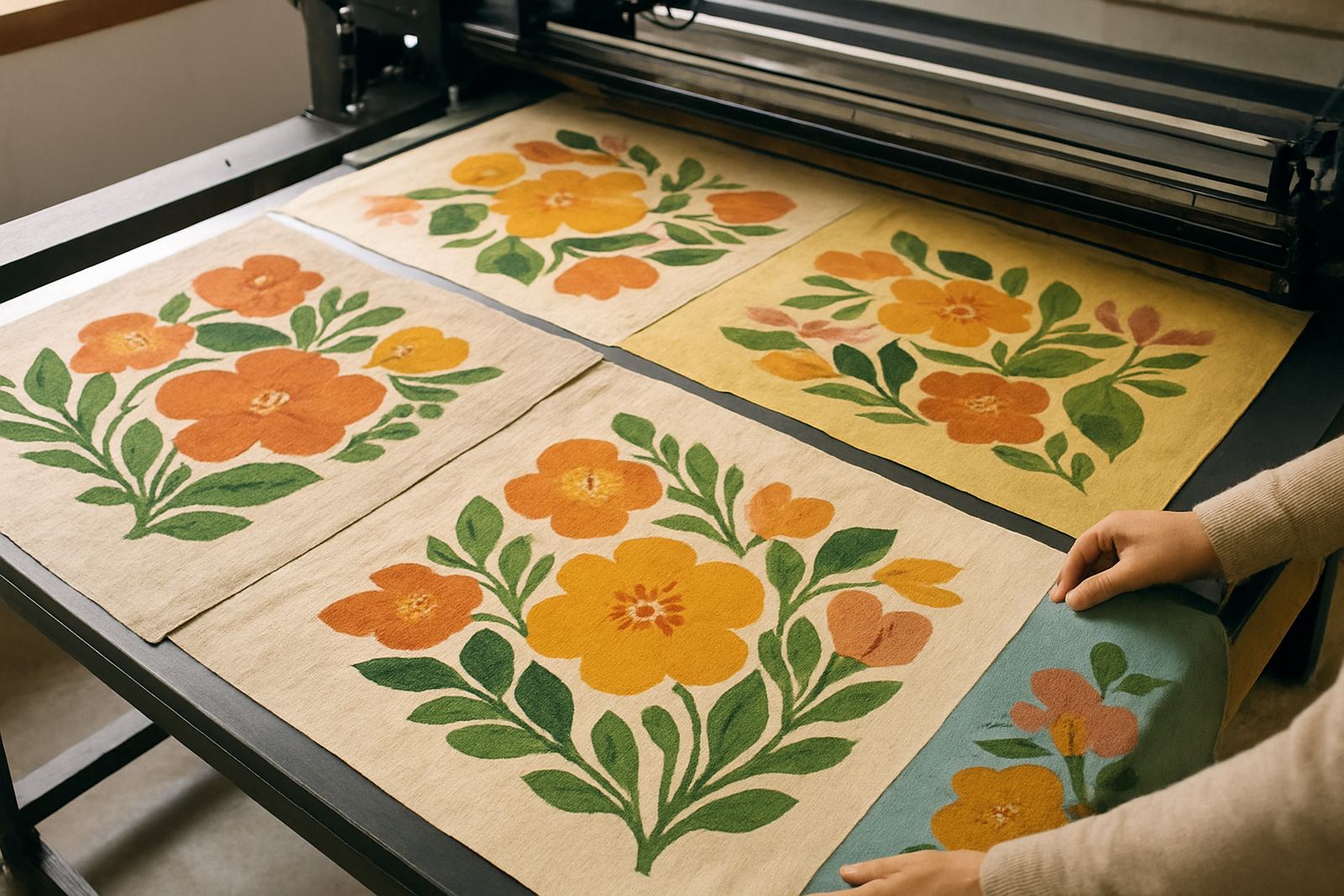
A print that works on curtains may not work on a curved slipper chair. Large motifs can disappear around corners, while very small repeats may look busy on a big sofa. The shape of the furniture matters just as much as the colour. Straight lines can distort on rounded arms and deep buttons, so it helps to plan the layout before cutting starts.
In a room with strong sunlight, brighter colours may hold their impact better if the print is not too delicate. In shaded rooms or apartments near the sea, lighter tones can keep the space from feeling heavy. If the furniture sits next to patterned cushions, rugs or wall art, choose a print with enough breathing room so the room does not feel crowded. Sometimes the safest choice is a print with good contrast and one main colour family.
- Large repeats suit simple chair shapes and broad sofa panels
- Smaller repeats work better on scatter cushions and narrow arms
- Vertical patterns can lengthen low chairs
- Busy prints are easier to live with when the base colour is calm
Ask For The Right Finish And Colour Check
When fabric is going onto seating, the finish matters just as much as the print. A well-prepared cloth should cut cleanly, sew neatly and sit properly on foam. If the fabric is destined for high traffic use, ask how the surface handles rubbing and whether the ink or finish is likely to mark with regular cleaning. For homes with children or pets, easy care is often a deciding factor.
Colour matching is worth doing carefully, especially if the furniture must sit with existing curtains, wall colour or flooring. A small sample can look different in the workshop than in a bright northern room or a dim flat in Woodstock. That is why strike-off sampling is useful before a full run. It also helps when clients want the same print across upholstery, cushions and fabric by the metre for a coordinated result.
- Request a sample before approving a full order
- Check colour in daylight and under evening light
- Confirm whether the finish suits light wiping or deeper cleaning
- Keep a labelled offcut for future repairs and extra covers
Measure Properly Before You Order
Upholstery jobs go wrong when the metreage is guessed. Measure every panel, cushion and arm section carefully, then add extra for seams, tucking and pattern matching. If you are re-covering older furniture, it is wise to check the original shape first because padding can shift over time. A seat that looks square from a distance may need more cloth than expected once the foam and lining are removed.
For bulk jobs, a simple cutting plan saves money and time. Group the parts by size, note the direction of the print and count the number of pieces per item. This is especially useful for restaurants, guesthouses and offices in Cape Town, where multiple chairs may need to match exactly. If you are unsure, it is better to order a little more than to run short halfway through. A shortage can hold up the upholsterer and delay installation.
- Measure width, height and depth of each upholstered section
- Add allowance for seams, hems and stapled returns
- Include extra for matching pattern direction
- Keep a written cutting list for every chair or sofa
Plan For Care, Cleaning And Repair
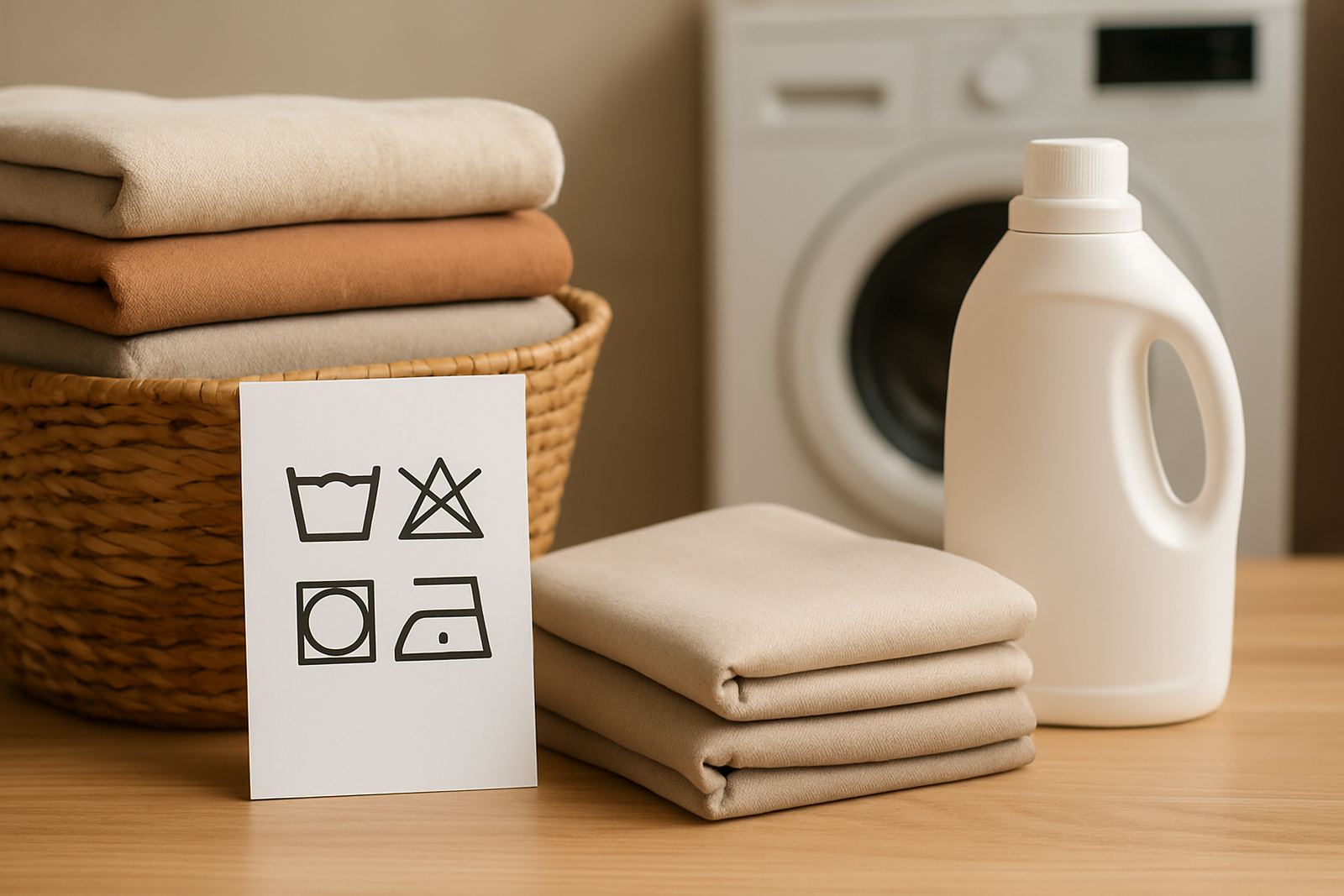
The best upholstery fabric is the one that can be lived with. Before you order, think about how the furniture will be cleaned and who will do the cleaning. Some pieces need only light vacuuming and spot care, while others face regular wiping from daily use. In humid coastal areas, it also helps if the fabric dries well after cleaning and does not hold musty smells.
Good maintenance starts with simple habits. Vacuum around seams, turn cushions where possible and deal with spills early. If a cover is removable, label it so it can go back in the right place after washing or repair. Keep spare fabric from the same batch for future patching or replacement cushions. That small bit of planning can save a lot later, especially when a chair arm gets damaged or a pet causes a snag.
- Ask for care instructions before the order is placed
- Test a cleaning method on a hidden section first
- Store extra fabric in a dry place away from direct sun
- Keep the batch reference for future repeat orders
A Simple Buying Checklist For Upholstery Projects
If you want a straightforward way to decide, work through the list below before confirming your order. It keeps the focus on use, not just appearance, and it helps avoid costly remakes. For small home jobs this can be done quickly. For bigger commercial work, it is worth going through item by item with the person doing the cutting and fitting.
- Is the fabric suitable for seating and padded use?
- Will the print suit the shape of the furniture?
- Do you have enough metres with room for matching?
- Has a sample been checked in the actual room?
- Does the care method suit the household or business?
- Have you kept an offcut for repairs later?
At Fabric Printers Studio in Ndabeni, upholstery orders are handled with the practical details in mind, from file checking and colour matching to bulk print runs, hemming and courier across South Africa. Whether the job is one statement chair or a full seating set, the right planning makes the fabric work harder and last longer.