Start with the curtain rod or rail, not the window
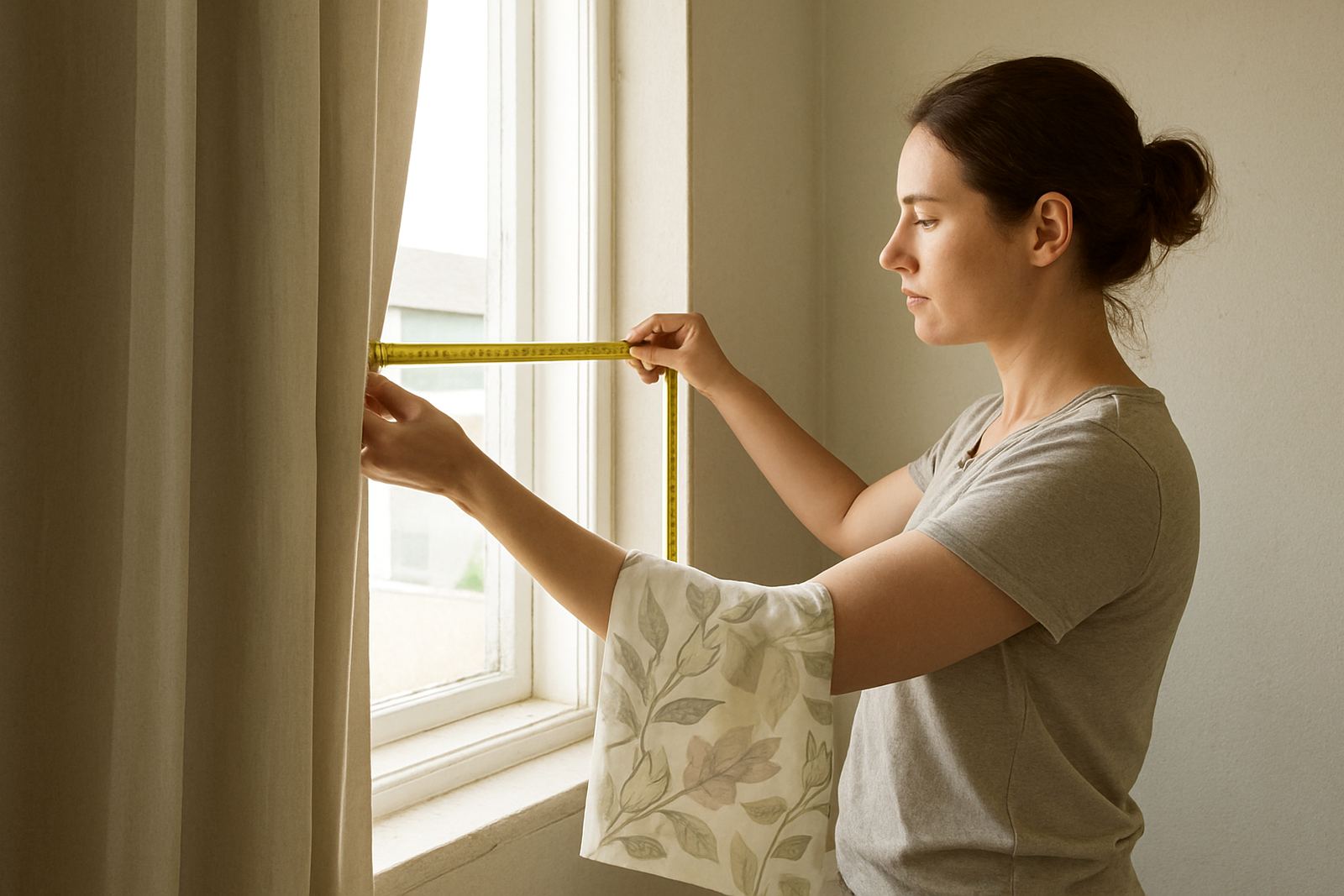
For custom curtains, the finished size is based on where the curtain will hang, not only on the glass opening. Measure the full width of the rod or rail from end to end, including the section where the curtain will stack back when open. If you are using a track, measure the track face. If you are using a pole, measure the usable pole length between finials or stop ends.
In Cape Town homes and flats, rods often sit a little higher than the window frame, especially where ceilings are low or there is a cornice. That is fine, just measure the actual hanging point. If the curtain will go across a sliding door, patio opening or bay window, take the total width in metres and note any brackets, joins or bends.
- Measure from left end to right end of the hanging rail.
- Note whether the curtain will hang inside the recess or outside it.
- Record the space available for stack-back on both sides.
- Check if the pole has ring space or if the heading will hang under the track.
Measure the drop in three spots so you avoid uneven hems
Most curtain errors happen at the drop measurement. Floors are often not level, especially in older homes and buildings in Woodstock, Salt River and Observatory. Measure from the top of the curtain hanging point down to where you want the hem to finish. Do this in three places: left, middle and right. Use the shortest measurement if the floor slopes, unless you want the curtain to touch the floor more heavily.
For a neat finish, decide if you want the curtain to kiss the floor, float 10 to 20 mm above it, or puddle slightly. For kitchens or utility spaces, a shorter drop is often easier to keep clean. For living rooms and bedrooms, a full-length curtain usually looks best, especially when the fabric is printed and the pattern needs to read clearly from a distance.
- Left, middle and right drop measurements are all needed.
- Note if the floor is level or sloped.
- Tell us whether the curtain should touch, clear or puddle on the floor.
- Check if skirting boards, tiles or deep window sills affect the finish.
Work out fullness so the curtain hangs properly
Custom curtains need fullness, otherwise they can look flat and do not gather well. A common rule is to allow at least 1.5 times the track width for a neat gathered look, and up to 2 times if you want a richer finish. Printed fabric often shows its design better with enough fullness, because the folds sit more naturally and the pattern still reads well when closed.
If you are ordering a straight panel for a screen, room divider or simple drop, the width can be closer to the actual rail size. For standard curtains, the total curtain width should be wider than the opening, not the same size. If your window is 2 metres wide, the final curtain width may be 3 to 4 metres depending on the heading style and how full you want it. We can help check the measurements before printing, which avoids waste and keeps the seam placement practical.
- Standard gathered curtains usually need 1.5 to 2 times fullness.
- Simple flat panels need less fullness.
- Large windows and sliding doors often need more than one panel.
- Pattern repeats should be allowed for when calculating width.
Choose the heading style before you finalise the size
The heading changes how much fabric is used at the top and how the curtain hangs. Eyelet, tab top, pencil pleat and wave heading all sit differently, so the measurements are not exactly the same. If you already have rings, clips or hooks, make a note of them because they affect the finished drop and the top allowance.
For custom printed curtains, it helps to decide on the heading first, then measure the drop and width around that choice. A pencil pleat needs extra fabric for gathering. Eyelets usually hang a little lower from the pole. Wave headings need accurate track sizing and regular spacing. If you are not sure, send a clear photo of the current setup and one of our team can talk through the best option for your space.
- State whether you want eyelet, pencil pleat, tab top or wave heading.
- Tell us if the curtains will use hooks, rings or clips.
- Include photos of the rail or pole where possible.
- Measure from the correct hanging point for the heading you choose.
Check the fabric use, lining and finish details
Different rooms need different curtain builds. In coastal areas like Cape Town, humidity and salt air can affect some finishes, so it is worth choosing the right fabric weight and finish for the space. In bright rooms, a lining can help with light control and print protection. In bedrooms, a blockout lining gives more privacy and better shade early in the morning.
If the curtains will be opened and closed often, factor in hem depth and side hems. If you need tiebacks, valances, pelmets or matching cushions, measure the main curtain first and then list the extra items separately. For custom printed fabric, the repeat pattern should also be checked before cutting so important design elements are not lost in the seams. This is where a sample or strike-off can save time and money, especially for bulk orders.
- Choose whether you need unlined, lined or blockout lined curtains.
- State if the room gets full sun, afternoon heat or strong street light.
- Allow for hems and side finishes.
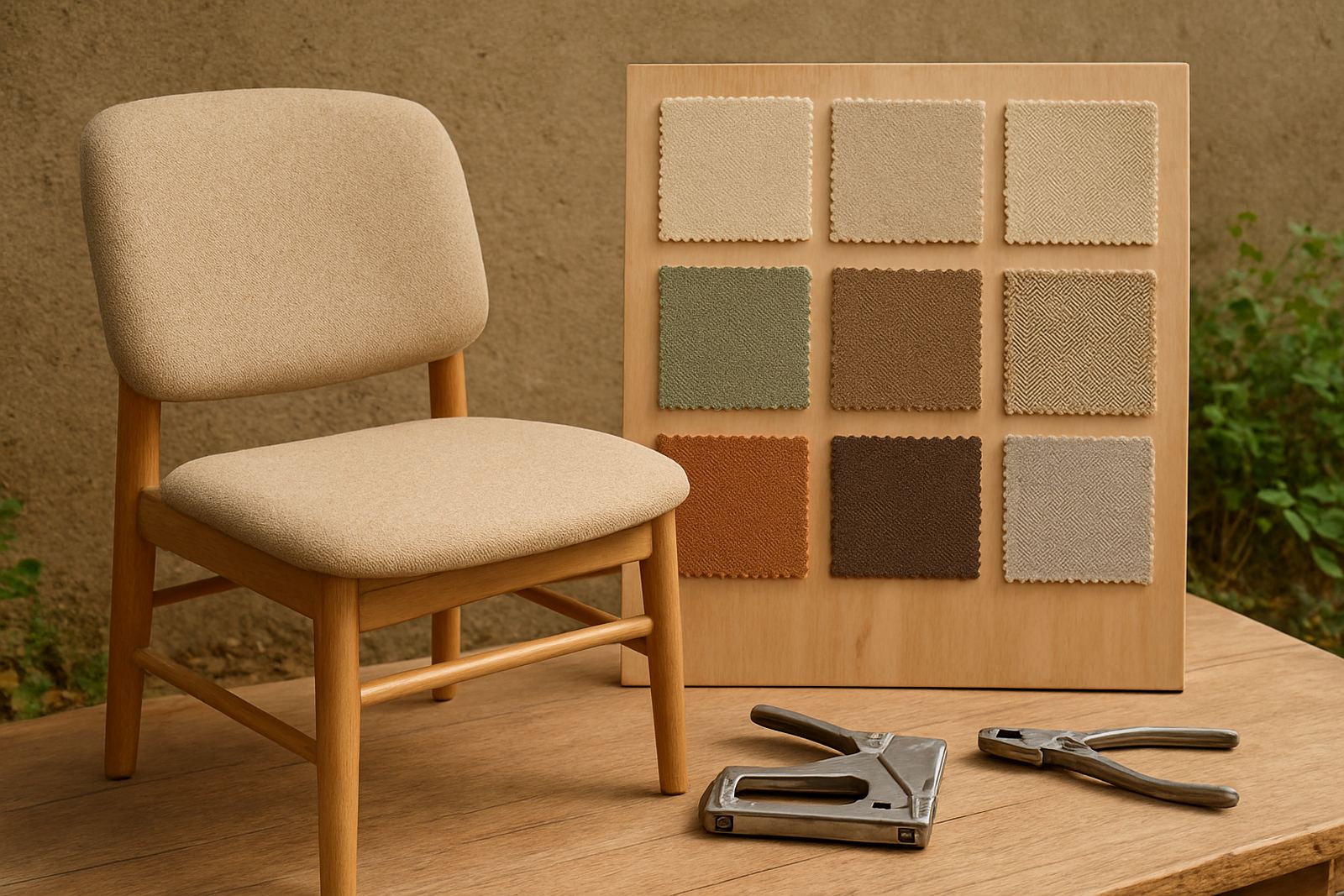
- Ask for a sample if colour matching or repeat placement is important.
Use this quick measuring checklist before you send your order
Before you place your curtain order, go through each measurement again. A small mistake at this stage can change the whole fit. Write everything down in millimetres or centimetres, then convert to metres if that is easier for you. If the curtains are for a home in Century City, a shopfront in Montague Gardens or a client project being couriered nationwide, clear sizes make production much easier.
It also helps to note the room name, window type and any special conditions such as awkward corners, uneven floors or fixed handles. If you are measuring several rooms, label each set clearly. That way, the right print, size and finish go to the right place without confusion.
- Width of rail or track end to end.
- Drop on left, middle and right.
- Heading style and lining choice.
- Room name and delivery address.
- Any photos of the window, pole or track.
If you want help, send through your measurements and a brief note about the space. We can check the print run, fabric use and finishing before production starts, which helps avoid rework and delays.