Start with where the flag will be used
Before you choose a cloth, be clear on where the flag will hang and how often it will move. A flag for a retail opening in Century City does not need the same finish as a sports banner outside in Milnerton or a branded display at a market in Woodstock. Wind exposure, rain, direct sun and whether the flag will be handled daily all affect the fabric choice.
For indoor use, a lighter fabric is often enough because the flag mainly needs to hang neatly and carry colour well. For outdoor use, a stronger weave and proper edge finishing matter more, especially in coastal areas where humidity and salt air can shorten the life of poorly finished cloth. If the flag will be reused for events, ask for a finish that can cope with repeated packing, unfolding and transport.
- Indoor displays: lighter fabric, sharp print and neat hem finishes
- Outdoor flags: stronger cloth, reinforced edges and secure fastening points
- Short-term promotions: lower-weight options may be suitable
- Long-term use: ask about colour fastness and wear at stress points
Choose a fabric weight that matches the job
Fabric weight affects drape, movement and durability. A light fabric flies well in the wind and shows motion, while a heavier cloth may hang flatter and feel more substantial. Neither is automatically better, it depends on the purpose. For example, a promotional flag for a store launch may benefit from movement that catches the eye, while an internal brand banner may need a cleaner hang.
Ask for a sample or strike-off if you are not sure. This helps you see how the print sits on the cloth and whether the fabric has enough body for your planned use. If you are ordering for multiple sites such as Salt River, Observatory or Ndabeni, keep the same specification across all units so the flags look consistent.
- Light fabric: good movement, easy handling, best for display flags
- Medium fabric: balanced option for many branded applications
- Heavier fabric: better body and a more structured feel
- Always confirm the intended pole, frame or hanging method before ordering
Some clients also need double sided visibility, while others only need print on one side. That choice affects how the fabric is selected and how much ink is required.
Get the artwork ready for clean printing
Good print results begin with tidy files. Flags often include logos, text, lines and blocks of colour, so artwork should be checked carefully before printing starts. Small errors can become obvious once the cloth is cut and sewn. It is worth confirming logo proportions, spelling, spacing and colour references before production.
If the flag has a repeated pattern or multiple panels, make sure the layout allows for seams and hems. Text should not sit too close to the edge because it can disappear into the fold or stitching. This is especially important for long flags used by businesses, schools or event teams who need the message to stay readable from a distance.
- Supply artwork in a suitable file format with linked images included
- Check spellings, contact numbers and web addresses carefully
- Allow space for hems, sleeves and pole pockets
- Confirm whether the flag reads correctly on one side or both sides
Match the finish to the pole, frame or hanging point
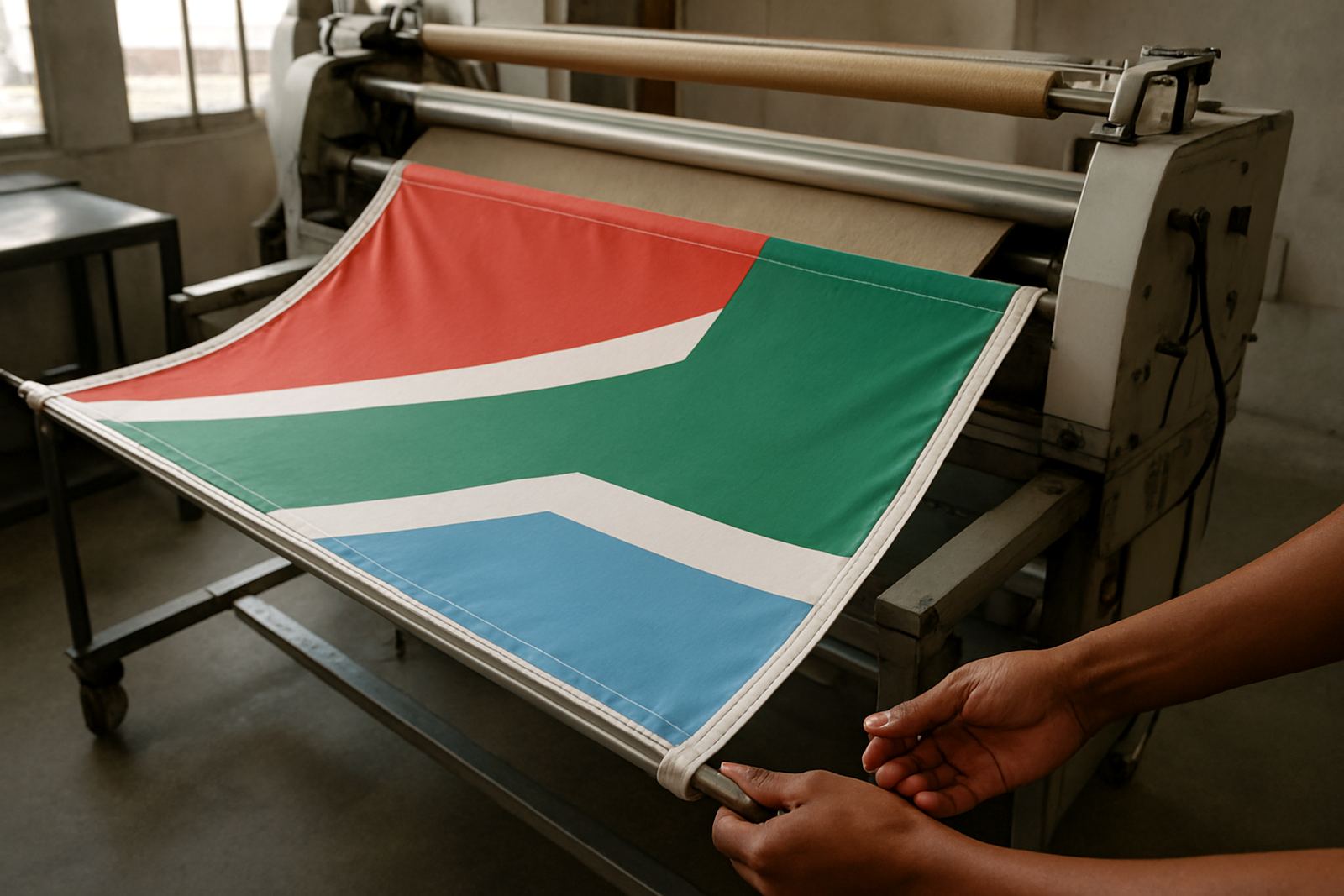
The finish is what makes the flag usable. A flag for a banner pole needs a different edge treatment from one that hangs from a wall or a stage truss. Common finish options include hems, reinforced corners, sleeves and eyelets depending on how the flag will be mounted.
For outdoor flags, reinforced stitching at the stress points helps prevent tearing when the wind picks up. If the flag will be used on a pole, the sleeve has to be the right width and securely sewn. For indoor hanging, a lighter finish may work but the top edge still needs to support the weight evenly. In our experience small finishing details save trouble later, especially when flags are moved between branches or event sites.
- Pole sleeve: for mounted display flags
- Hems: for a clean edge and better durability
- Eyelets: for fastening to frames or cable ties
- Reinforced corners: useful where the fabric takes strain
If the flag will be packed and unpacked often, ask for finishing that resists fraying and keeps the edges neat after several uses.
Plan for South African weather and site conditions
South African conditions vary a lot from site to site. A flag used in coastal Cape Town faces moisture and wind, while inland locations may deal more with dust and intense sun. For outdoor branding, ask how the fabric will handle fading, movement and cleaning. If the flag must stay bright for a long period, it is worth discussing the expected lifespan upfront so there are no surprises.
Load-shedding can also affect timelines if your event depends on lighting, printing schedules or dispatch timing. It is smart to place orders early, especially for bulk runs or seasonal campaigns. Couriered flags can go nationwide, but leave time for final checks and packing before dispatch. That matters for clients in Durban, Gqeberha, Pretoria and smaller towns too.
- Coastal areas: ask about moisture and wind resistance
- Sunny sites: confirm colour performance over time
- Event work: build in extra lead time for checks and courier collection
- Repeated use: choose finishes that hold up through packing and handling
Use a simple checklist before you place the order
A clear checklist makes flag ordering much easier. It helps your printer confirm the right cloth, finishing and quantity without back and forth. Whether you are ordering one sample for a client meeting or a larger batch for a retail rollout, the same basics apply.
Keep your notes together and include the practical details, not just the design. That means measurements, mounting method and delivery address, plus any special instructions for a branch in Montague Gardens, a studio in Woodstock or a courier drop anywhere else in South Africa. A few extra minutes here can prevent reprints and delays.
- Final size in metres or millimetres
- Use: indoor, outdoor or event display
- Quantity needed and whether sizes differ
- Mounting method: pole, sleeve, eyelets or hanging line
- Artwork supplied and spelling checked
- Preferred finish and any reinforcement needed
- Delivery details and deadline
When all of these points are set, production is faster and the result is more predictable.
Ask for sampling when the job needs certainty
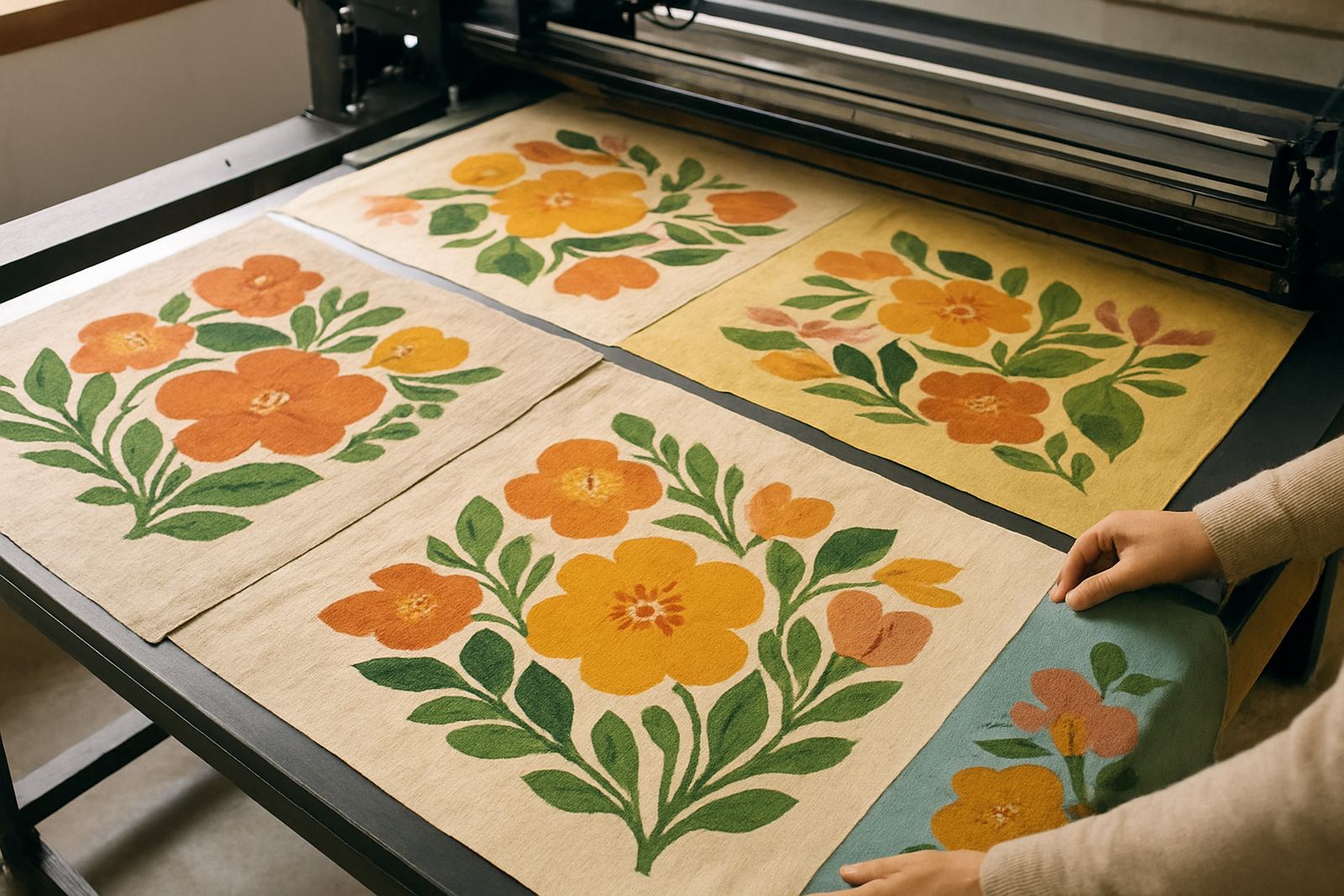
Sampling is worth it when colour accuracy or fabric feel matters. A strike-off lets you check how the print reads on the chosen cloth before a larger run begins. That can be especially useful for brand flags, seasonal campaigns or repeat orders where consistency matters across multiple sites.
If you are working with a new design, a sample can also show whether text is too small, whether a logo needs more space and how the fabric behaves after finishing. For businesses ordering from Ndabeni, Salt River or Observatory, it is often the fastest way to avoid mistakes before couriering a full batch out.
Once the sample is approved, bulk printing can proceed with far less risk. It is a practical step and often saves time, fabric and money in the end.