Start with the finished size, not the page size
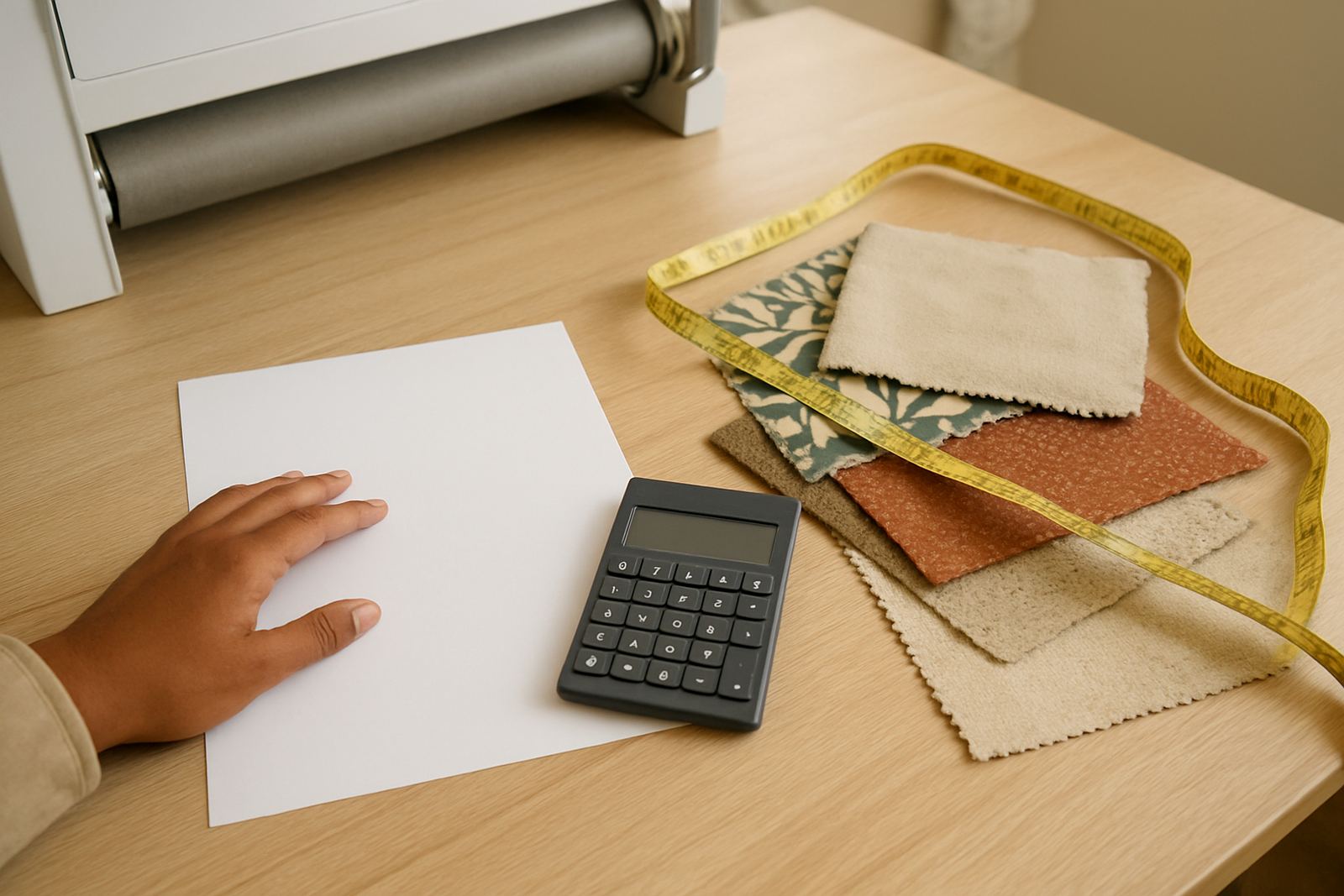
Before you open your artwork file, decide the actual size the print must cover. For curtains, measure the finished drop and width after hems and headings are allowed for. For flags, upholstery panels or fabric by the metre, work from the cut size you need on the job sheet, not from an A4 or A3 page.
If the artwork is too small, the print can look soft or pixelated. If it is too large, repeat marks can shift and colour blocks may not match cleanly across the full width. Always confirm the final measurements first, then build the file to that size.
- Measure in millimetres for accuracy.
- Allow for hems, seams and shrinkage where needed.
- Keep the artwork size linked to the real fabric area.
- Check whether the image must repeat or print as one panel.
Set repeats with the true pattern unit
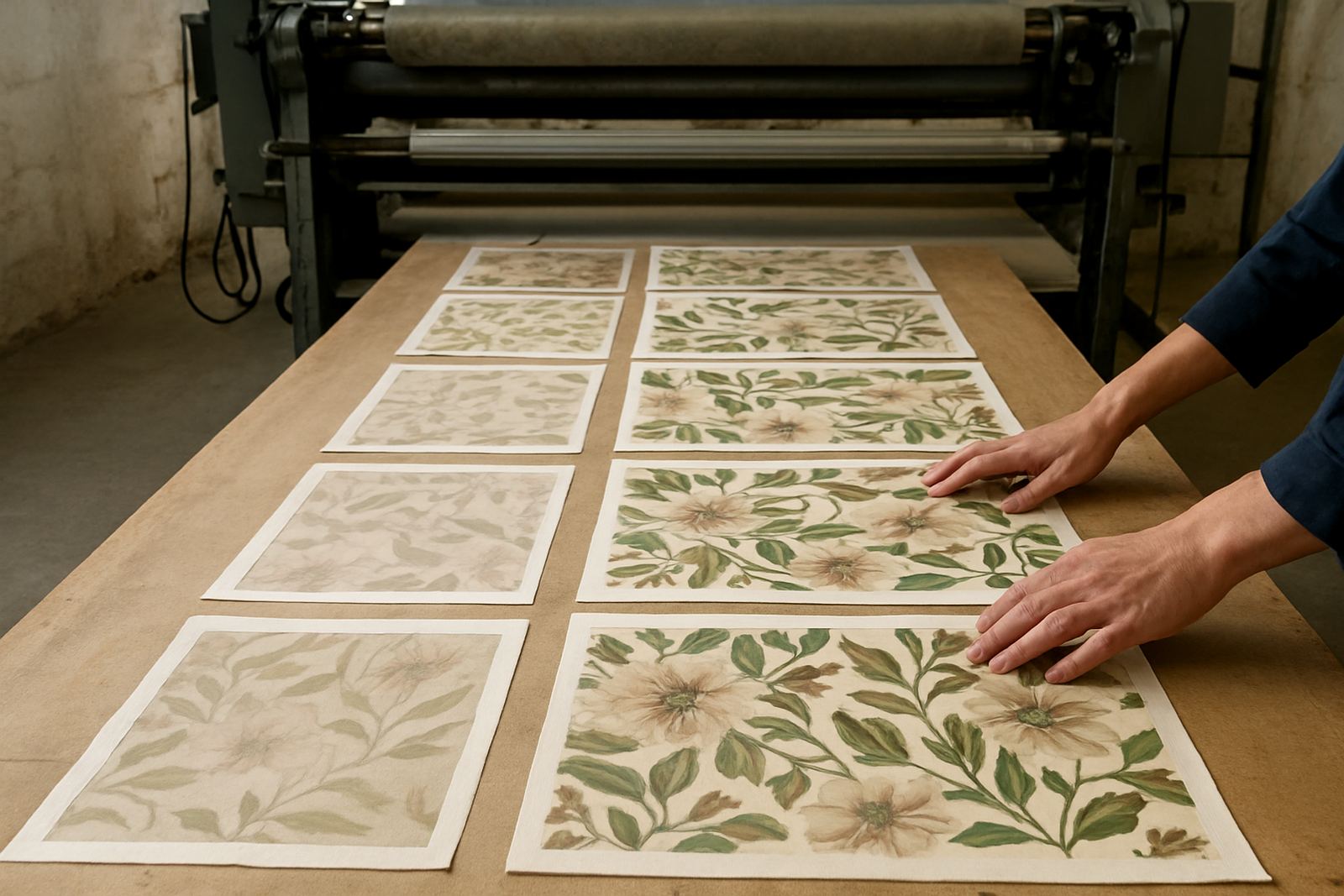
For repeated fabric prints, the repeat must be set to the exact pattern unit. This is the point where the design starts again. If the repeat is off by even a few millimetres, the joins can show on long lengths or across full curtain drops.
When you send a repeat pattern, make sure the tile edges line up neatly. Any flower, stripe, logo or geometric line that crosses the edge must match on the opposite side. Our print team checks repeats during file checking, but a clean setup saves time and gives better results.
- Use a repeat size that suits the scale of the design.
- Keep key motifs away from the tile edge if possible.
- Make sure the top and bottom, or left and right edges match perfectly.
- Label the repeat size clearly on the file notes.
Work at the right resolution for fabric printing
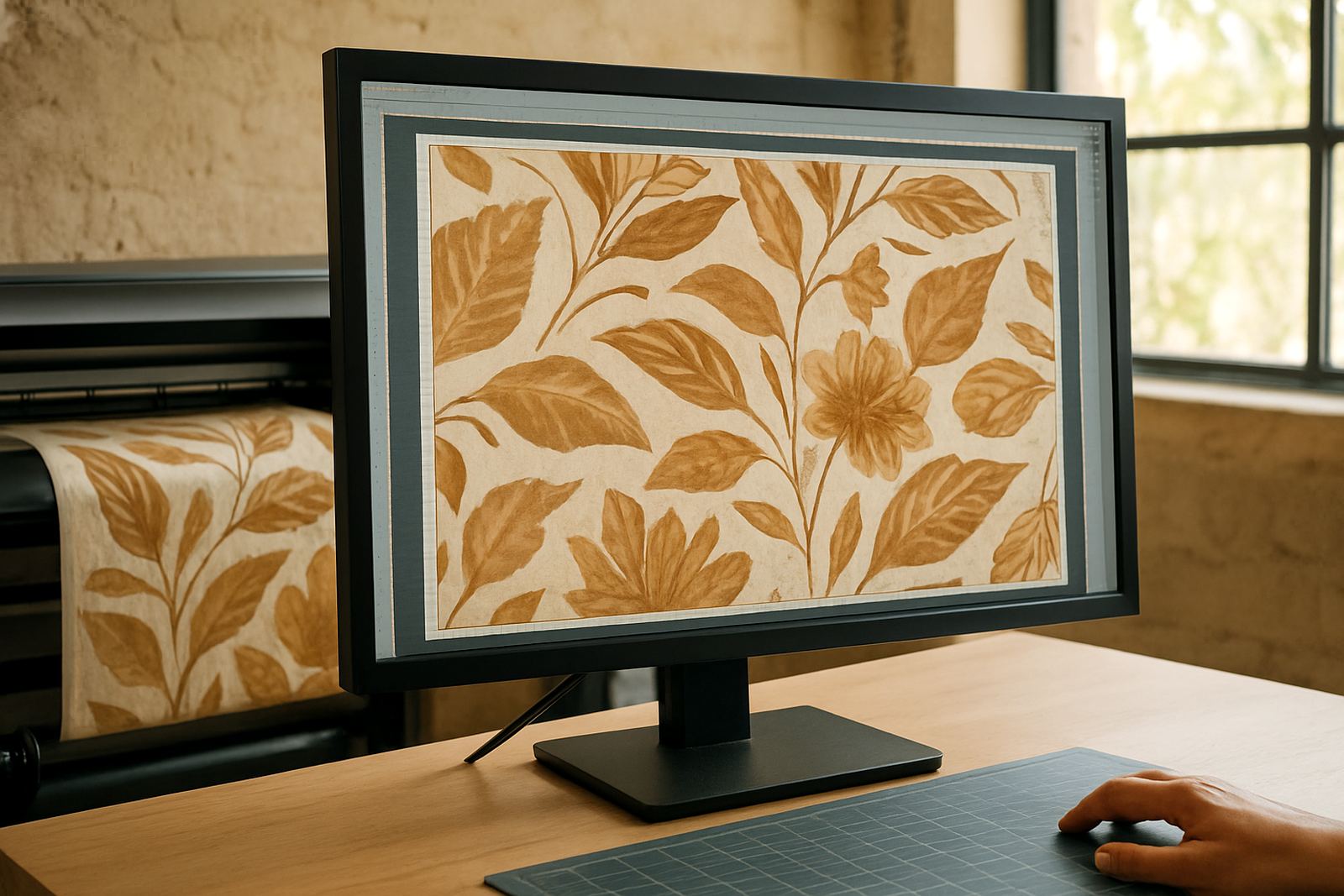
Low resolution files may look fine on screen but print poorly on fabric. As a guide, artwork should be prepared at a size and resolution that holds detail when viewed up close. This matters most for fashion prints, branded fabric and fine text or line work.
If your design includes photos, small lettering or thin borders, enlarge the artwork and check it before sending. For large flags and bold home décor pieces, resolution still matters because fabric texture can soften weak files. If you are not sure, send the original file rather than a compressed version from WhatsApp.
- Use the original artwork file where possible.
- Avoid sending screenshots or images saved many times over.
- Check that small text remains legible at print size.
- Keep line work clean and not too thin.
Allow space for hems, seams and finishing
Artwork is not always printed edge to edge. Curtains need hems, side returns and sometimes header allowances. Upholstery covers may need seam space for stitching and matching. Flags often need pole sleeves or reinforced edges. If these allowances are not built in, important parts of the design can disappear in the final finish.
When preparing your file, keep logos, faces, borders and text clear of the edges. A useful habit is to mark a safe area inside the artwork so the important details stay visible after hemming or sewing. This is especially helpful on jobs with directional prints or panels that must match across a room.
- Leave a safe border inside the cut size.
- Keep important details away from hems and seams.
- Note any turning, folding or mounting requirements.
- Tell us if the fabric will be stitched after printing.
Check colour, files and naming before you send
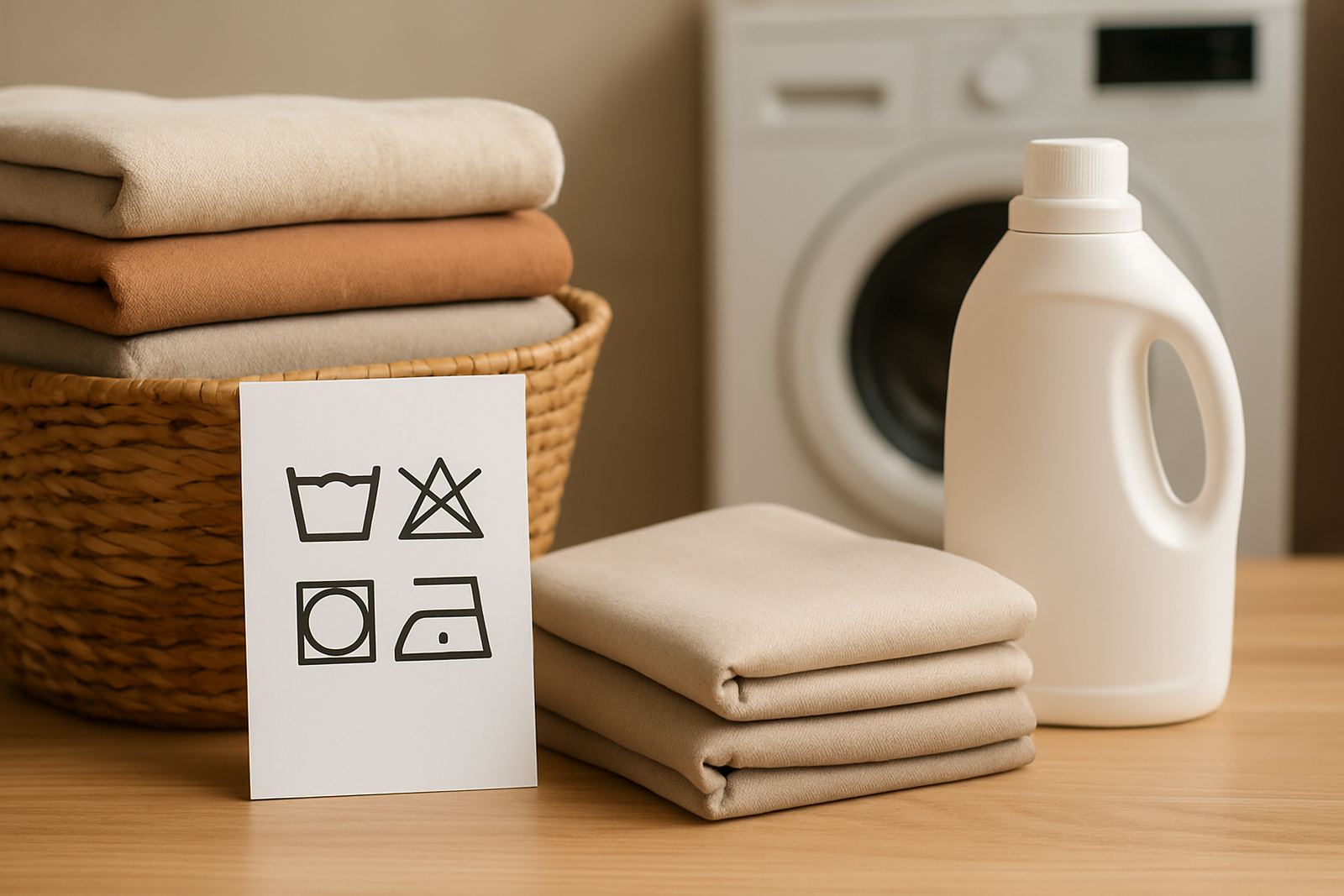
Good file size is only one part of the job. Colour accuracy, file format and clear naming also help avoid delays. If your artwork has specific brand colours, ask for a colour match check before the bulk run. Fabric can look slightly different from screen colour because of fibre type, print method and the base fabric used.
Save your files in a clean format and name them in a way that makes sense to the production team. For example, include the design name, repeat size, finished width and quantity. That makes it easier to process orders for Cape Town clients and nationwide courier jobs.
- Send the correct version of the artwork, not an old draft.
- Use clear file names with size and quantity.
- Ask for strike-off sampling if colour matters a lot.
- Tell us the final use, such as curtains, flags or upholstery.
Use this final artwork checklist before submission
Before you send your job, work through a last check. A few minutes now can save time on file corrections, repeat adjustments and reprints. This is useful for small batch printing as well as larger commercial runs.
If you are supplying artwork from your studio, marketing team or design office, keep one person responsible for the final sign-off. It reduces confusion and helps the print team move the order through file checking, printing, hemming or packing without avoidable back and forth.
- Final size confirmed in millimetres.
- Repeat size and pattern direction confirmed.
- Resolution suitable for the print scale.
- Safe area allowed for hems and seams.
- Colour notes included where needed.
- Correct contact details for approval and courier.
When in doubt, send the artwork and the measurements together. Clear instructions from the start lead to cleaner print results and a better finish on the fabric.