Why fabric weight matters before you print
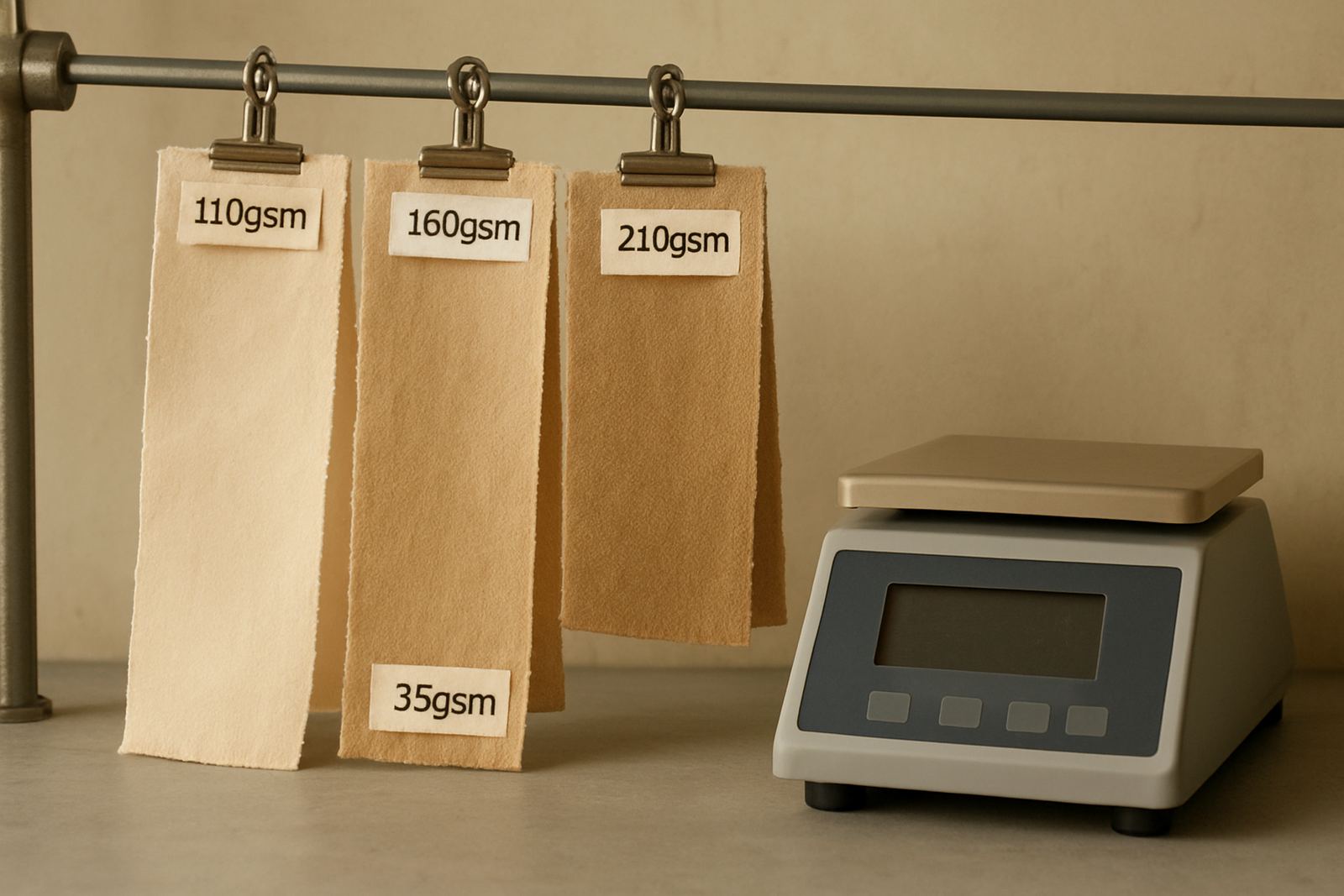
Fabric weight is usually measured in grams per square metre, or GSM. A lower GSM cloth is lighter and often softer to the touch, while a higher GSM cloth has more body and can take more handling in busy spaces. For printed work this affects drape, opacity, stitch lines and how a design reads once the fabric is cut and hung.
In Cape Town, we often see customers choose a cloth for the look alone and only later notice it behaves differently in a coastal home, a hot shopfront or a shaded office. A lightweight textile may hang beautifully in Sea Point but need lining for privacy. A heavier upholstery cloth may be the better option in a family lounge in Century City where the furniture gets daily use.
As a general rule, think of weight as part of the job spec. If the fabric must flow, twist or gather, lower to mid weight can work well. If it must hold shape, take wear, or cover an older surface, a denser cloth usually makes more sense.
How weight changes drape, opacity and handling
Drape is how fabric falls. Light fabrics move easily and create soft folds, which suits curtains, scarves and event decor. Medium weight fabrics sit between flow and structure, so they are often used for casual clothing, scatter covers and general homeware. Heavy fabrics have more support and are usually chosen for upholstery, bags and items that need strength.
Opacity is just as important. A thin printed fabric can look bright on a roll but still show shadows, seams or the reverse side when up against a window. If the curtain is going into a flat in Woodstock or an office in Salt River with strong light, ask about lining or a heavier base cloth.
Weight also affects handling during making up. Very light cloth can shift under the presser foot and fray faster at the edges. Heavy cloth can need stronger needles, firmer thread tension and slower sewing. That is why file checking, sample testing and proper finishing matter before a full run starts.
- Light fabrics: soft drape, good for fashion and sheer applications
- Mid-weight fabrics: balanced feel for most curtain and decor jobs
- Heavy fabrics: firm structure, better for upholstery and hard-wearing items
Choosing the right weight for curtains, flags and upholstery
For curtains, the weight should match the room. Sheer and light curtain fabrics suit spaces where you want daylight and a softer finish. Medium weight printed curtain cloth gives better privacy and hangs neatly on tracks or rods. In coastal areas like Cape Town, moisture and salt air can also affect how trims and linings behave, so the final make-up matters too.
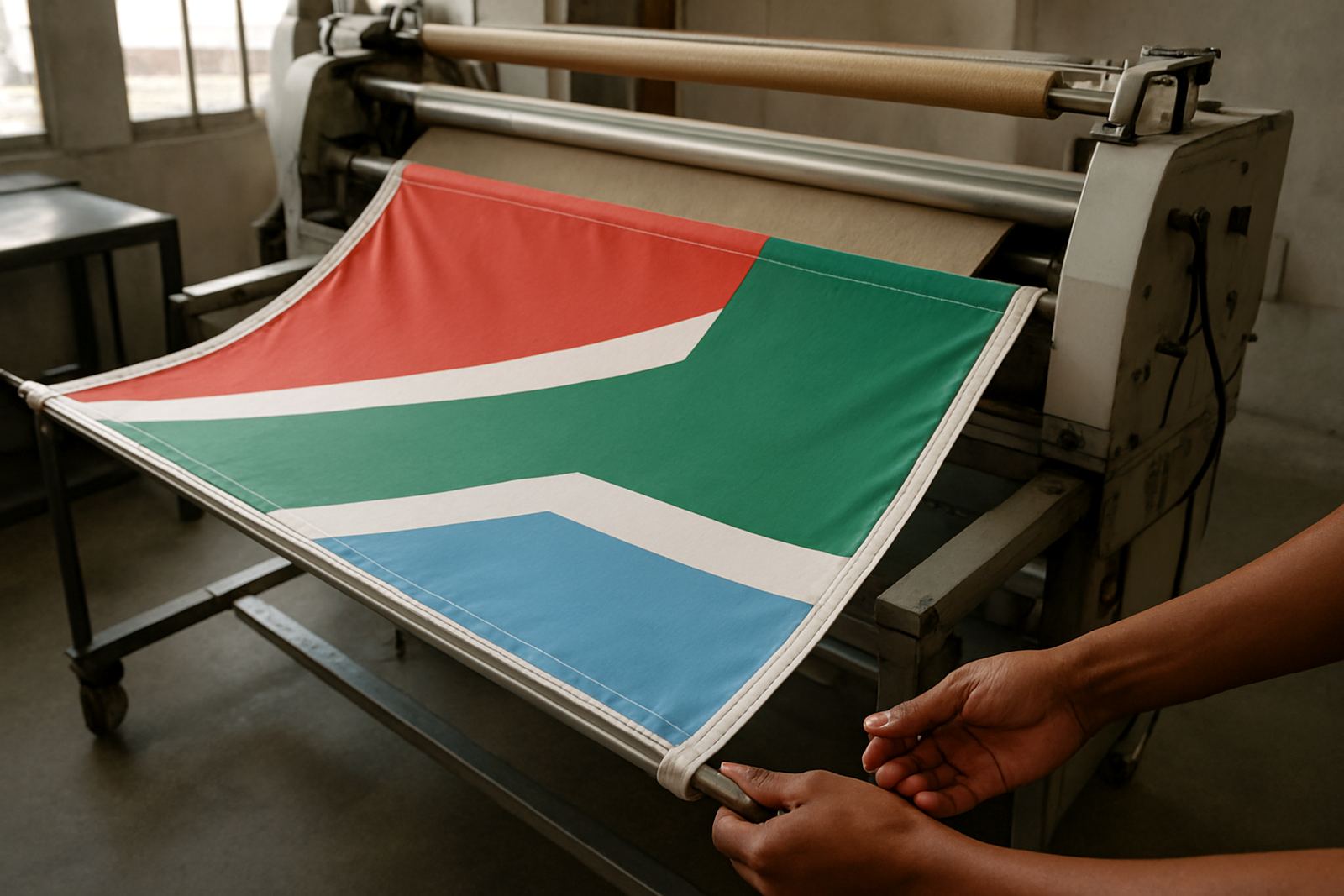
Flags need a different approach. A flag that is too heavy will not move properly in the wind, while a fabric that is too light can wear out quicker at the heading and fly end. For outdoor use, look for a cloth that can handle repeated movement and still hold colour after exposure to sun and wind.
Upholstery asks for the most from the fabric. Weight alone is not enough, but it is a useful starting point. A fabric for occasional chairs is not the same as one for a reception couch in Montague Gardens or a waiting room in Ndabeni where people sit all day. The cloth needs body, abrasion resistance and good finishing at the seams.
- Curtains: choose based on light, privacy and lining plans
- Flags: choose for movement, wind exposure and outdoor use
- Upholstery: choose for wear, support and clean seam behaviour
A practical step-by-step weight check before ordering
If you are unsure where to start, work through the job from end to end. Begin with the final use, then decide how much structure the item needs, and only then select a GSM range. That helps you avoid choosing a cloth that looks right in a sample but behaves badly once printed and made up.
Next, ask for a strike-off or sample where possible. A small printed piece shows how the design sits on the base cloth, how colour lands, and whether the weight is suitable for the intended finish. This is especially useful when matching existing decor or repeating a pattern over a full curtain set.
Then check these points before you place the order:
- Will the fabric hang, stretch or stay firm?
- Will it be washed often or cleaned less often?
- Will it be exposed to sun, wind or moisture?
- Will it need lining, backing or hemming?
- Will the print need to be seen from one side or both?
If the answer to any of these is uncertain, it is better to test first than to guess. That saves fabric, time and courier costs.
Weight, print quality and colour on the finished cloth
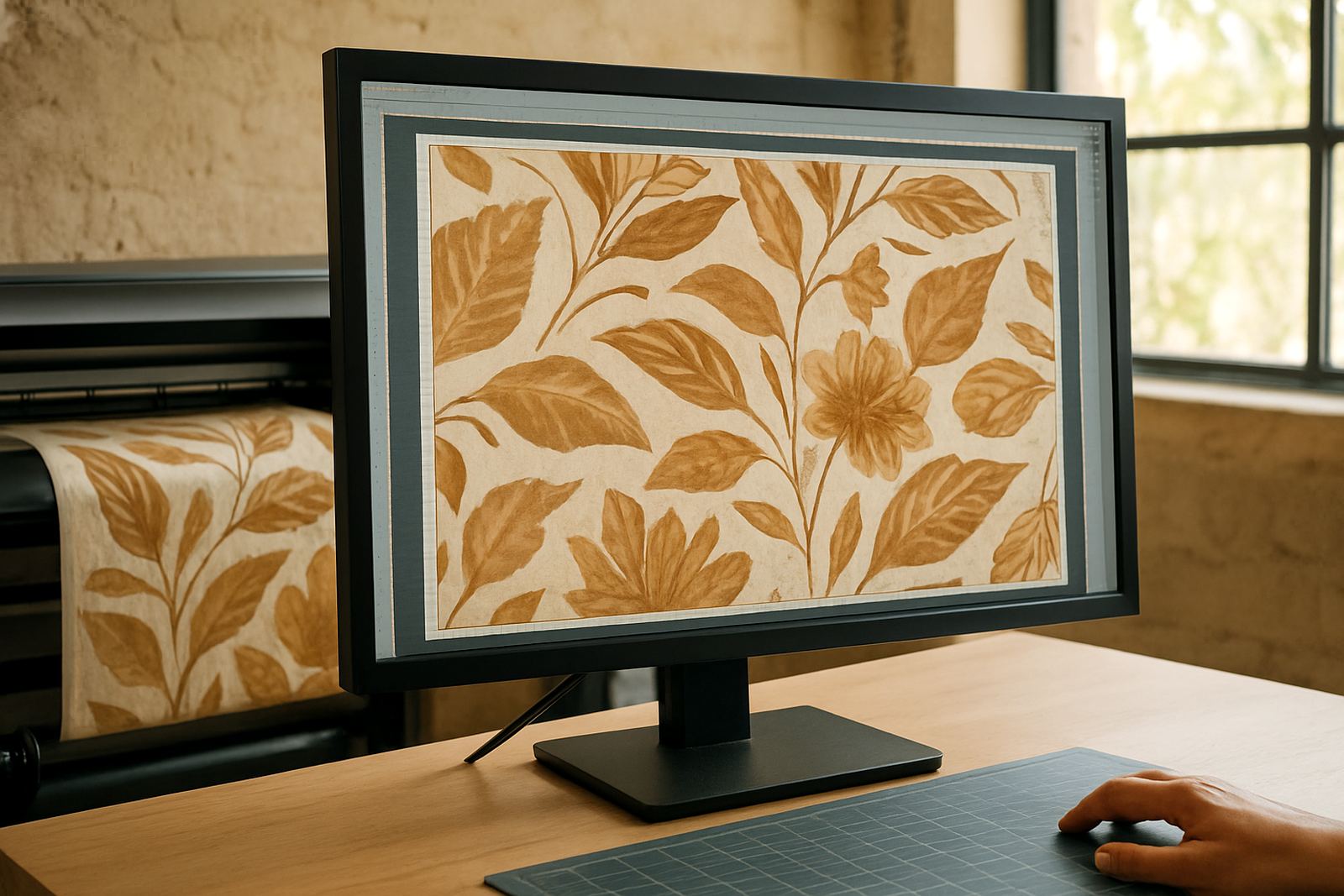
Fabric weight can change the way print looks. On a smoother mid-weight cloth, fine lines and repeats usually read more clearly. On a textured or heavier base, the design may look slightly softer because the weave has more presence. Neither is wrong, but the design should suit the cloth from the start.
Darker designs can also behave differently from pale ones on various weights. A light base may need more care with colour matching if the job must sit next to an existing item in a home or retail space. If you are printing a corporate piece for a branch in Century City or a display for clients in Observatory, a sample check is worth the extra time.
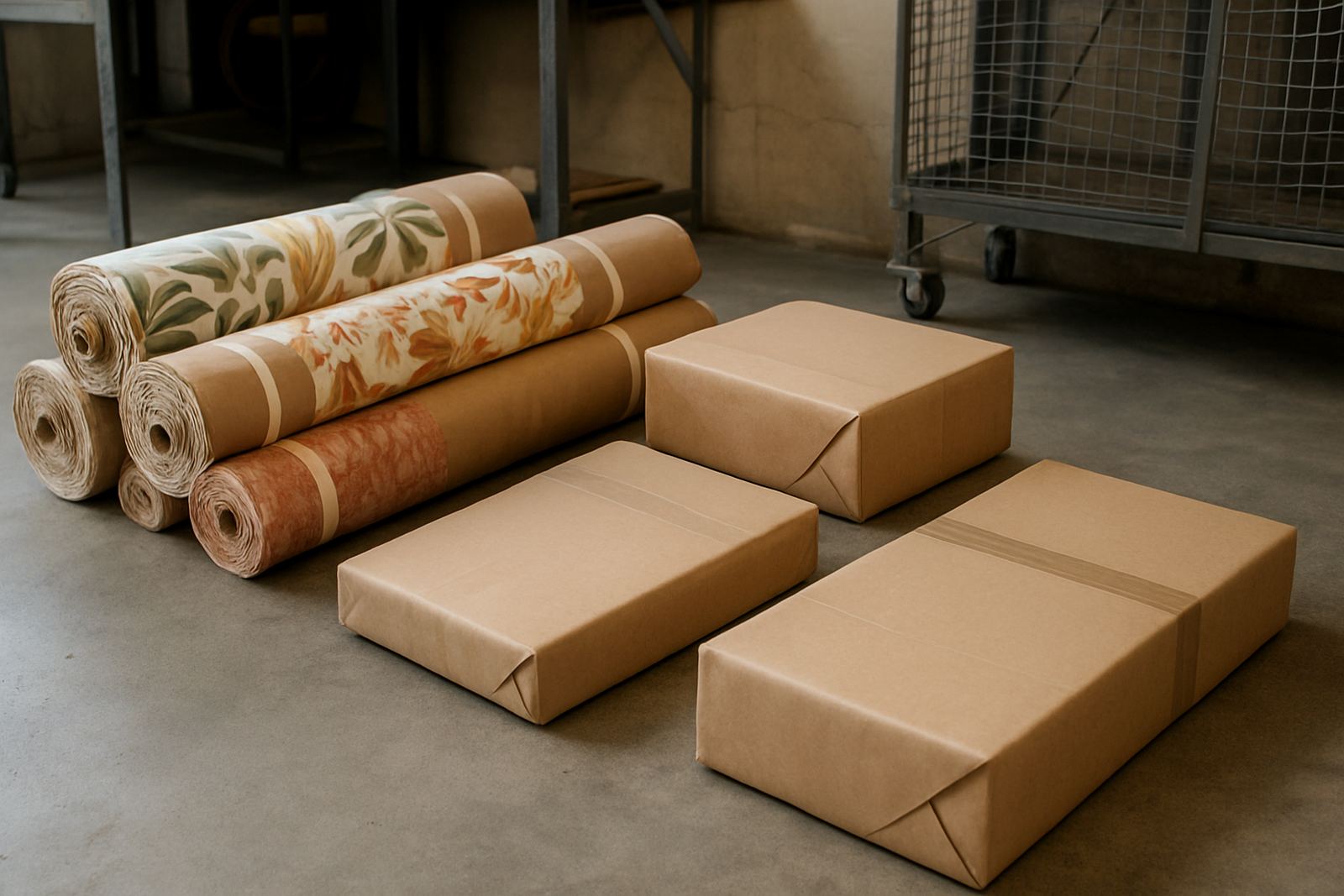
For repeat patterns, weight matters because it affects how the fabric lies when cut. A heavy cloth can shift less, which helps with neat joins, while a very light cloth may need more handling during packing and sewing. Careful file checking and finishing reduce surprises later.
Quick checklist for Cape Town orders and nationwide courier
When you are ordering from Ndabeni for delivery anywhere in South Africa, a clear brief helps keep the job on schedule. Include the use, the required feel, the approximate size of the item and whether you need hemming, packing or courier after printing.
Use this quick checklist before you send files or request a quote:
- Job type: curtains, flags, upholstery or fashion fabric
- Desired feel: soft, medium or firm
- Exposure: indoor, window-facing, outdoor or high-traffic
- Finish needed: hem, seam allowance, edging or backing
- Order size: small batch, bulk run or metre by metre
- Delivery area: Cape Town, surrounding suburbs or nationwide courier
If you are based in Ndabeni, Woodstock, Salt River, Montague Gardens or nearby, it is often easier to compare samples before confirming. For customers further afield, a detailed brief and sample request can still make the final result much closer to what was planned.
When to ask for help choosing the weight
Ask for help if the fabric will be used in an unusual way, if the item has to last through frequent washing, or if the print must match a previous run exactly. That is common with hotel curtains, retail displays, school events and branded decor where consistency matters.
You should also ask if you are unsure about lining, hems, or how a cloth will react once it is cut on the bias. A small difference in weight can change the final hang more than expected. For customers in Cape Town and across South Africa, a short conversation at the start usually prevents delays later.
Simple choice, better result: the right weight makes the print work as part of the finished item, not just on the roll.