What Linen Look Fabric is and why clients ask for it
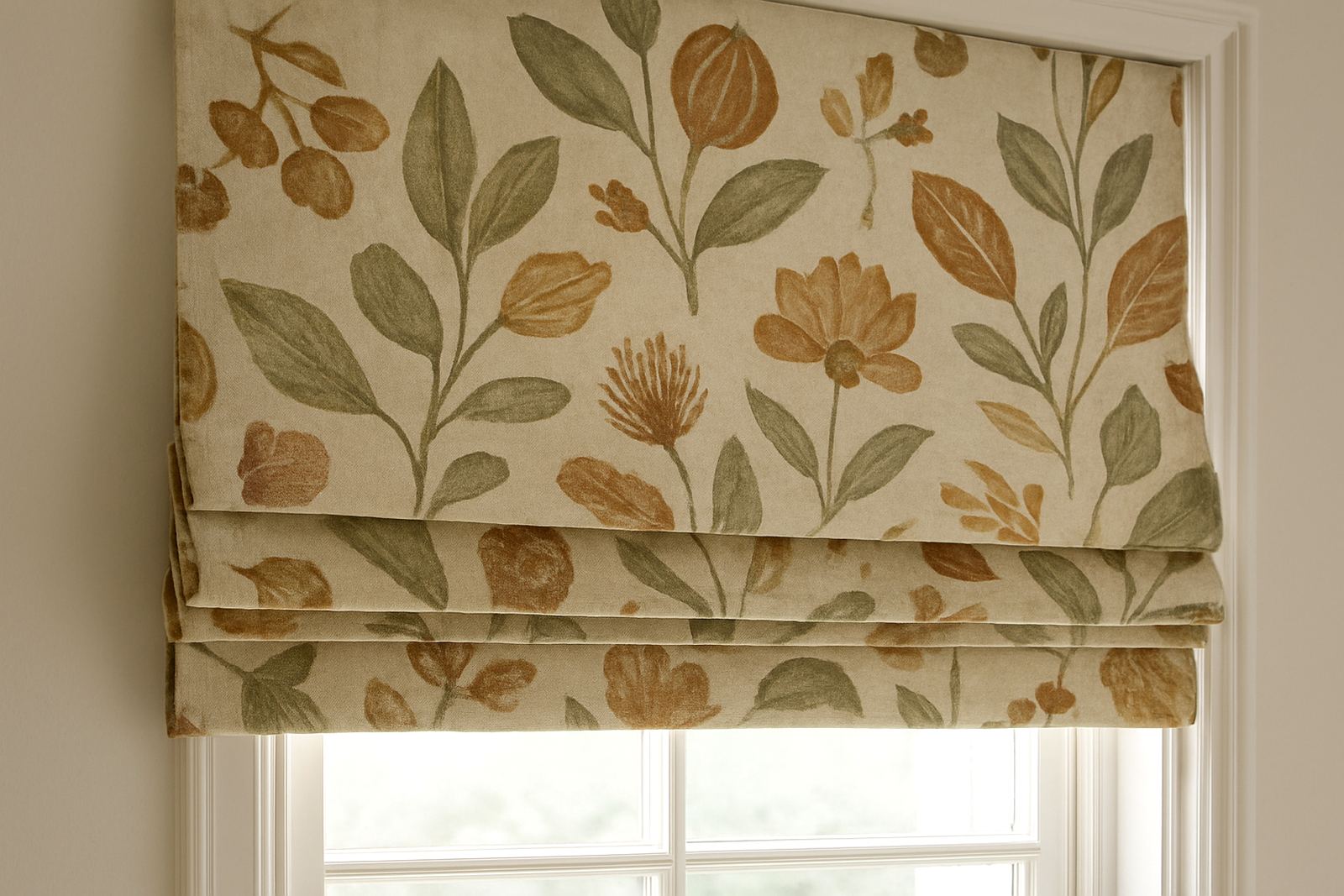
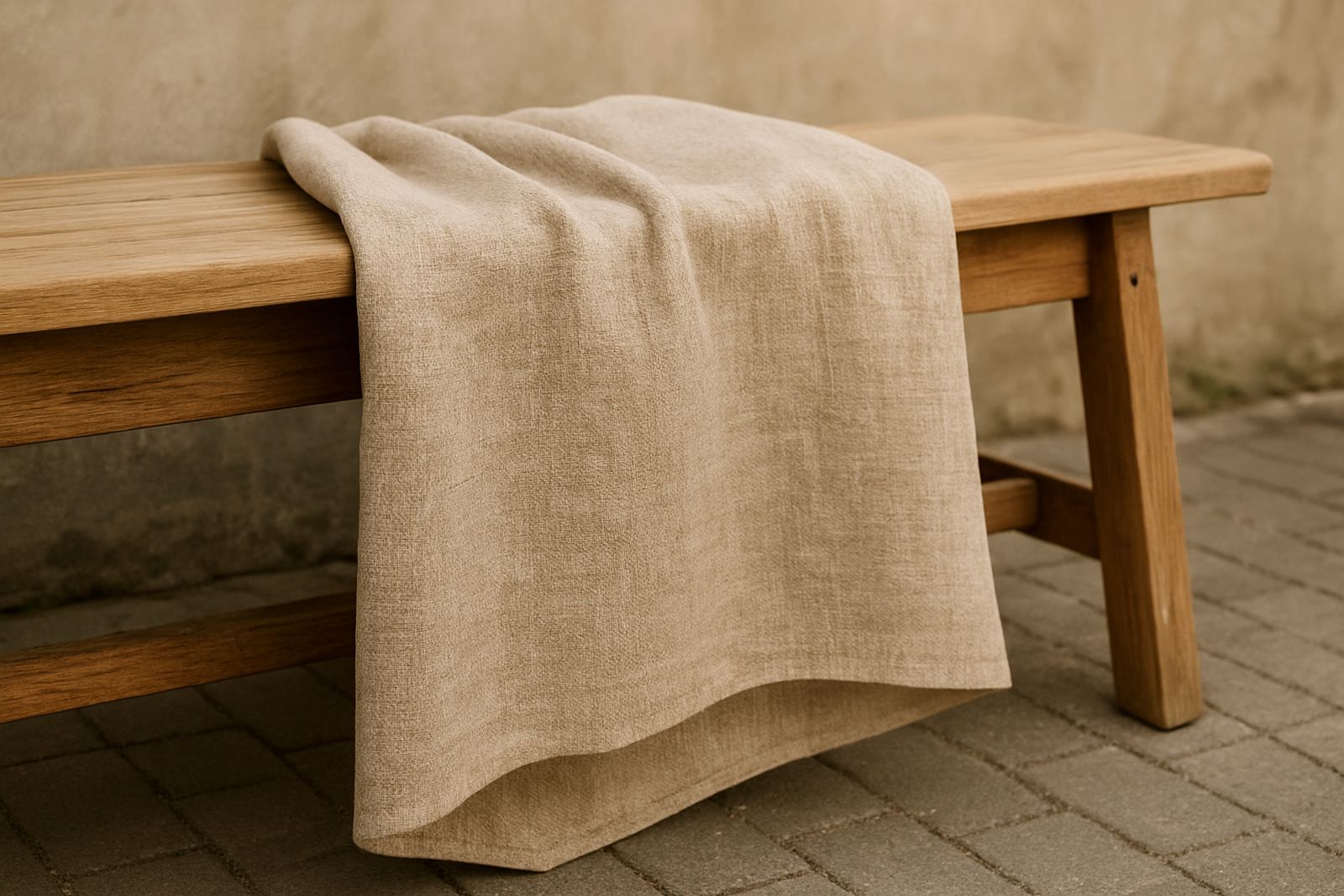
Linen Look Fabric is a textured printed cloth designed to mimic the relaxed appearance of linen while still giving you the consistency of a prepared print base. It works well when you want a softer home feel without using a plain flat weave, and it helps prints sit with a more natural, residential finish. The surface has a subtle slub style effect that reads well in curtains, scatter covers, wall features and lighter upholstery pieces.
For many clients in Cape Town and across South Africa, this option is popular because it brings character to a room without looking too glossy or too formal. It suits family homes, guest houses, offices, apartments and hospitality spaces where the fabric needs to look presentable from close range. If you are ordering for a project in Ndabeni, Woodstock, Salt River or beyond, it is a practical choice for both single pieces and bulk runs.
- Textured linen appearance with printed design detail
- Suitable for residential and light commercial use
- Works with custom colourways and repeat patterns
Sizes, widths and finishing options available
Fabric Printers Studio supplies Linen Look Fabric by the metre and in custom project quantities, so you can order according to the job rather than the roll. The most common option is 1.4 m to 1.5 m wide fabric, which is convenient for curtains, scatter cushions and many decorative applications. If you need a larger print run, the team can help with bulk print runs and repeat pattern setup to keep the design aligned from metre to metre.
Depending on the end use, you can request hemmed edges, cut lengths, colour matching, strike-off sampling and file checking before production starts. For curtain work, smaller repeats are often checked carefully so the pattern does not look busy in a room. For upholstery or feature panels, the print can be adjusted to suit the scale of the furniture or wall section. This saves waste and gives better results on the final install.
- Order by the metre or as a small batch
- Standard widths typically suit curtains and décor items
- Available with hemming and finishing on request
Best places to use this fabric indoors
This fabric is at its best where a softer, more lived in look is needed. It works beautifully for bedroom curtains, lounge drapes, dining room feature panels and decorative cushions. It also performs well in boutique accommodation, reception areas and consultation rooms where the space needs warmth but not heavy fabric bulk. Because the linen look has visible texture, it can soften bright printed designs and make them feel less harsh under daylight.
It is especially useful in rooms with large windows and Cape coastal light. In areas near the sea, some clients choose it because the textured appearance helps hide everyday wear a bit better than a plain smooth base. For homes in Century City, Observatory or Montague Gardens, it can also work in modern interiors where a little texture balances out glass, concrete and painted finishes.
- Curtains and drapes
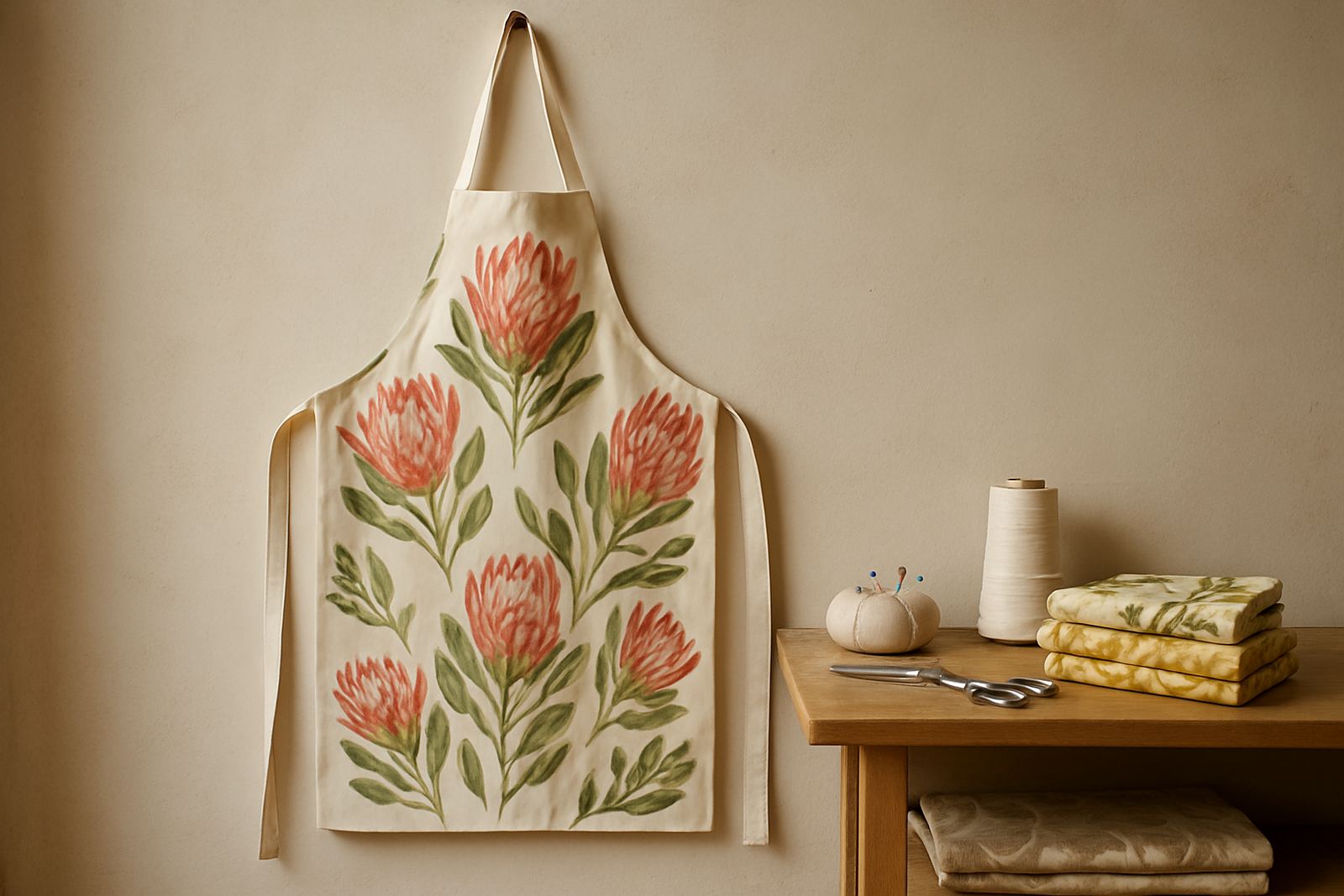
- Scatter cushions and decorative covers
- Light upholstery and soft furnishing panels
- Hospitality, retail and office interiors
Installation notes for curtains, panels and soft furnishings
Most Linen Look Fabric orders need no special power or gas requirements because the product is supplied as printed fabric, not a fitted appliance or heated system. Installation is usually handled by a curtain installer, upholsterer or seamstress depending on the end use. For curtains, allow enough fabric for heading style, fullness and the finished drop from the rail to the floor or sill. If the room has uneven floors or older plaster walls, it is worth measuring in more than one place before ordering.
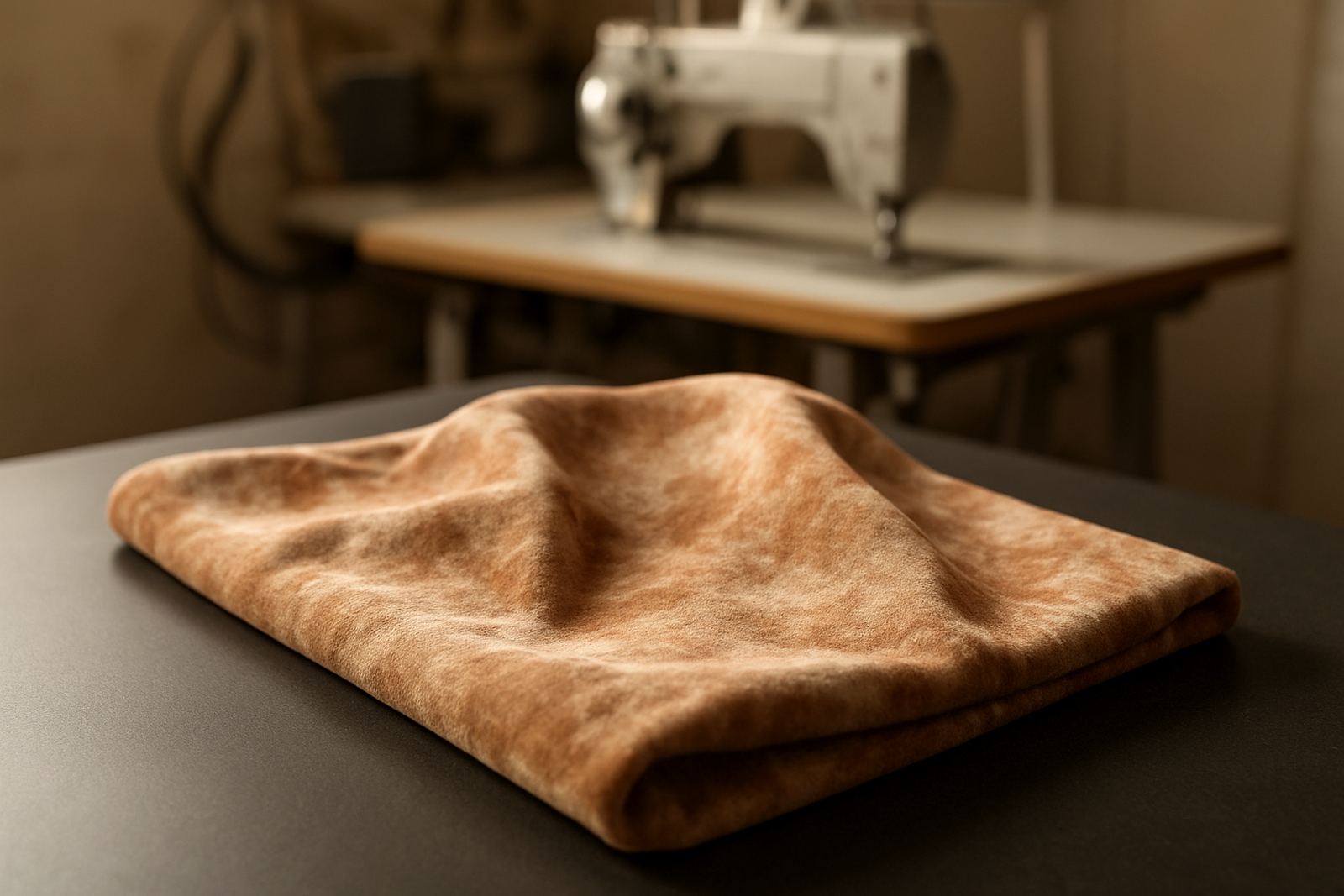
For upholstery, the frame, foam and stitching method must be checked before the fabric is cut. The print direction matters too, especially on large chairs, ottomans or banquette seating. We recommend a strike-off sample if the project is important or if the room gets strong natural light. That gives you a clear look at the texture, colour and scale before the full run is printed. It also helps avoid mistakes when the layout is being planned.
- No power or gas installation is needed for the fabric itself
- Measure carefully for curtain drops and pattern placement
- Use a sample when the room has strong light or exact colour needs
Care, cleaning and how to keep the print looking good
Linen Look Fabric is generally easy to manage when it is cared for in line with the final use. For curtains and décor items, regular dusting or light vacuuming with a soft brush attachment helps keep the texture clean. If the fabric is used on cushions or removable covers, spot cleaning is best for small marks and food spills. Always test a small hidden section first if you are using any cleaning solution.
For upholstery, the care level depends on the room and how often the piece is used. Family homes, guest rooms and public spaces will usually need more frequent cleaning than a formal sitting room. Avoid harsh scrubbing because it can flatten the surface texture and dull the print. If a project will be exposed to coastal humidity or near open windows, proper lining and finishing can help the fabric keep its shape better over time.
- Dust or vacuum gently to protect the texture
- Spot clean removable items where possible
- Use the right finish for humid or high use rooms
What to check before you place an order
Before ordering Linen Look Fabric, check the exact end use, the required width, and whether the design needs to repeat across multiple panels. If you are matching existing décor, send a clear colour reference or ask for colour matching so the print sits properly with paint, timber or upholstery already in the room. It is also worth confirming whether you need fire-related compliance for hospitality or commercial sites, since some spaces have municipal or landlord requirements.
For curtain jobs, make sure the measurements include hems, stack back and fullness. For upholstery, confirm how much fabric the upholsterer needs and whether the pattern must run in a single direction. If the project is going nationwide, packing and courier can be arranged from the Ndabeni base in Cape Town, with regular work going to clients in Woodstock, Salt River, Observatory, Montague Gardens and Century City. Small jobs and repeat orders are both handled with the same careful file checking and packing process.
- Check width, pattern repeat and total metreage
- Confirm lining, heading and finishing needs
- Ask about sampling before final production
Key facts
| Product type | Textured printed fabric with linen appearance |
|---|---|
| Order format | By the metre or project batch |
| Common use | Curtains, upholstery, cushions and décor panels |
| Typical width | About 1.4 m to 1.5 m |
| Print support | Repeat pattern setup, colour matching, file checking |
| Fulfilment | Packed and couriered nationwide from Ndabeni, Cape Town |