When artwork has to work on fabric
Artists and illustrators usually come to us with a clear visual style but no fixed production plan. The brief might be a cushion cover range for a boutique in Cape Town, a small batch of scarves for a market launch, or a set of large panels for interiors and exhibitions. Fabric printing is not only about getting the image onto cloth, it is about keeping the line work clean, the colour true and the repeat stable once the fabric is cut and stitched.
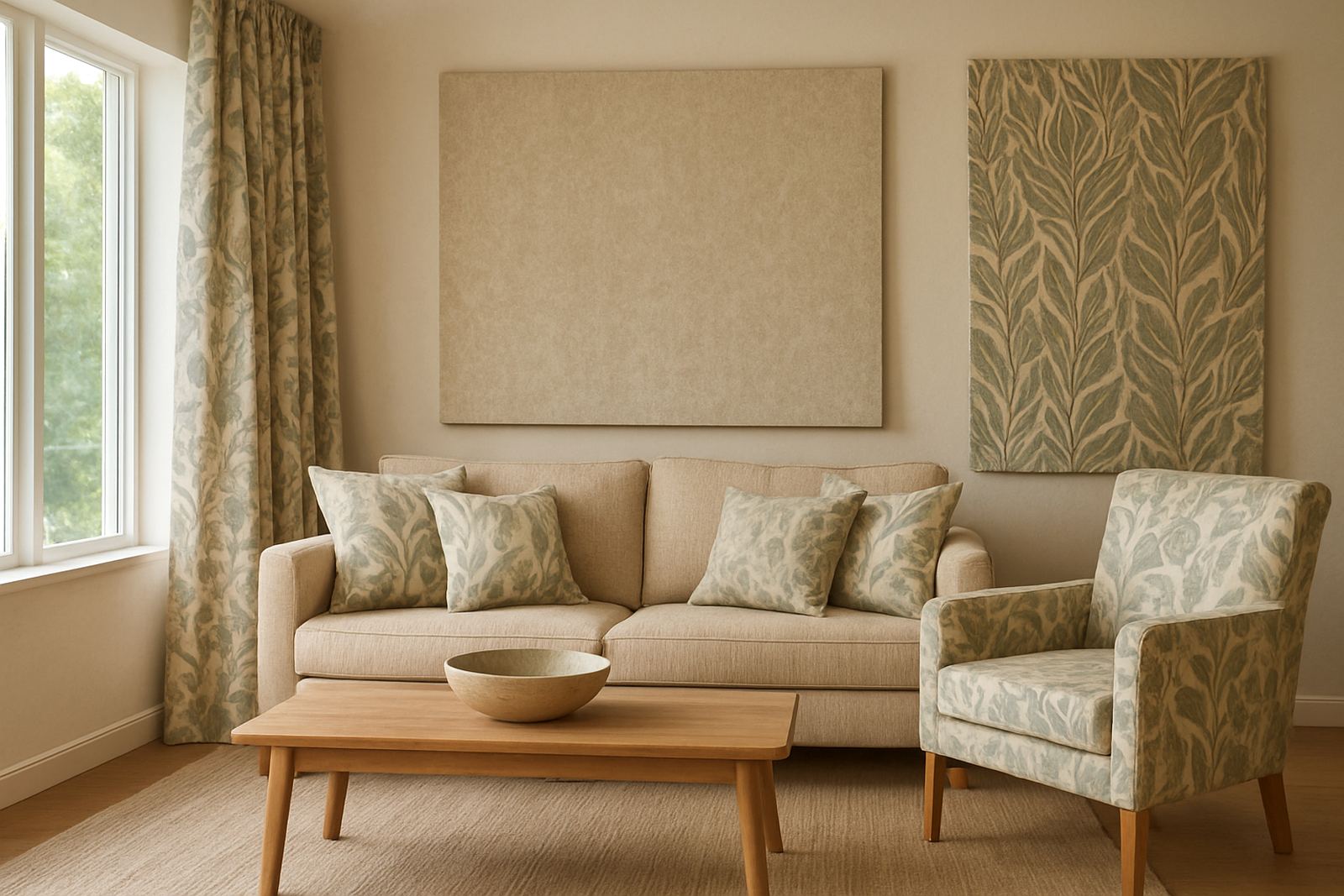
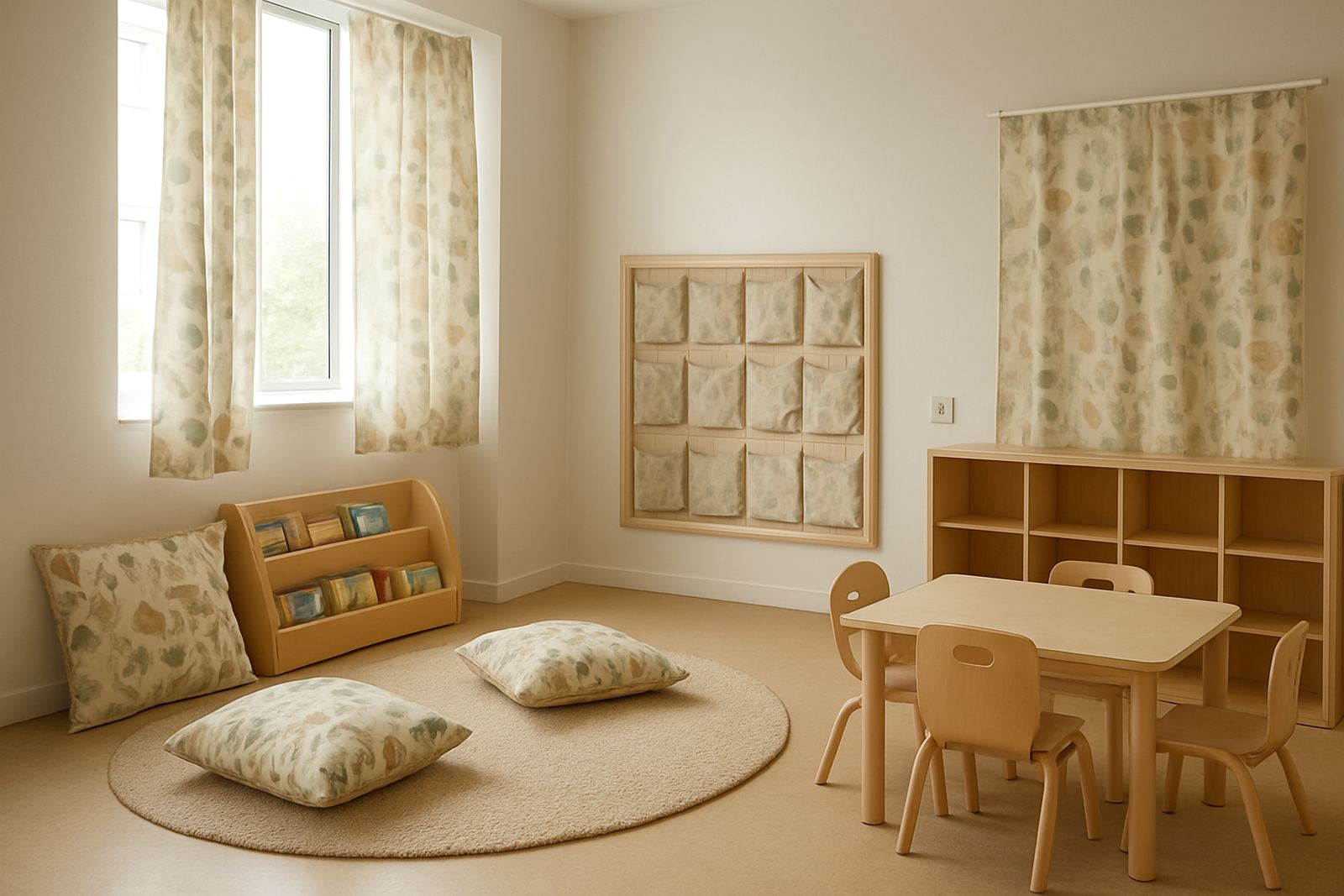
For this use case, we look at the final product first. A bold illustration for curtains needs different scale and edge handling from a fine repeat for dressmaking. We also consider the fabric base, because cotton, poly blends and upholstery cloth all take ink differently. In humid coastal conditions, and with stock moving by courier across South Africa, the finish has to hold up in storage, handling and stitching.
Typical set-up for artists and small creative labels
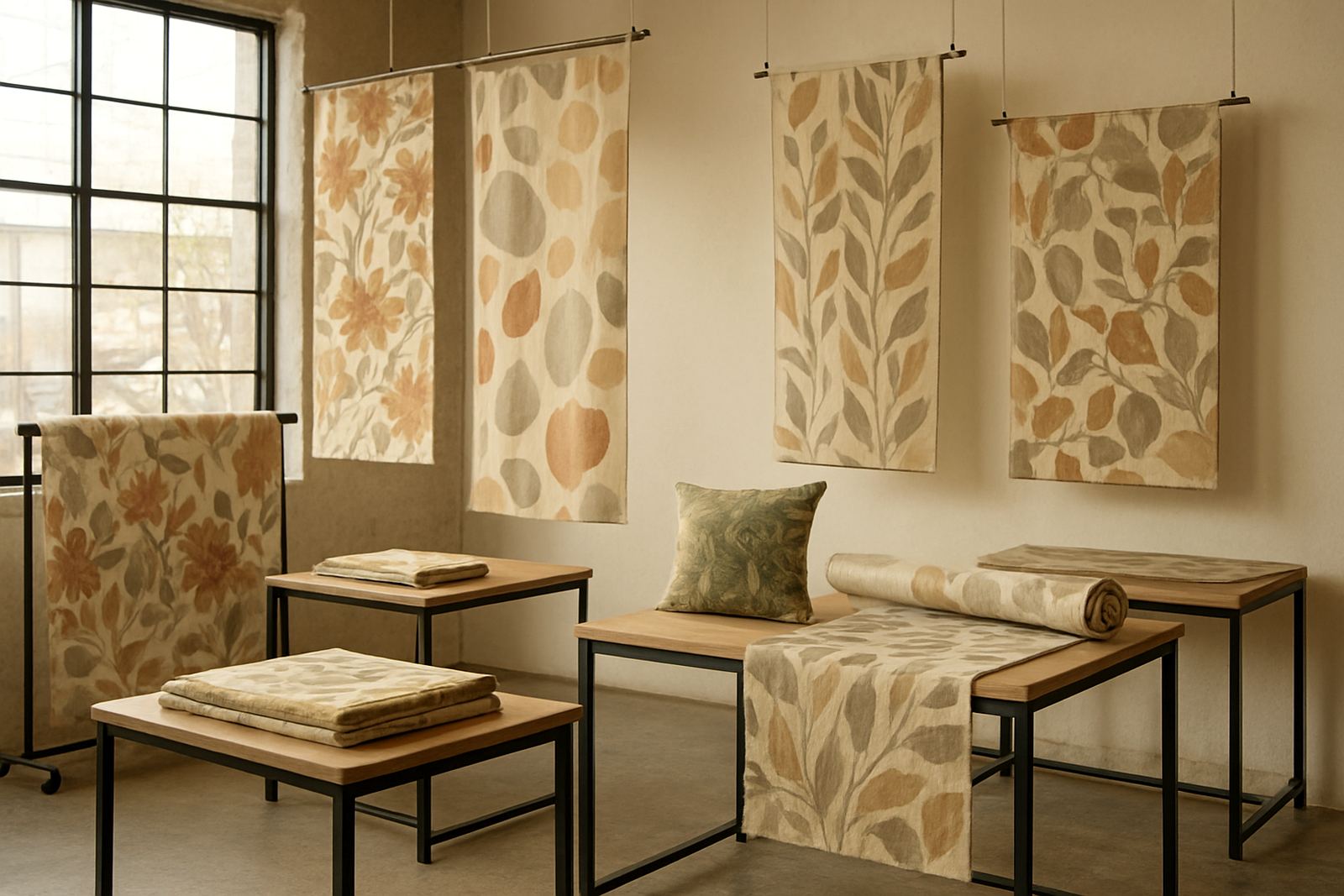
Most artists do not need a huge production line, but they do need the right mix of printing, checking and finishing services. A practical starting point is one sample run, one approved colourway and then a small batch or metre run once the artwork is signed off. For repeat work, we can keep files set up so the same pattern or artwork can be run again with less back and forth.
- Custom fabric printing for originals, repeats and full artwork panels
- Repeat pattern setup for seamless layouts or directional repeats
- Colour matching for brand colours, skin tones and illustrated palettes
- Strike-off sampling to test scale, saturation and placement
- Hemming and finishing for ready-to-use décor pieces
- Packing and courier for local Cape Town and nationwide delivery
If your work includes limited editions, we can also help you decide whether to print by the metre or as fixed pieces. That choice affects waste, price and how easy it is to price each finished item.
Planning artwork so it prints well
The best results start with file prep. Artists often send a beautiful image that looks good on screen but loses detail when stretched over fabric. Fine black lines can break up, pale colours may disappear on natural cloth, and a repeat can show a visible join if the pattern is not checked properly. Before print, we look at resolution, scale, seam placement and the way the artwork will sit on the finished item.
- Work at the final size wherever possible, especially for large curtains or panels
- Leave safe borders for hems, seams and cutting
- Check the repeat direction if the fabric will be used for clothing or soft furnishings
- Keep text, signatures and small detail away from edges and joins
- Ask for a strike-off if colour accuracy matters to the final sale
For illustration-led products, layout matters as much as the artwork itself. A repeated bird, flower or geometric motif can look expensive when it is spaced evenly, but crowded if the repeat is too small. If the cloth is for cushions or upholstery, we will often suggest a larger repeat so the design does not vanish once it is cut into smaller pieces.
Common mistakes that cost time and Rand
Many first-time fabric projects go over budget because the artwork was not planned around the fabric. A design that needs constant resizing can use extra sampling rounds, while poor file quality may mean rework before printing even starts. Another common issue is choosing the wrong base cloth. A soft fashion fabric may suit scarves, but it will not perform well for curtains or seat covers.
We also see artists under-ordering because they want to test the market. That is understandable, but tiny run sizes can push up the unit price. If you need samples for galleries or retailers, it helps to work out the minimum useful quantity rather than ordering just one or two metres and paying more later. The same applies to finishing. Unhemmed fabric may look cheaper at first, but once you factor in sewing, packing and courier the total can shift quickly.
Another mistake is ignoring local use conditions. A print for a humid coastal home, or a busy studio in Ndabeni, needs to handle moisture, handling and sunlight better than a piece meant only for display. That is why we suggest testing before a large production run if the work is going into a live retail setting.
Budget ranges for artists and illustrators
Budget depends on fabric choice, print size, quantity and finishing. As a rough guide, artists and illustrators usually plan in bands rather than fixed prices, because the final cost changes with artwork complexity and how much fabric is actually used. Small strike-off samples are the cheapest way to start, while full metre runs and finished products sit higher depending on labour and finishing.
- Strike-off sample: from about R180 to R450 per sample, depending on size and fabric
- Small batch print run: from about R450 to R1 800 for a short run, before finishing
- Fabric by the metre: often from about R120 to R350 per metre, depending on base cloth
- Custom curtains or finished décor pieces: usually quoted after sizing and hemming are confirmed
Courier adds to the total for clients outside Cape Town, but it is still often better than collecting each run in person if you are based elsewhere. For artists selling to shops in Woodstock, Salt River, Observatory, Montague Gardens or Century City, we can plan packing so stock is ready for dispatch in one go.
How our Cape Town team handles the job
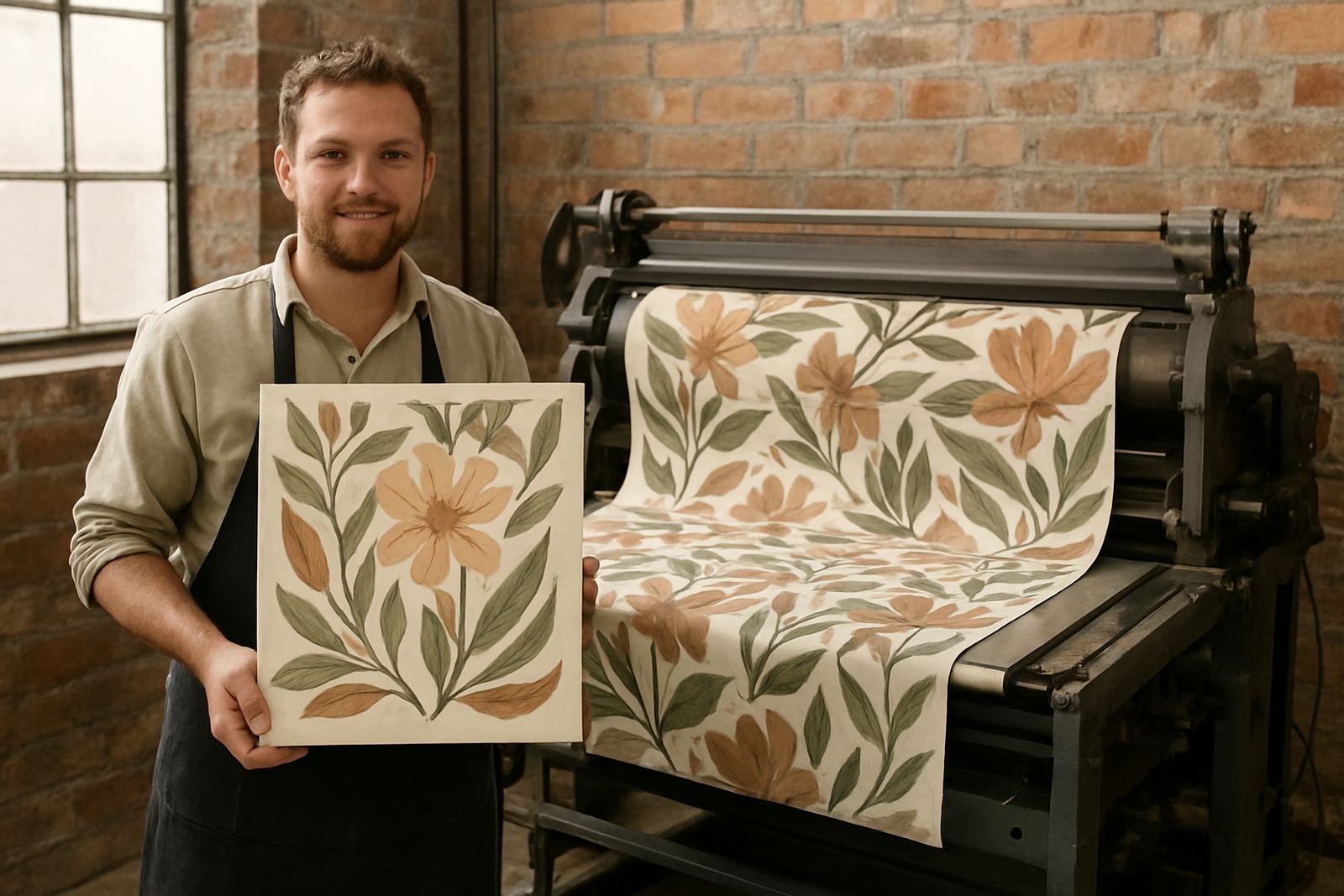
Our Ndabeni studio works with artists, illustrators and small creative businesses across South Africa. Luvuyo Mbeki oversees the operation, while the production team checks files, manages print runs and prepares finished fabric for packing. That means you are not left guessing who is handling your work or whether the design has been read properly before print.
For creative clients, the main advantage is control. You can bring one artwork, test a colourway, approve a sample and then move into a print run once the scale feels right. If your project includes multiple designs, we can help separate them into a sensible print plan so you are not paying for unnecessary waste or waiting on avoidable reprints.
We also handle fabric sourcing, hemming and courier, which is useful when the end result must be ready for a gallery drop, a retail order or a limited edition release. If your artwork is going onto products rather than wall display, we will flag any layout issues early so the final pieces are easier to cut and sell.