Printed fabric for the kind of work dressmakers actually do
Dressmakers usually need more than a pretty print. You need cloth that behaves well on the table, takes a press without marking, and still looks neat after cutting, pinning and sewing. That includes bridal wear, matric dance outfits, church dresses, kidswear, small capsule collections and one-off commissions where the client wants something different from shop-bought fabric.
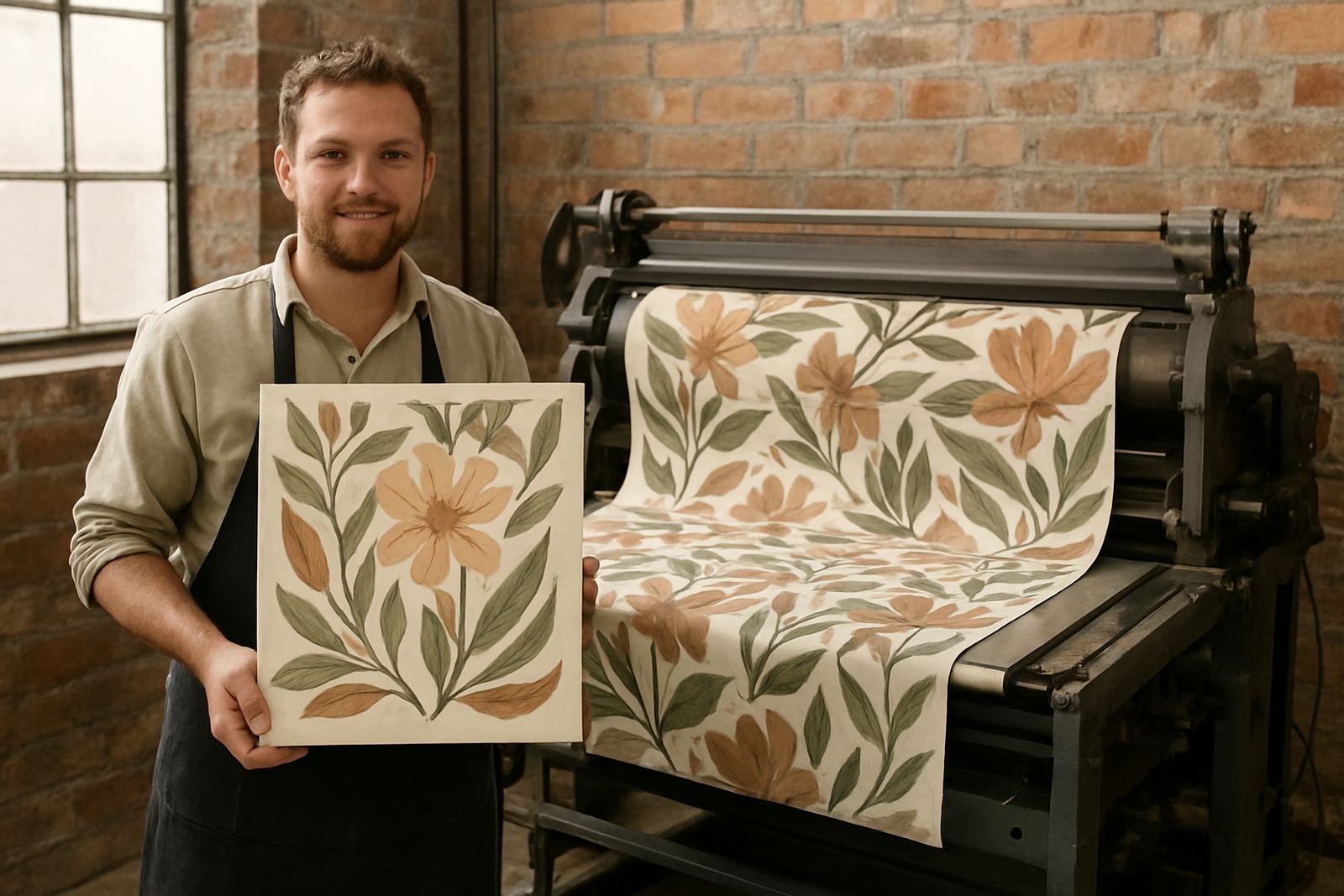
At our Cape Town base in Ndabeni, we print for makers who buy 3 metres for a sample run and for studios that need 80 metres for the same style in multiple sizes. The common thread is control. You want the print to sit where you planned it, the repeat to line up and the colour to stay consistent from one order to the next.
Typical set-up in a dressmaking studio
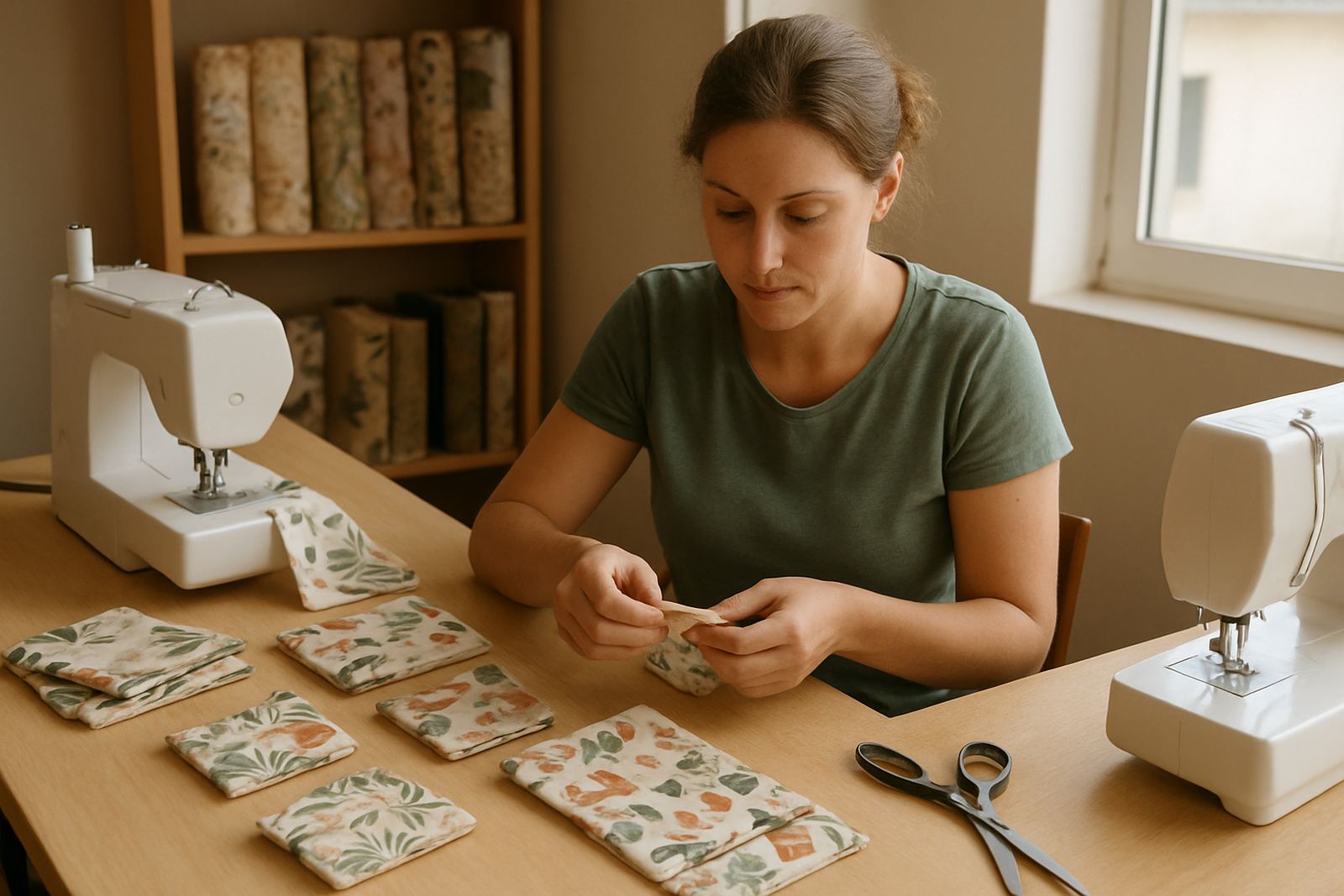
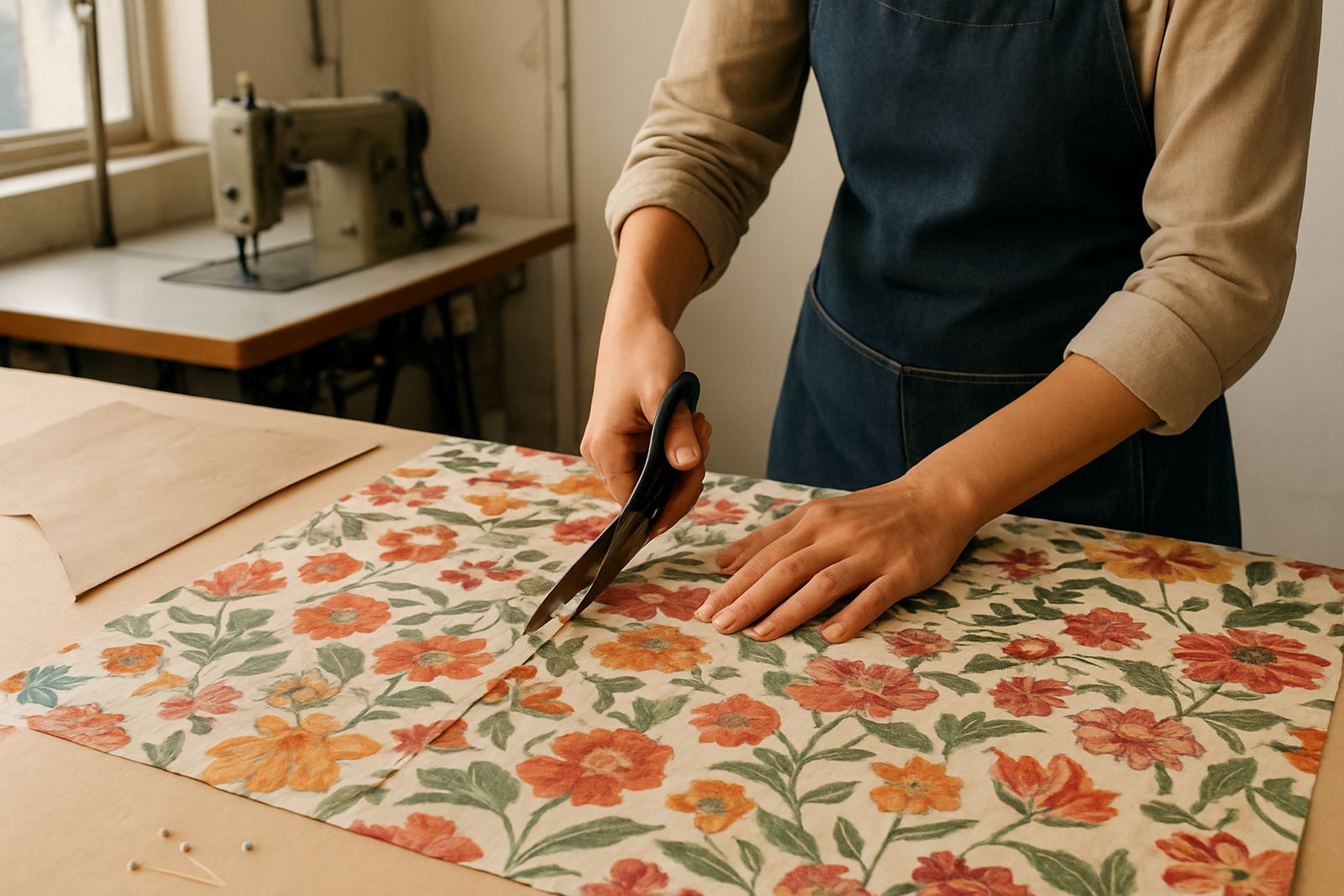
Most dressmakers work with a mix of domestic and industrial equipment, plus a cutting area that must stay flat and uncluttered. When you are handling printed fabrics, the set-up matters just as much as the machine.
- 1 to 2 sewing machines, often one for straight stitching and one for finishing
- Overlocker or coverstitch machine for neat inside seams
- Large cutting table or clear floor space with a proper cutting mat
- Dressmaking shears, rotary cutter, rulers and pattern weights
- Steam iron or pressing station for setting seams and hems
- Storage tubs or tubes to keep printed fabric clean before cutting
If you work from home in places like Woodstock, Salt River or Observatory, humidity and dust can affect both fabric and finished garments. Keep rolls off the floor and away from open windows, especially in summer. In Cape Town winters, a dry storage corner also helps when load-shedding interrupts pressing and you need to keep work staged for the next day.
Planning your print layout before the cloth is cut
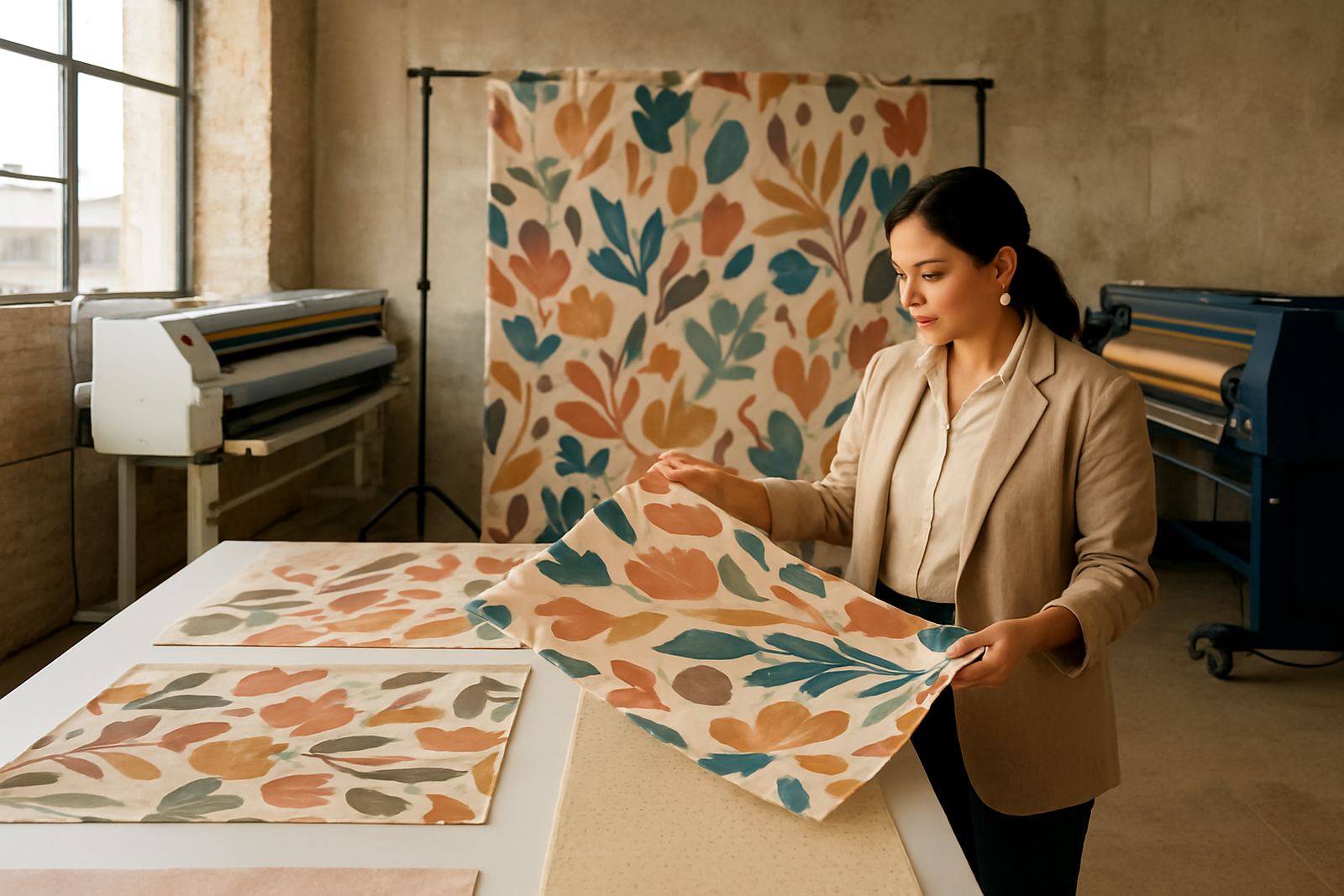
Good planning saves money. With printed fabric, the placement of a motif or repeat can affect how many garments you get from one metre. A large floral print may suit a flowing skirt, while a tighter repeat works better for bodices, collars and sleeves. If you are making matched sets or a dress with visible front panels, ask for repeat pattern setup before printing starts.
For tailored work, think about seam allowances, grain direction and how the design will fall once the garment is assembled. A placement print for a panel dress needs a different approach from a standard all-over repeat. We can check your files, do colour matching and prepare strike-off samples so you can see the result before a bulk run.
- Allow extra metres for matching panels, facings and facings offcuts
- Check whether the print needs to repeat across sleeves and skirt panels
- Confirm the final use, such as chiffon-look fashion pieces or sturdier garments
- Ask for a sample before committing to a full batch
Common mistakes dressmakers make with printed fabric
The first mistake is buying too little. Once you factor in pattern matching, shrinkage, testing and the odd cutting error, a tight order can become too small very quickly. The second is choosing a print scale that looks good on screen but overwhelms the garment in real life. A bold motif can work on a kaftan or occasion dress, but it may be too busy for fitted bodices or children’s clothing.
Another common issue is skipping a strike-off. If the colour is not right, or the artwork needs adjusting, it is cheaper to fix it before the full run. Some dressmakers also forget that the inside of the garment matters. If you are using printed fabric for linings, trims or contrast details, confirm that the base cloth and finish suit pressing, stitching and wear. A good print on the wrong cloth will still cause problems.
Budget ranges for bespoke garments and small runs
Dressmaking budgets vary a lot depending on fabric type, print size and quantity. For a single custom order, many clients start with 3 to 10 metres, especially for a special dress or a sample garment. Small sewing businesses often plan 20 to 50 metres when they are testing a style before placing a bigger run.
As a working guide, a small printed fabric job can start from about R450 to R1 500 for sample preparation, depending on the artwork and fabric choice. Short runs and made-to-order metres usually cost more per metre than bulk print runs. If you need hemming and finishing for ready-to-sew lengths, allow extra in the budget. Courier to Durban, Gqeberha, Pretoria or smaller towns nationwide should also be included, especially when lead times matter.
- Sample and strike-off stage: from about R450
- Small batch printing: often from R1 500 and up
- Bulk print runs: better value per metre
- Courier and packing: added separately, depending on destination
Working with a Cape Town print partner who understands sewing timelines
Dressmakers work to fitting dates, client fittings and event deadlines, so timing is critical. A bridal job that slips by a week can affect alterations, trims and final delivery. That is why file checking, clear communication and proper packing matter. Our team handles design coordination, print production, packing and courier from Ndabeni, with support for makers in Century City, Montague Gardens and nearby areas as well as nationwide orders.
Whether you are a solo maker or running a small studio with a few machinists, the aim is the same: get cloth that is consistent, useful and ready to sew. If your work depends on colour accuracy, repeat alignment or a specific finish, it is worth planning the fabric stage properly from the start.
Best-fit fabric choices for dressmakers
Different garments need different cloth behaviour. Lightweight fashion pieces need a soft hand and good drape, while structured garments need more body and stability. If you are unsure, we can help with fabric sourcing so the print suits the final garment rather than fighting against it.
- Flowy dresses and occasion wear: choose lighter cloth with good drape
- Statement tops and skirts: medium-weight fabric with clear print detail
- Kidswear and casual pieces: practical fabrics that handle frequent washing
- Sample garments: smaller metreage with careful colour matching
For dressmakers in Cape Town and across South Africa, the right print on the right cloth can make the cutting room easier and the final garment stronger. It also means fewer surprises when the client comes for a fitting.