Fabric that works across bedrooms, lounges and breakfast rooms
Guest houses usually need more than one fabric job. A few rooms may need block-out curtains for sleep quality, while the lounge needs scatter cushions or chair covers that match the rest of the property. Reception areas, breakfast nooks and outdoor patios often need printed fabrics too, especially where the style has to stay consistent from room to room.
We print to your brief, whether you are fitting out a new property in Cape Town, refreshing a family-run guest house in Somerset West, or replacing faded furnishing after years of coastal sun and humidity. The aim is simple: fabrics that look neat in photographs, clean up well and suit the way guests actually use the space.
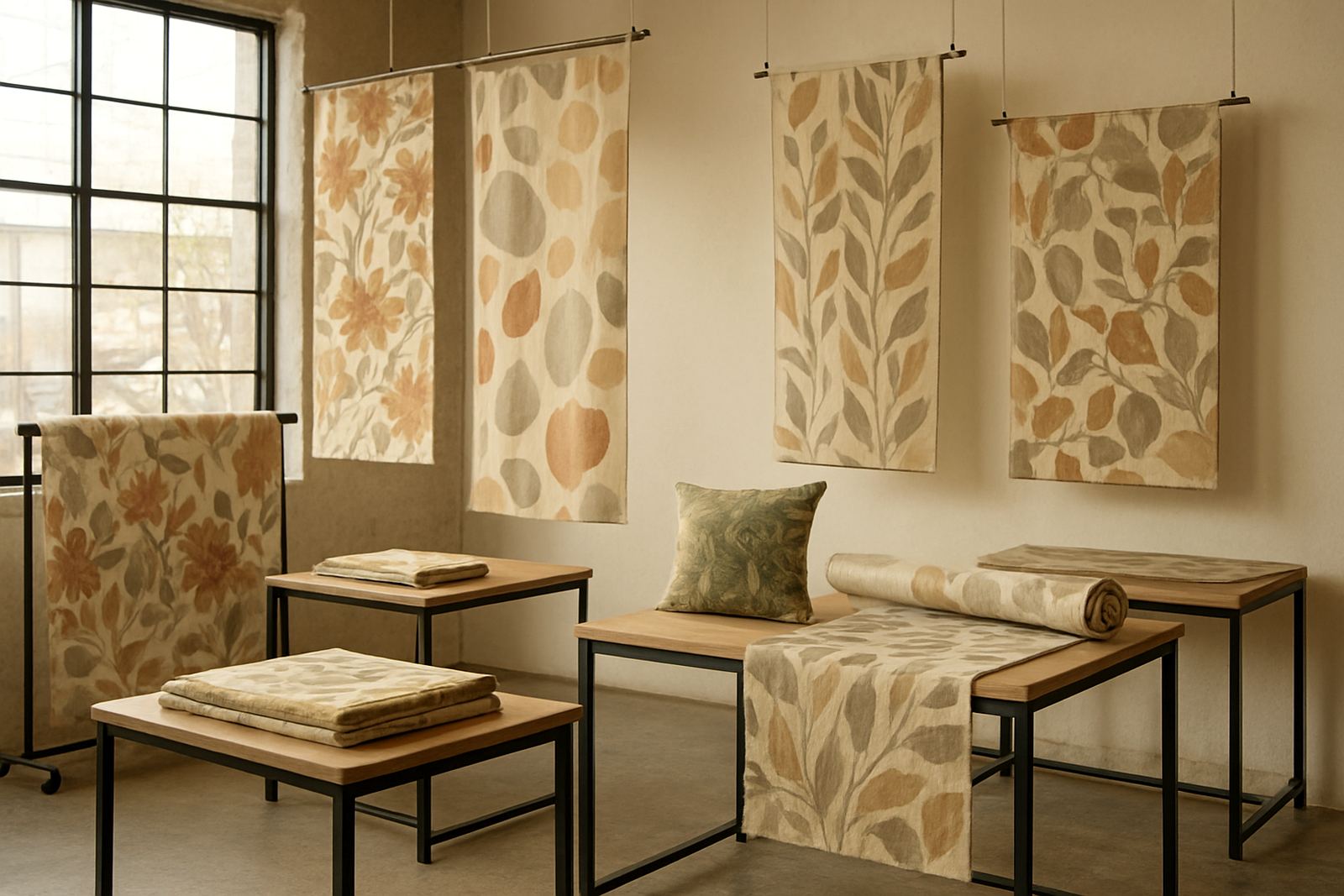
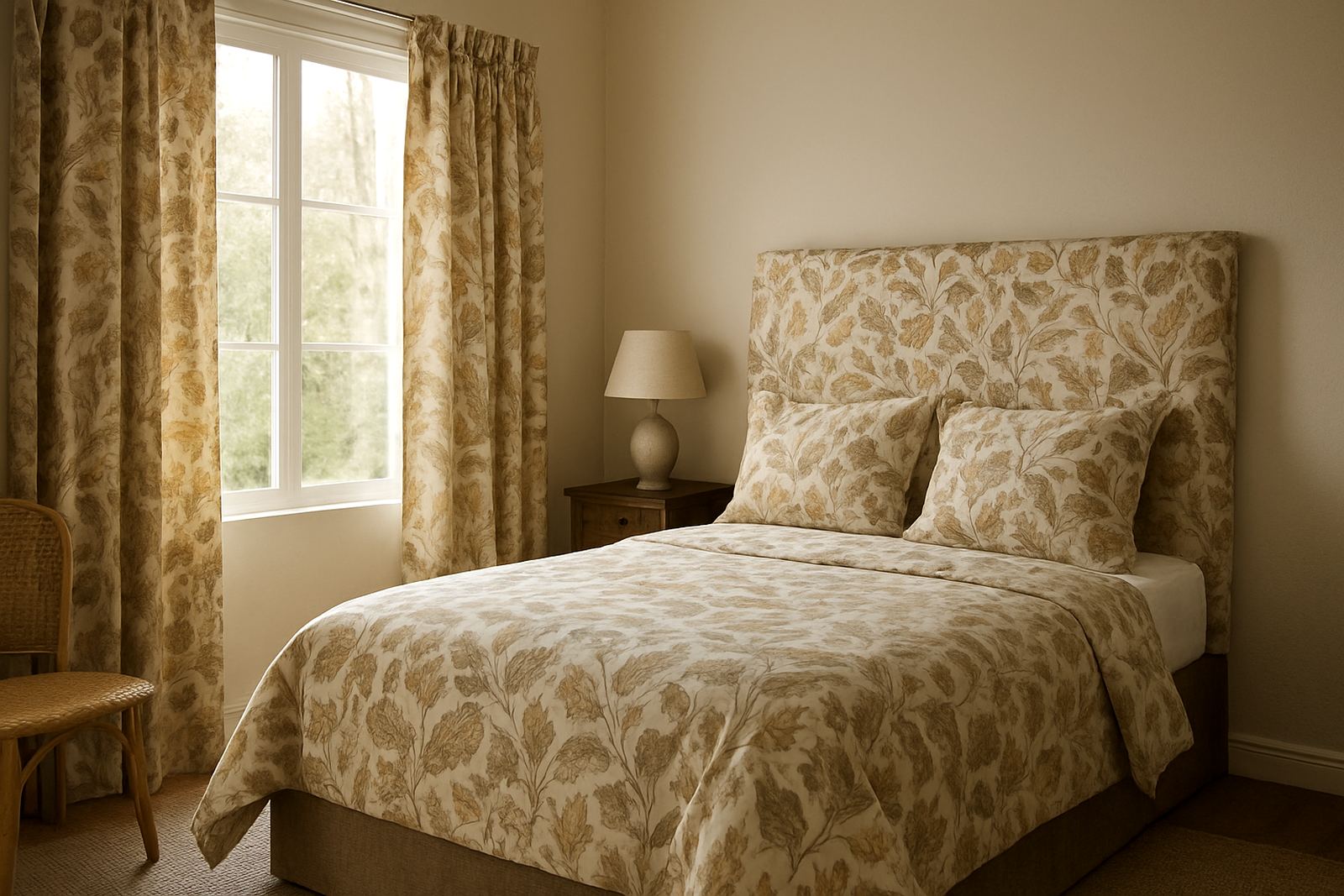
Typical guest house orders include curtains, cushion covers, light upholstery, headboard panels, table runners and feature flags for events or entrances. If you need a repeat pattern for all rooms, we can set that up so the look stays consistent across batches and future top-ups.
Typical print and finishing set for accommodation work
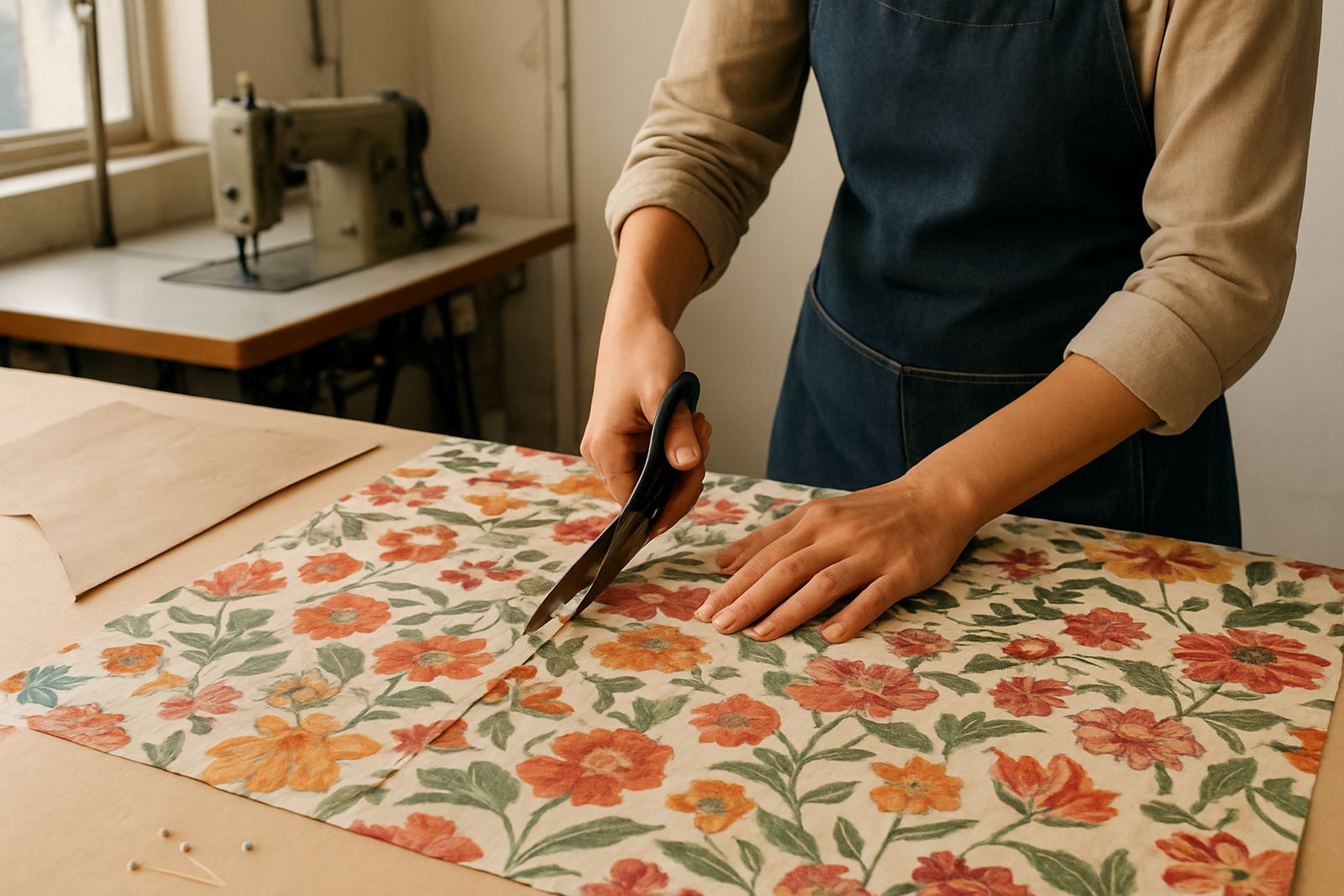
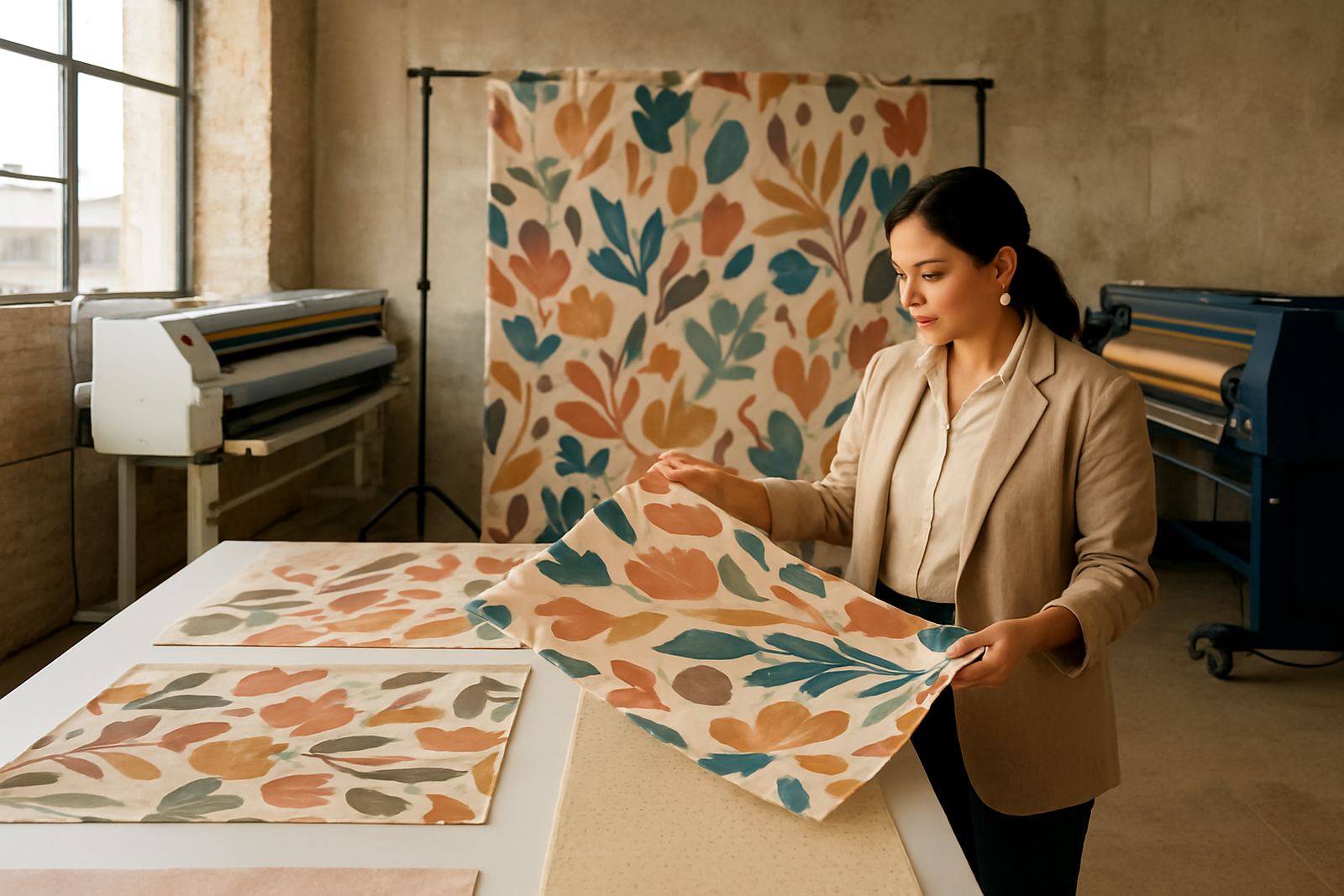
For most guest house projects the equipment set is straightforward but it needs to be handled carefully. We work with digital fabric printing for smaller runs, repeat pattern setup for room consistency, and finishing that matches the way the fabric will be used. If the job is for curtains or loose covers, hemming and edge finishing help prevent fraying and keep the final fit tidy.
Useful options for guest houses include:
- Custom fabric printing for bedroom and lounge soft furnishings
- Repeat pattern setup for matching rooms or suites
- Colour matching for existing decor and paint colours
- Strike-off sampling before a full run
- Fabric sourcing when you need a specific feel or weight
- Bulk print runs for multiple rooms
- Packing and courier for nationwide delivery
If your accommodation needs a quick turnaround before peak season, it helps to send artwork, sizes and fabric requirements in one go. That keeps file checking simple and reduces back-and-forth.
Planning the layout so rooms feel ordered, not crowded
Good guest house fabric planning starts with the room flow. Bedrooms usually need one hero element, such as curtains or a headboard panel, then one or two smaller pieces like cushions. In lounges, fabric should support the furniture rather than compete with it. Busy patterns can work well, but only when the room has enough plain surfaces to balance them out.
For properties with several room categories, it helps to build a fabric plan by function. For example, standard rooms may use one print, while suites get a stronger design or a slightly heavier fabric. This keeps the property looking coordinated without making every room identical.
- Measure curtains and soft furnishings after final furniture placement
- Allow for lining or block-out needs in bedrooms facing strong sun
- Use darker or patterned fabrics in high-traffic shared areas
- Keep spare metres aside for future repairs or added pieces
- Check how the print looks in both daylight and warm interior lighting
In Cape Town guest houses, especially near the Atlantic side, sunlight can be harsh and fading becomes a real issue. Choosing the right fabric weight and finish at the start saves money later.
Common mistakes that cost more later
One of the biggest mistakes is ordering too little fabric. Guest house owners often measure the main curtain drop and forget about returns, hems, pattern repeat and backup stock. Another common issue is choosing a print that looks nice online but becomes too dark or too busy once it is on the wall and in daily use.
Some properties also mix too many styles across rooms. That can make the place feel pieced together rather than planned. It is better to use one family of colours and vary the scale of the print, not the whole direction.
We also see files sent without checking for low resolution or cropped repeats. That causes delays and can affect the final finish. Our file checking service helps catch these problems before printing, which is useful when you are working around bookings and cleaners. Small mistakes in the artwork can become expensive once fabric has already been cut.
Budget ranges for guest house fabric work in Rand
Budgets vary a lot depending on fabric type, print size, finishing and whether you are doing one room or an entire property. As a rough working guide, small guest house refreshes can start from about R2 500 to R8 000 for a limited set of printed soft furnishings. A medium project covering several rooms and lounge items may fall in the R10 000 to R30 000 range.
Larger accommodation orders, especially where curtains, upholstery and repeat pattern runs are included, can run from R35 000 upward. Fabric sourcing, strike-off samples and specialist finishing will affect the final total. If you are comparing options, ask for pricing by metre and by item so you can see where the money is going.
For many guest houses it makes sense to phase the work. Start with the bedrooms that show most in photographs, then move to lounge areas and outdoor spaces once those are settled. That approach helps manage cashflow and keeps rooms trading while upgrades happen.
How Fabric Printers Studio handles guest house orders
We work from Ndabeni in Cape Town and supply guest houses across South Africa by courier. The process is practical: send through your sizes, photos, room list and fabric ideas, then we help with the print plan, sampling and final production. If you already have a fabric in mind, we can work from that direction. If not, we can help decide what suits the room use and budget.
Our team handles the detail from start to finish, from colour matching and repeat setup through to packing. That is useful for owners and managers who need one supplier to keep the project moving. It also helps when you are dealing with maintenance cycles, wash days and guest turnover, because replacements can be ordered again later with the same design notes.
We work with clients in Ndabeni, Woodstock, Salt River, Observatory, Montague Gardens and Century City, and courier fabric nationwide. For guest houses, that means less running around and more time focusing on the rooms that need to earn their keep.