When the brief needs more than off-the-shelf fabric
For many interior projects, the fabric is what pulls the room together. A lounge in Clifton may need soft curtaining with privacy in the day, while a guesthouse in Stellenbosch might need upholstery that can handle frequent use and still look clean after laundering. Fabric Printers Studio supports designers who need custom print work, whether the order is for one show apartment or a full hospitality fit-out.
The team in Ndabeni handles small batch printing and bulk print runs, with support for repeat pattern setup, colour matching, strike-off sampling and finishing. That means you can test a concept before you commit, then order the metreage you actually need. It also helps when a client wants a fabric no one else has, but still expects proper colour control and a practical lead time.
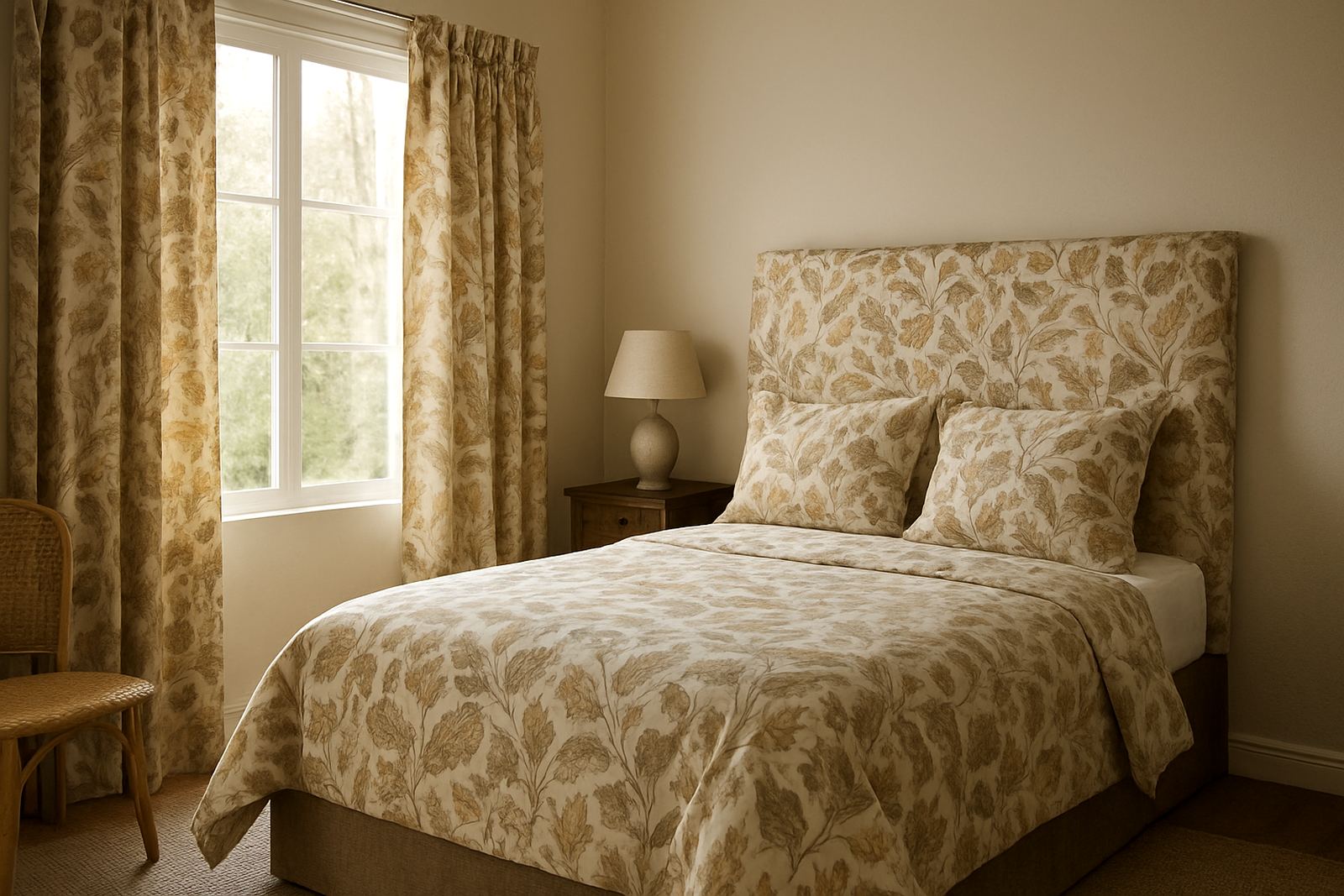
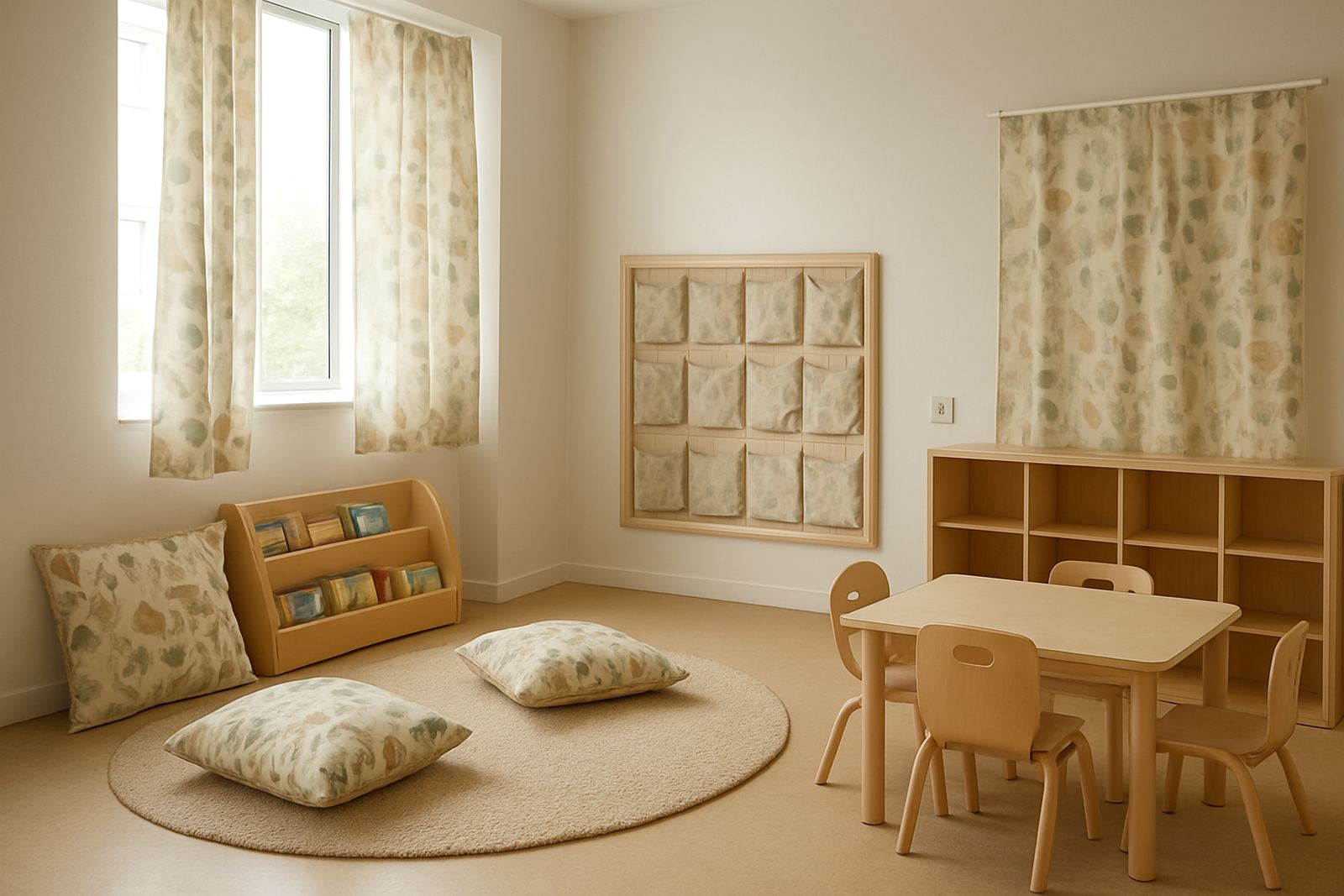
- Residential curtains, scatter cushions and upholstery panels
- Hospitality fabrics for lobbies, suites, dining rooms and reception areas
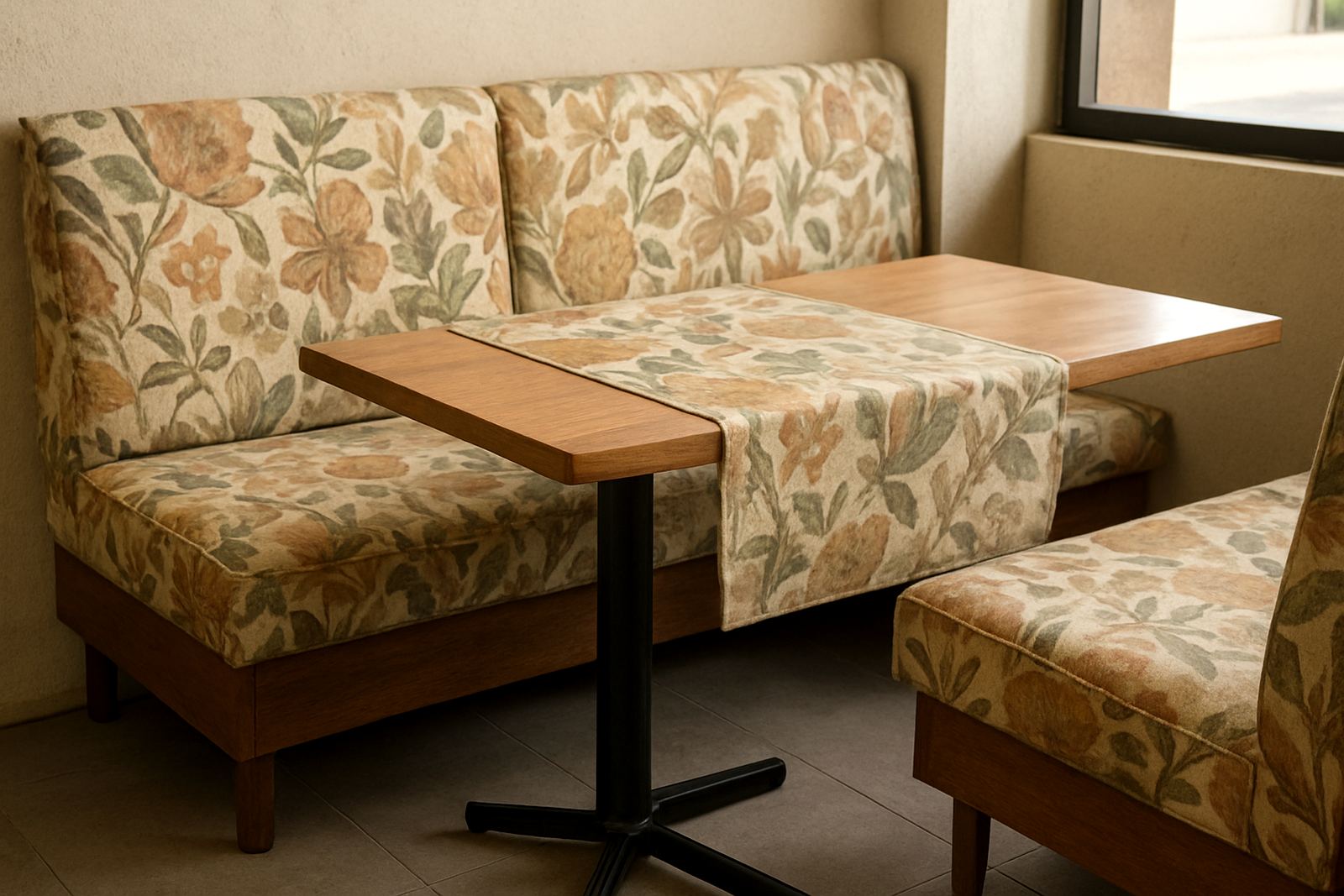
- Custom textiles for statement chairs, headboards and feature walls
- Courier delivery to Cape Town, Gauteng, KwaZulu-Natal and other regions nationwide
Typical project set-up for interior work
Interior designers usually come in with a clear moodboard, a colour story and a list of applications. The practical part is matching that idea to a fabric that prints well and performs in use. A sheer curtain for a coastal apartment in Muizenberg will behave differently from an upholstery fabric in a busy family home in Rondebosch, so the end use matters from the start.
Common print choices include natural-feel base cloths for curtains, heavier textiles for upholstery and versatile fabric by the metre for mixed applications. If the brief involves fitted curtains, the team can assist with hemming and finishing after printing. For hospitality work, it is worth planning for extra yardage, especially where pattern repeats need to match across wide spans or multiple rooms.
- Base cloth selection for curtains, upholstery or décor accessories
- Pattern placement checks before the first full run
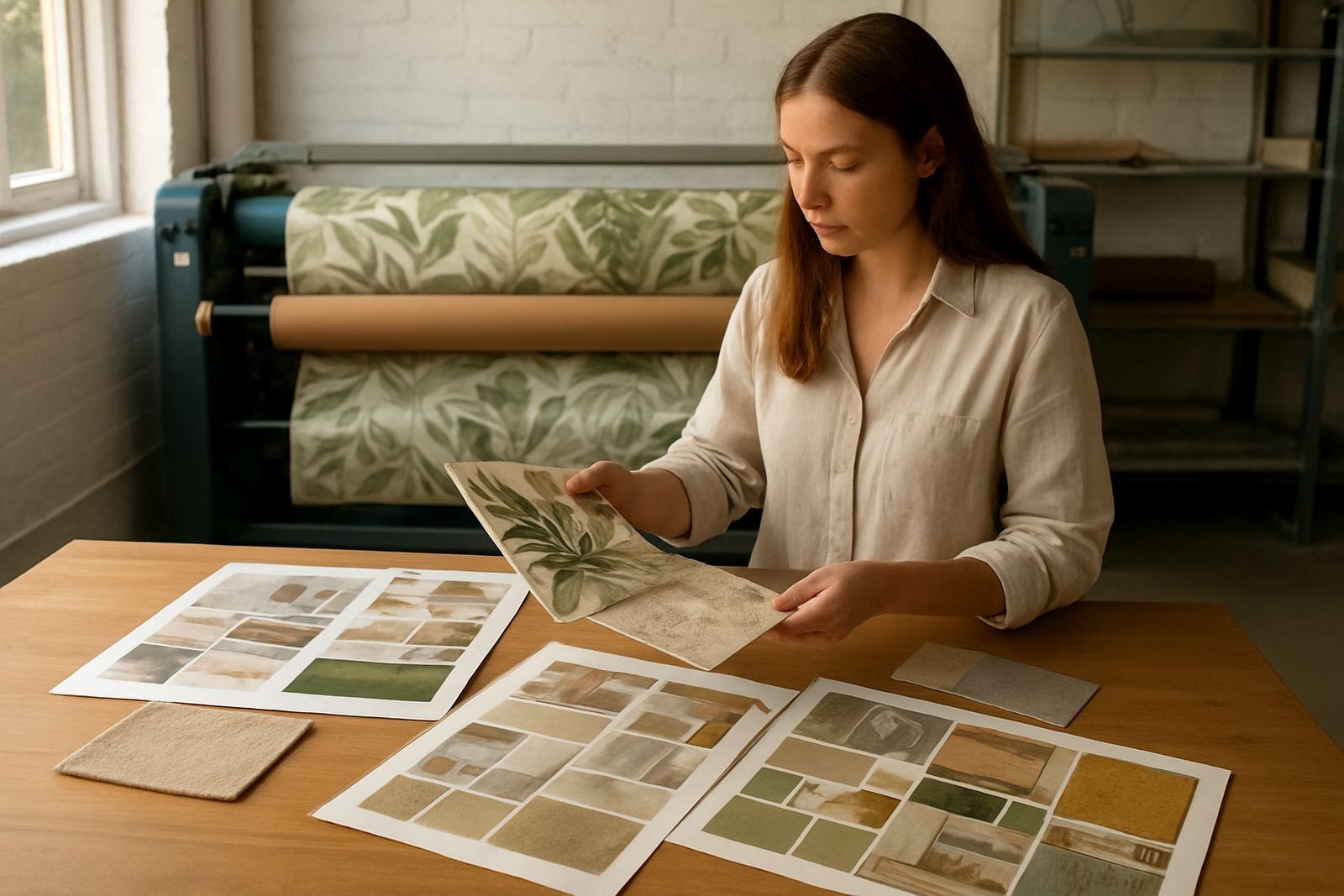
- Strike-off sampling for colour, scale and repeat approval
- Packing and courier once the fabric is ready for site or workshop use
Planning layout and pattern placement before print
Good planning saves money later. If a design has a large motif, stripes or a directional repeat, the layout must suit the cut list and the furniture dimensions. A dining chair recovered in a bold print can look beautiful, but only if the motif lands in the right place on each seat. The same applies to curtains where the pattern needs to flow from panel to panel without awkward breaks.
Fabric Printers Studio works with repeat pattern setup and file checking before production starts. That is useful when you are balancing scale, seam placement and the final look in the room. It also helps with mixed orders, for example when one print must be used for cushions, headboards and drapery in different quantities.
For designers working across several sites, it helps to separate the brief into practical sections: room, application, metreage, finish and deadline. If you need a quick room mock-up for client sign-off, ask for a strike-off first. It is far cheaper to adjust a colour or repeat now than to discover the issue after a full print run.
Common mistakes we see on interior orders
The most expensive errors are often simple ones. A designer may approve a colour on screen that prints too warm in the actual light of the room. Or the pattern scale may look fine on a sample but feel too busy once the fabric covers a large sofa or a hotel headboard. In Cape Town especially, light changes from morning to late afternoon can alter how a colour reads, so samples are worth the time.
Another common issue is under-ordering. Once fabric is cut, you cannot easily chase the same outcome from a later reprint if the batch has shifted slightly. That is why we advise keeping a buffer on project quantities, especially for hospitality rooms, rental properties and phased renovations. Small mistakes in the file can also show up in print, so file checking before production is not optional.
- Using screen colour only, without a printed sample
- Ignoring pattern repeat when calculating metreage
- Not allowing extra fabric for hems, joins and wastage
- Leaving approvals too late and pushing the install date
Budget ranges for designers working in Rand
Budgets vary depending on cloth type, print coverage, order size and whether you need sampling, finishing or sourcing. As a rough working guide, a small design test or strike-off may start from a few hundred Rand, while a short custom run for cushions or accent pieces can sit in the low thousands. Larger curtain or upholstery orders can move into the tens of thousands, depending on the cloth and total metreage.
For residential work, many designers prefer to separate the order into three parts: sampling, production and finishing. That keeps approval costs low and gives the client a clearer picture of what is being spent. For commercial interiors, bulk print runs normally make more sense because the per-metre rate becomes easier to manage once the quantity goes up.
As a practical guide, keep room refresh projects flexible and expect more variation where special finishing is required. Coastal humidity, sunlight and heavy use can also affect the recommended fabric choice, so a cheaper textile is not always the better buy if it needs replacing in a year.
Residential and hospitality timelines from Ndabeni
The Ndabeni base makes it easy to work with Cape Town studios in Woodstock, Salt River, Observatory, Century City and Montague Gardens, while courier support covers the rest of the country. If you are coordinating with installers, upholsterers or curtain makers, tell us the site deadline early. Load-shedding can still affect production timing across the city, so planning ahead is important.
For many interior jobs, a realistic timeline includes artwork check, sampling, print production, finishing and dispatch. Short lead times are possible on simpler orders, but the most reliable projects are the ones where the designer builds in a few days for approval and transport. That gives everyone room to sort out measurements, colour questions and any last-minute client changes.
How interior designers usually work with us
Designers often come with a concept and need a supplier who can translate it into fabric without losing the original idea. Fabric Printers Studio supports that process with clear checking, practical advice and proper dispatch. You can send through a moodboard, a sketch, a print-ready file or a reference sample, then work through the next steps with the production team.
For busy studios, the advantage is having one point of contact from concept to courier. That keeps the communication clean when there are multiple rooms, multiple fabrics and different finishing requirements. It also makes reorders easier when a scheme needs to be repeated in another property or a sister site.
- Initial brief and sizing details
- Colour matching or strike-off approval
- Print run, finishing and final packing
- Courier to site, workshop or client address
Fabric that looks right in a studio sample book still has to work in a real room. That is where measured planning and proper print support make the difference.