Right base cloth for the right job
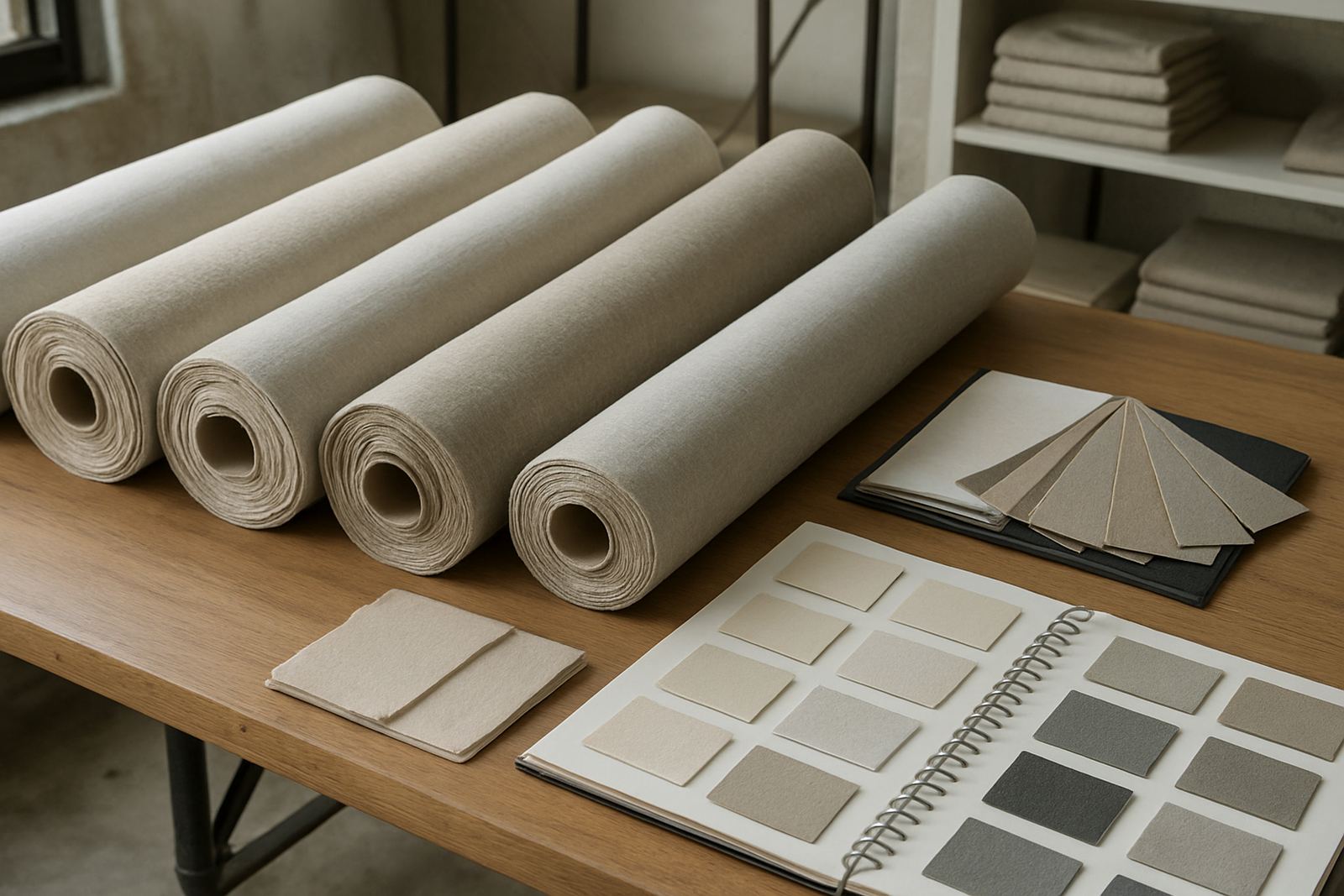
Fabric sourcing starts with the end use, not the print file. A curtain panel needs a different cloth to a market flag, and upholstery needs a heavier base with better wear tolerance than fashion yardage. We look at the brief, the room or product, the amount of handling it will take, and whether the item must hold colour outdoors, near coastal humidity, or under frequent washing.
For Cape Town projects, especially in areas like Ndabeni, Woodstock, Salt River, Observatory, Montague Gardens and Century City, we often advise on cloth that handles local conditions well. That can mean a tighter weave for cleaner detail, a softer drape for window treatments, or a heavier construction for furniture covers and scatter cushions. If a client already has a base fabric in mind, we check whether it will take the print clearly and whether shrinkage, curl or fibre movement will affect the result.
- Natural and blended cloth options for home, fashion and display use
- Weights from light sheer styles through to heavier upholstery grades
- Advice on fibre content, weave, stretch and print finish
- Practical guidance for indoor, outdoor and high-touch applications
What we source and check before printing
We work with suitable base fabrics for custom curtains, fashion lengths, soft signage, event use and furnishing projects. The focus is on finding a cloth that prints cleanly, matches the use case and fits the budget. A good source can reduce waste, improve colour consistency and save time during production.
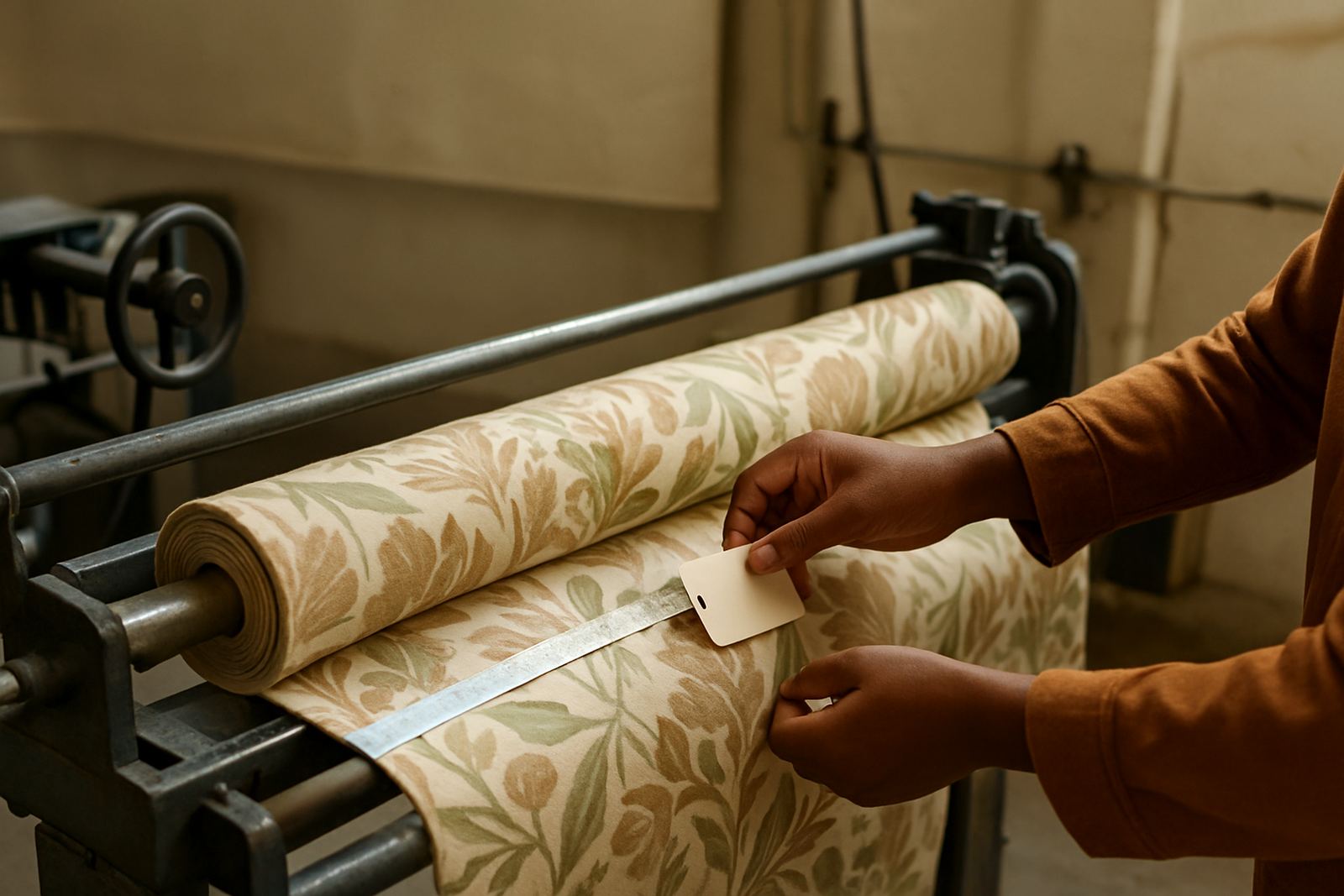
Before we place or approve a source, we check the fabric width, composition, weight and expected behaviour during print and after care. If the cloth is prone to movement, we allow for this in repeat pattern setup and final cutting. We also look at whether the base needs pre-treatment, a specific finishing method, or extra attention after wash testing.
- Fabric width checks, commonly 1.4 m to 1.6 m depending on the product
- Guidance on gsm where weight matters for drape or durability
- Compatibility checks for repeat designs, full-coverage artwork and edge-to-edge print
- Advice on shrinkage allowance and post-print finishing
How the sourcing process works
The process is practical and straightforward. We begin with the project brief, including the item type, quantity, dimensions and intended use. From there we suggest suitable cloth options and can source base fabric that fits the purpose. For some jobs, clients already have an approved textile supplier and only need our print input. For others, we manage the cloth selection from the start.
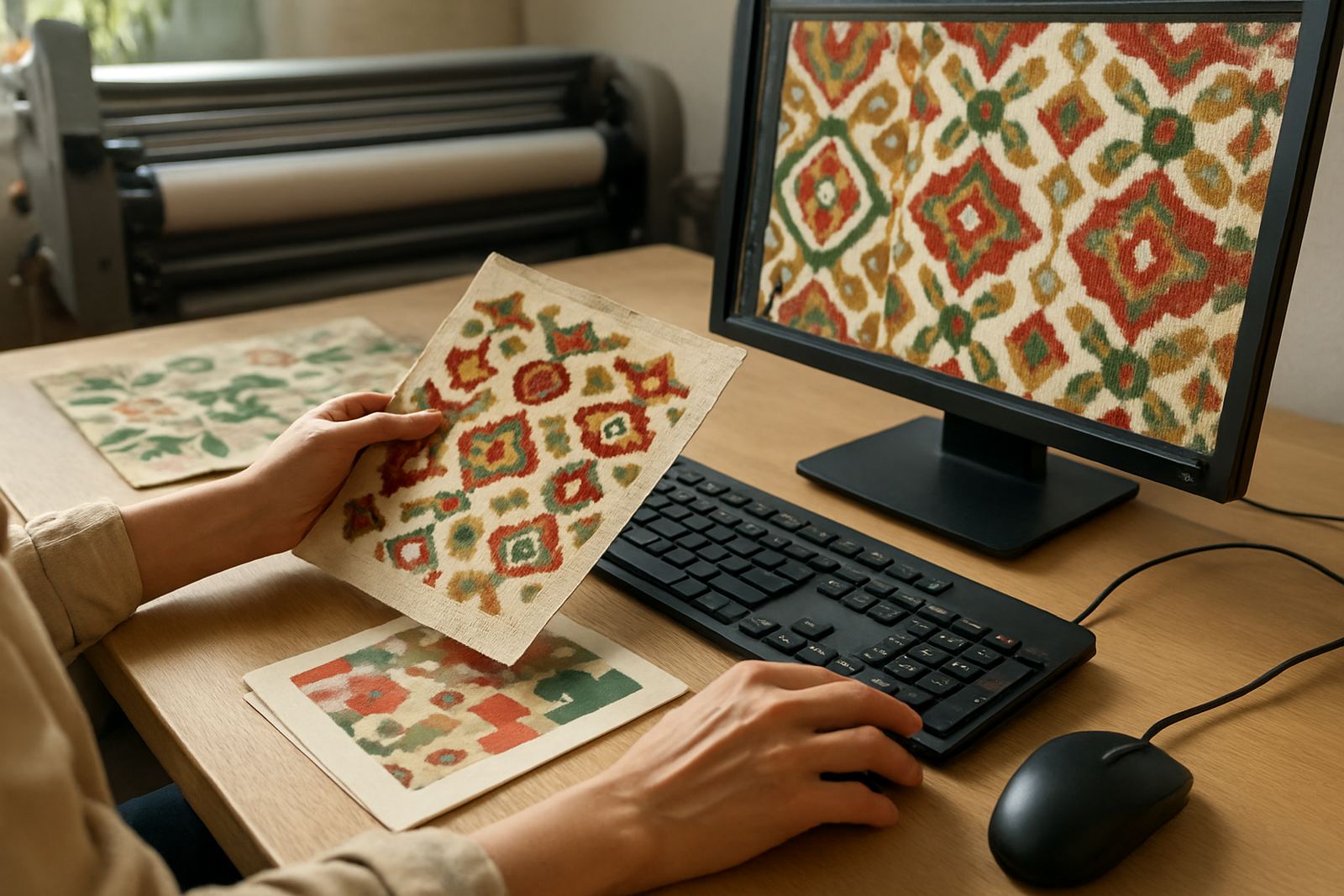
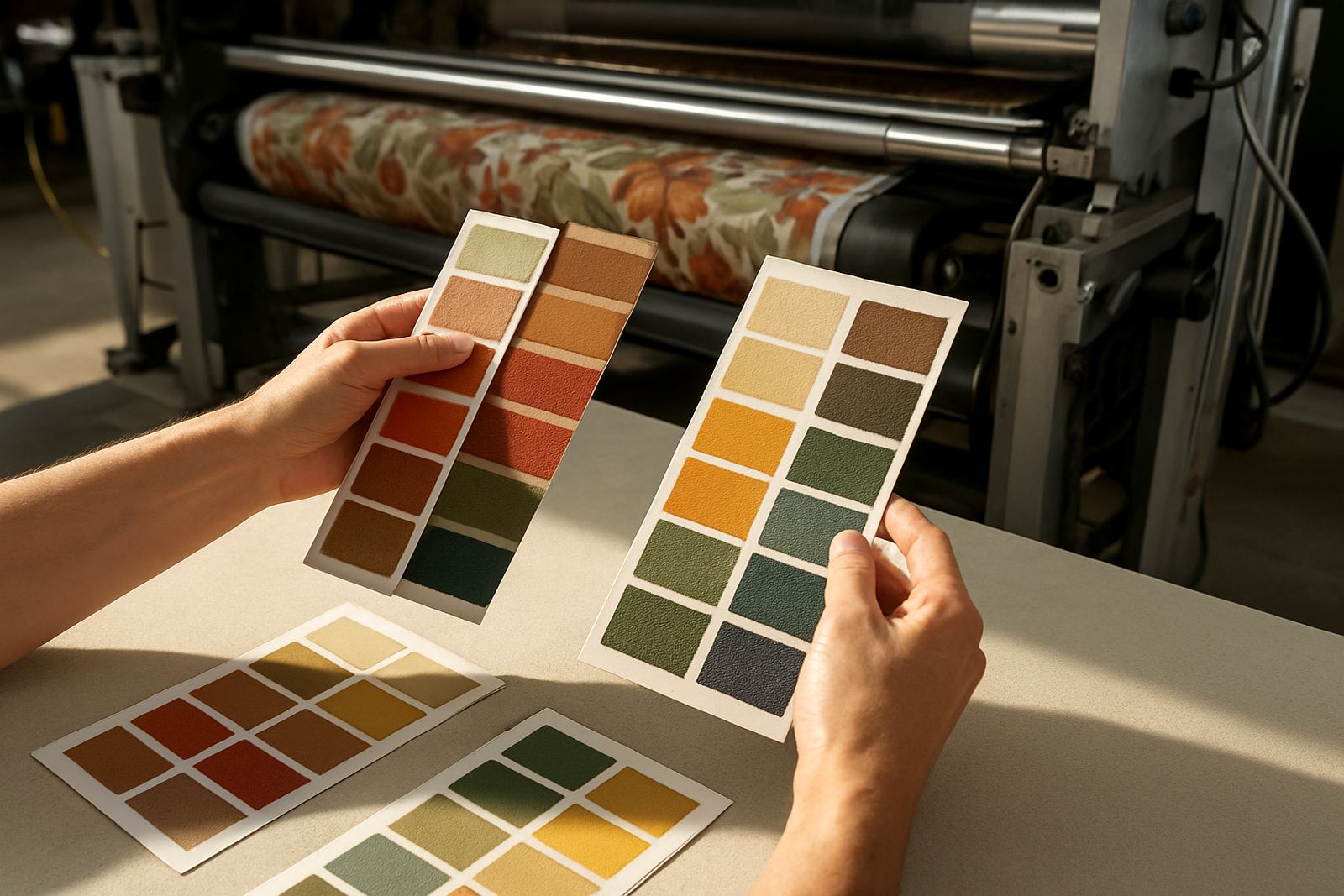
Once a base is chosen, we confirm print method, expected hand feel and any finishing needs. If required, we can arrange a strike-off sample so the client can assess colour, texture and coverage before a full run. This is useful when matching an existing shade or when a project has strict design requirements. It also helps avoid nasty surprises later on.
- Step 1: Share the brief, measurements and target use
- Step 2: Receive fabric recommendations and sourcing options
- Step 3: Approve a sample or strike-off where needed
- Step 4: Print, finish, pack and courier the final order
Turnaround times and lead planning
Turnaround depends on the fabric type, whether stock is already available, and how quickly approvals are returned. Simple sourcing for a known cloth can move fast, while a specialised base may take longer to locate and confirm. If the order includes sampling, repeat setup or finishing work, those steps are added into the timeline.
For local Cape Town orders, quicker handover is often possible when the base fabric is already suitable and the file is ready. Nationwide courier orders need a little more planning, especially when the job is time-sensitive or when the project depends on a specific dye lot. We always recommend building in a little buffer for sourcing and sampling, particularly for bulk runs or fixed installation dates.
As a guide, smaller sourcing jobs may be ready in a few working days once approved, while larger or more specialised requirements can take longer. We will always say up front if a fabric is likely to affect your schedule.
Pricing that follows the fabric and the brief
Fabric sourcing is priced according to the cloth selected, the amount required, the complexity of the brief and any extra handling involved. A plain, commonly available base cloth is usually more economical than a specialist textile with a specific weave, finish or performance requirement. Bulk quantities can lower the per-metre cost, while short runs may carry a higher unit rate.
We quote clearly before work starts so clients know what is included. That can cover the source fabric itself, checking, sampling, print preparation, hemming and finishing, packing and courier where needed. If the brief changes after approval, we rework the quote so there are no surprises. A careful source often saves money later by reducing failed prints and re-dos.
- Costs depend on cloth type, quantity and sourcing difficulty
- Sampling and strike-off work are quoted separately where needed
- Courier can be added for Cape Town or nationwide delivery
- Bulk orders are priced differently from small batch jobs
Care, washing and maintenance intervals
Good maintenance starts with choosing the right cloth, but care after production matters too. For printed curtains and fashion fabrics, we advise gentle washing, low heat where suitable and avoiding harsh chemicals that can lift colour or damage the base fibres. Upholstery and high-use items need regular vacuuming and spot cleaning so grime does not settle into the weave. Outdoor or display items may need more frequent inspection, especially in windy or coastal areas.
As a rule, inspect high-use printed items every 3 to 6 months for wear, loose stitching or fading. Curtains in homes near the sea may need a closer look because salt air and sunlight can age fabric faster. If a project is for a business, event venue or retail space, regular maintenance helps the print stay neat and presentable, and avoids costly replacement before time.
- Wash only as recommended for the selected fibre and print type
- Air dry where possible to protect colour and shape
- Check hems, seams and friction points every few months
- Store spare lengths in a dry, shaded place, rolled if possible
Who uses this service in Cape Town and beyond
We assist homeowners, interior decorators, small labels, event teams and businesses that need printed fabric for a specific purpose. Some clients come to us with a curtain room plan or a fashion collection. Others need flags, exhibition graphics or furnishing fabric that can cope with daily use. Because we courier fabric nationwide, the service is not limited to the Cape Town area.
Our Ndabeni base is convenient for nearby clients in Woodstock, Salt River, Observatory, Montague Gardens and Century City, but many orders are completed for clients further afield as well. The key is matching the cloth to the brief properly from the start. That way the final product looks right, lasts better and is less likely to need rework. If you are not sure what base fabric is best, we can help narrow it down before you place the order.
Key facts
| Service name | Fabric Sourcing |
|---|---|
| Base | Ndabeni, Cape Town |
| Coverage | Cape Town collection and nationwide courier |
| Typical fabric widths | 1.4 m to 1.6 m depending on stock |
| Order sizes | Small batch to bulk print runs |
| Related finishing | Hemming, packing and courier available |