Short runs that still need proper finish
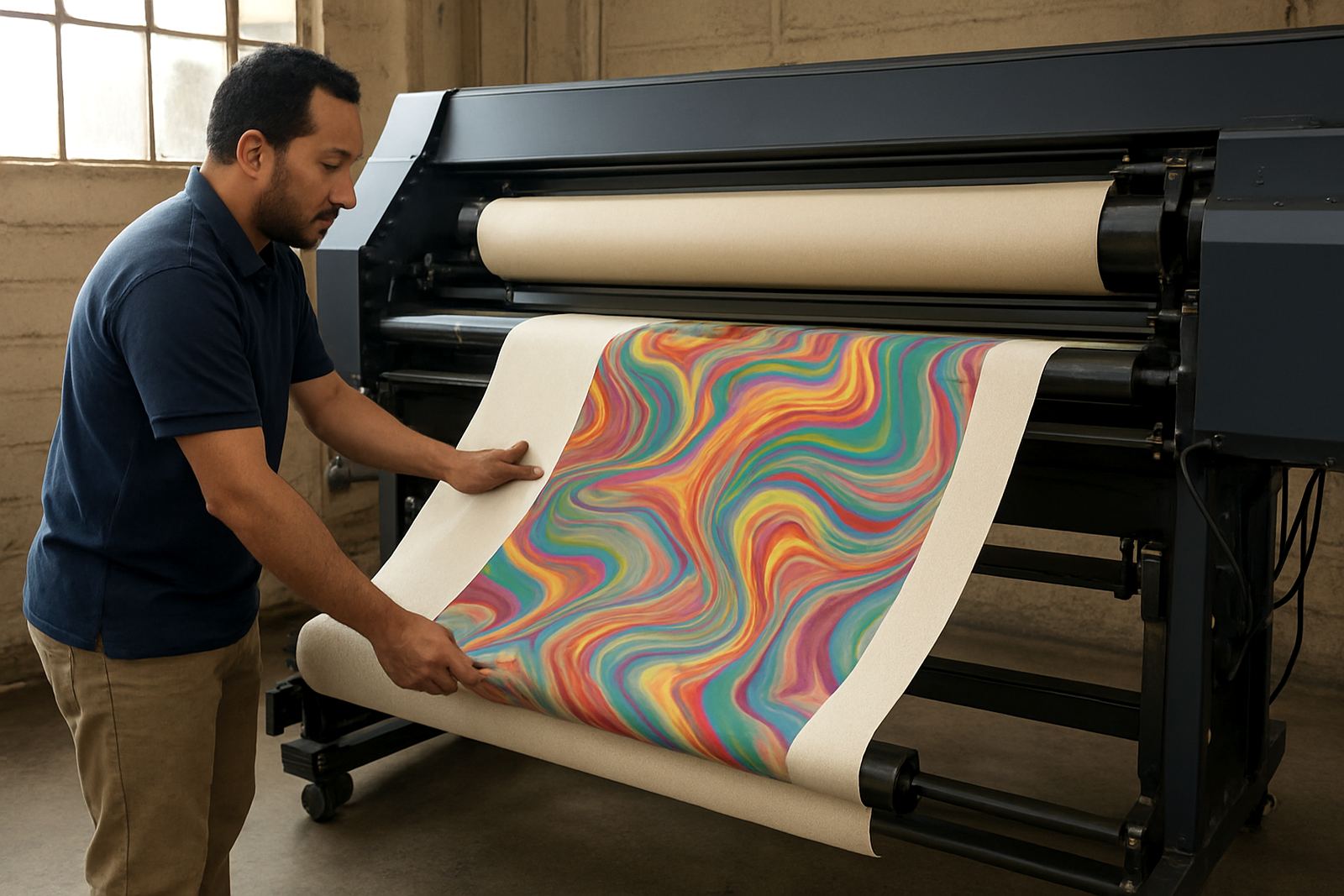
Small batch printing suits orders from 1 metre up to around 50 metres, depending on the fabric and repeat. It is useful for strike-offs, product testing, seasonal launches, market stock and limited edition ranges. You get the same file checking, colour handling and finishing care as a larger run, just without the pressure to commit to bulky quantities.
We work with fabric that can be used for curtains, cushions, soft furnishings, light upholstery, fashion items and promotional pieces. If you need a few metres for a sample room or a low-volume retail drop, we can guide you on the best cloth weight and print method for the job.
- Runs from 1 to 50 metres are common
- Suitable for sampling and low-volume selling
- Good for launches, prototypes and custom gifts
- Practical for makers in Cape Town and nationwide
What is included in a small batch order
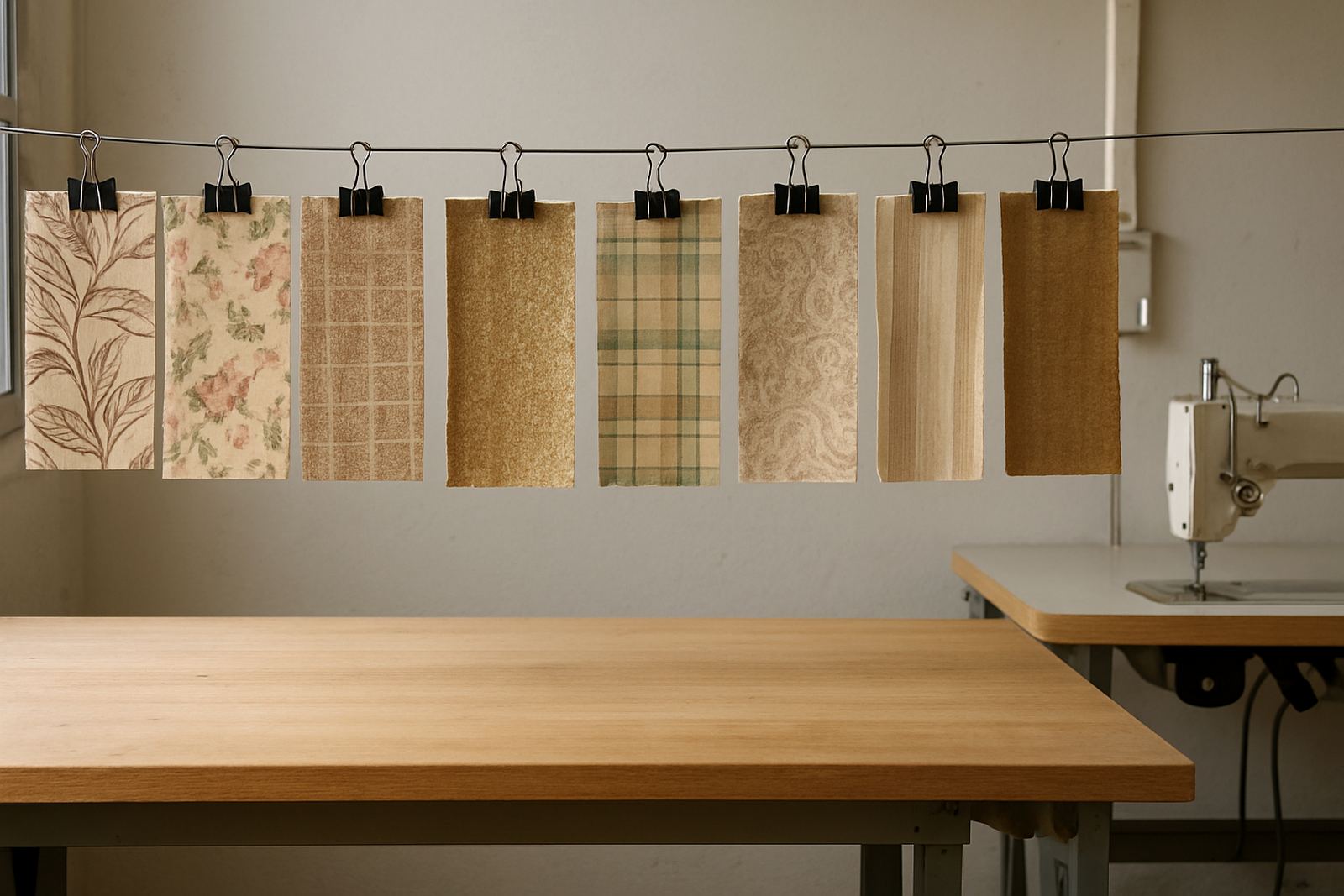
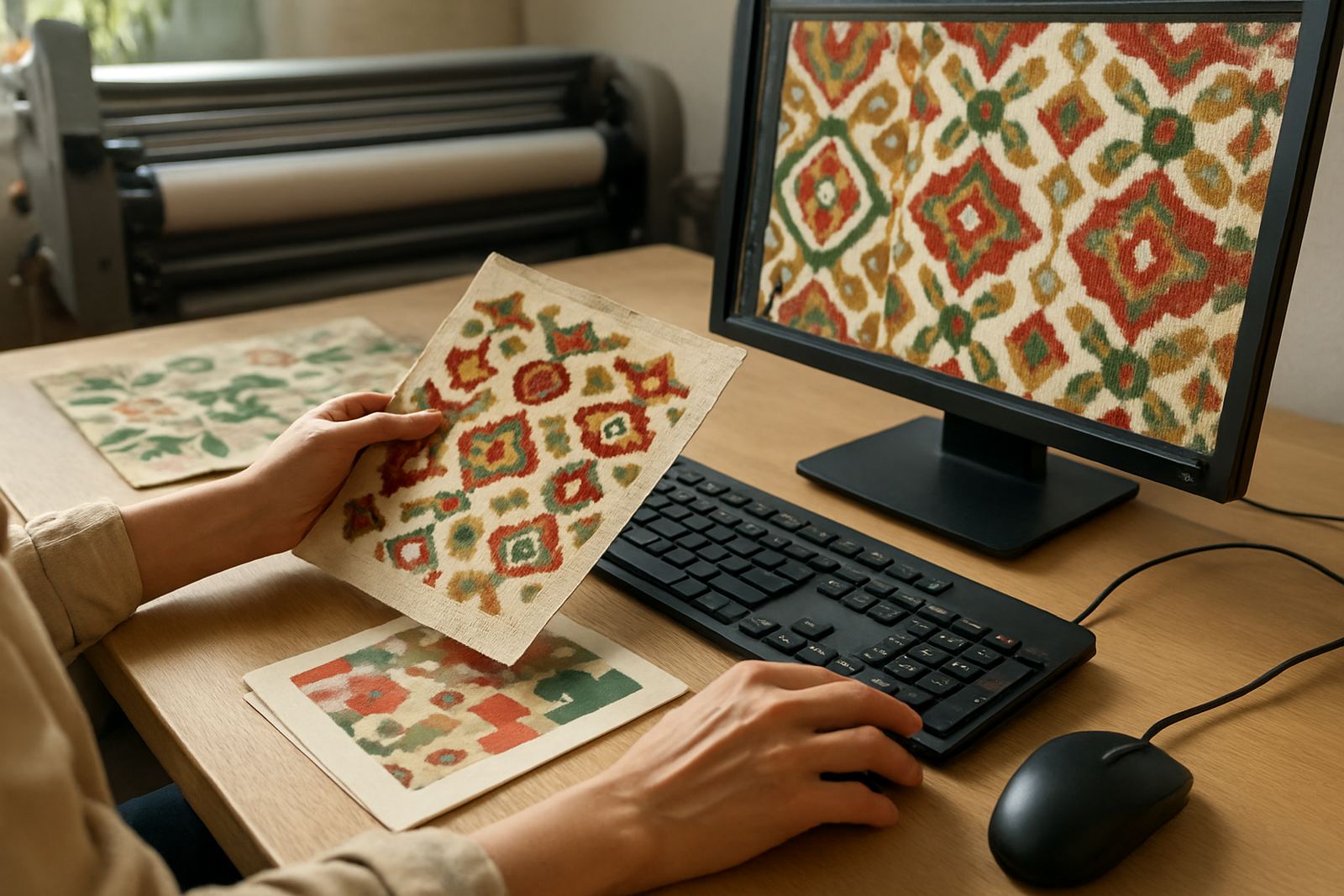
Each order is checked before it goes to print. We look at artwork quality, repeat size, colour references and the intended use of the fabric. If your artwork needs a repeat pattern setup, that can be done before printing starts. We also handle colour matching where the brief allows it, and we can prepare a strike-off sample when you need to see the fabric before approving the full run.
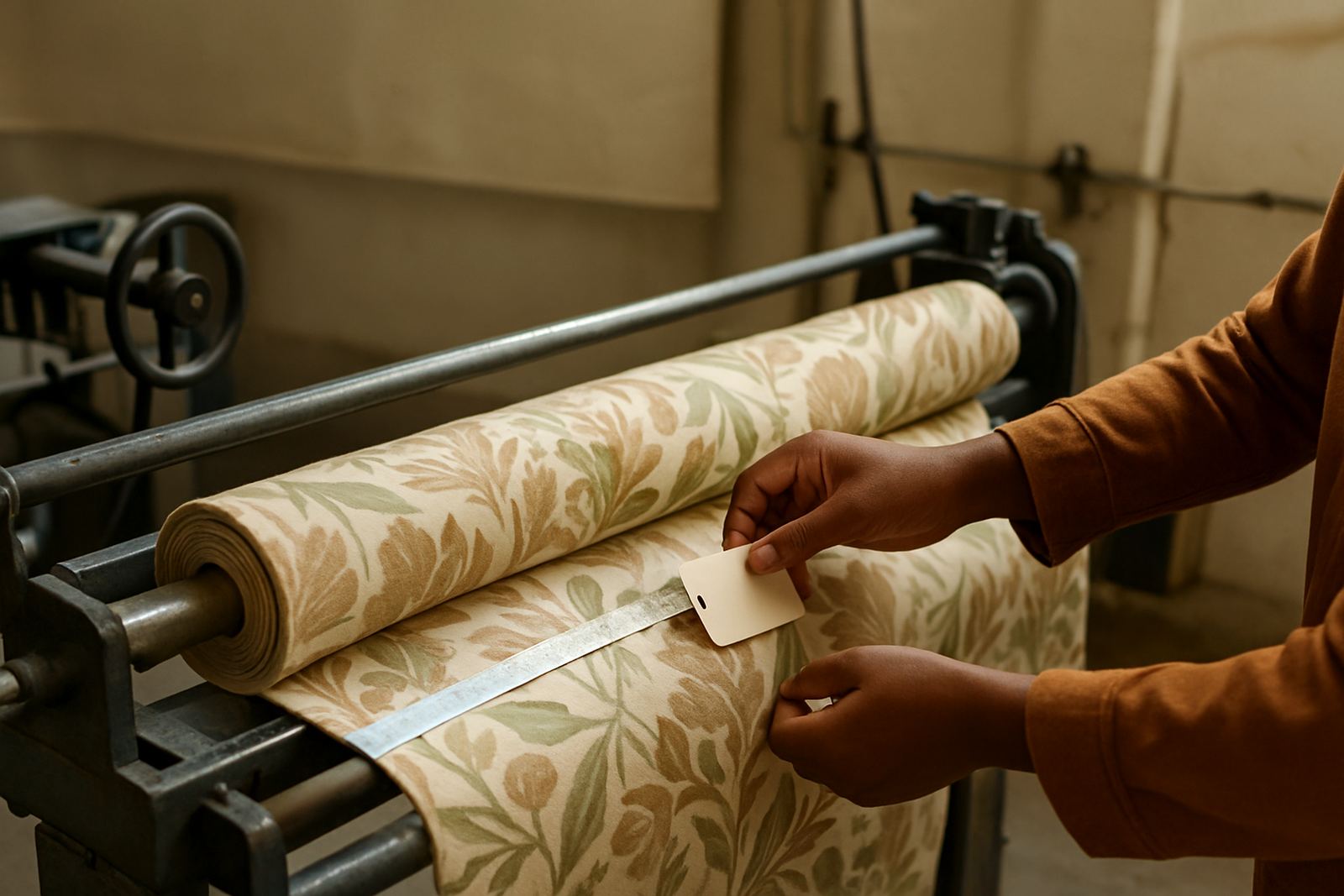
Small batch work can include hemming and finishing on selected items, plus careful folding, packing and courier. If you are printing for clients or for a shop floor display, we keep the edges tidy and the roll or folded finish practical for handling.
- File checking and print readiness review
- Repeat pattern setup where needed
- Colour matching against supplied references
- Strike-off sampling for approval
- Hemming and finishing on suitable items
- Packing and courier across South Africa
How the process works in Ndabeni
Most jobs start with your artwork, fabric choice and desired quantity. Once we have the details, we confirm whether the file is ready or needs adjustment. If the print is for a launch or sample, we often suggest a strike-off so you can check the look on the actual cloth before the main run. That saves time and avoids costly reprints.
After approval, the batch is printed, dried and checked for quality before any finishing is done. Turnaround depends on fabric type, artwork complexity and queue length, but smaller runs are usually quicker to move through the shop than bulk work. For straightforward jobs, allow 3 to 7 working days. More detailed work, or orders waiting on sourcing and sampling, can take longer.
- Send artwork and quantity first
- We check file quality and print setup
- Optional strike-off sample for approval
- Print, dry, inspect and finish
- Courier or collection from Ndabeni
Pricing for short runs and samples
Small batch pricing is worked out per metre, but the setup effort and finishing time also matter. A short run often carries a higher per-metre rate than a larger order because the machine setup, testing and handling are spread over fewer metres. If your design needs repeat adjustment, colour matching or special finishing, that is added into the quote upfront so there are no surprises.
We keep pricing practical for makers, interior projects and brand launches. If you are comparing options, ask for pricing across a few quantities because 10 metres, 20 metres and 50 metres can land in different price bands. That helps you plan stock properly and avoid a second order too soon.
Good times to choose a small batch
Short-run printing is handy when you are testing a market, changing a design for summer or winter, or making a one-off product for a client. It is also the right call when you need to manage cash flow carefully. If you are producing for Cape Town humidity near the coast, or for homes that get strong sunlight, we can suggest fabrics and print options that suit the end use better.
Many of our clients use small batch work for:
- Sample rooms and product approval
- Interior refreshes and curtain trials
- Limited edition fashion or homeware lines
- Event branding and launch items
- Test orders before a bulk print run
Care, reordering and maintenance intervals
Printed fabric keeps best when it is washed and stored correctly. For home use, we normally suggest a gentle cool wash and avoiding harsh bleach. If the fabric will be in regular use, like cushions, seat covers or display items, check it every few months for wear at seams, fading and stress points. For curtains and light furnishings, a 6 to 12 month check is sensible, especially in sunny rooms or coastal homes where moisture and salt can affect the finish over time.
When you need to reorder, keep your final approved file, Pantone or visual colour reference, fabric type and quantity notes. That makes repeat printing faster and helps us keep the next batch close to the first one. If a design has sold well, we can also advise on whether to move from a short run into a bigger batch to lower the per-metre cost.
- Wash gently and avoid harsh chemicals
- Inspect seams and high-wear areas every 6 to 12 months
- Store flat or rolled, away from direct sun
- Keep final artwork for easier reordering
Key facts
| Minimum run | From 1 metre, depending on fabric and design |
|---|---|
| Typical run size | 1 to 50 metres for most short-run jobs |
| Turnaround | Usually 3 to 7 working days after approval |
| Location | Ndabeni, Cape Town with courier nationwide |
| File support | Artwork checking, repeat setup and colour guidance |
| Finishing options | Hemming, folding, packing and courier |