Why a strike-off saves time and fabric
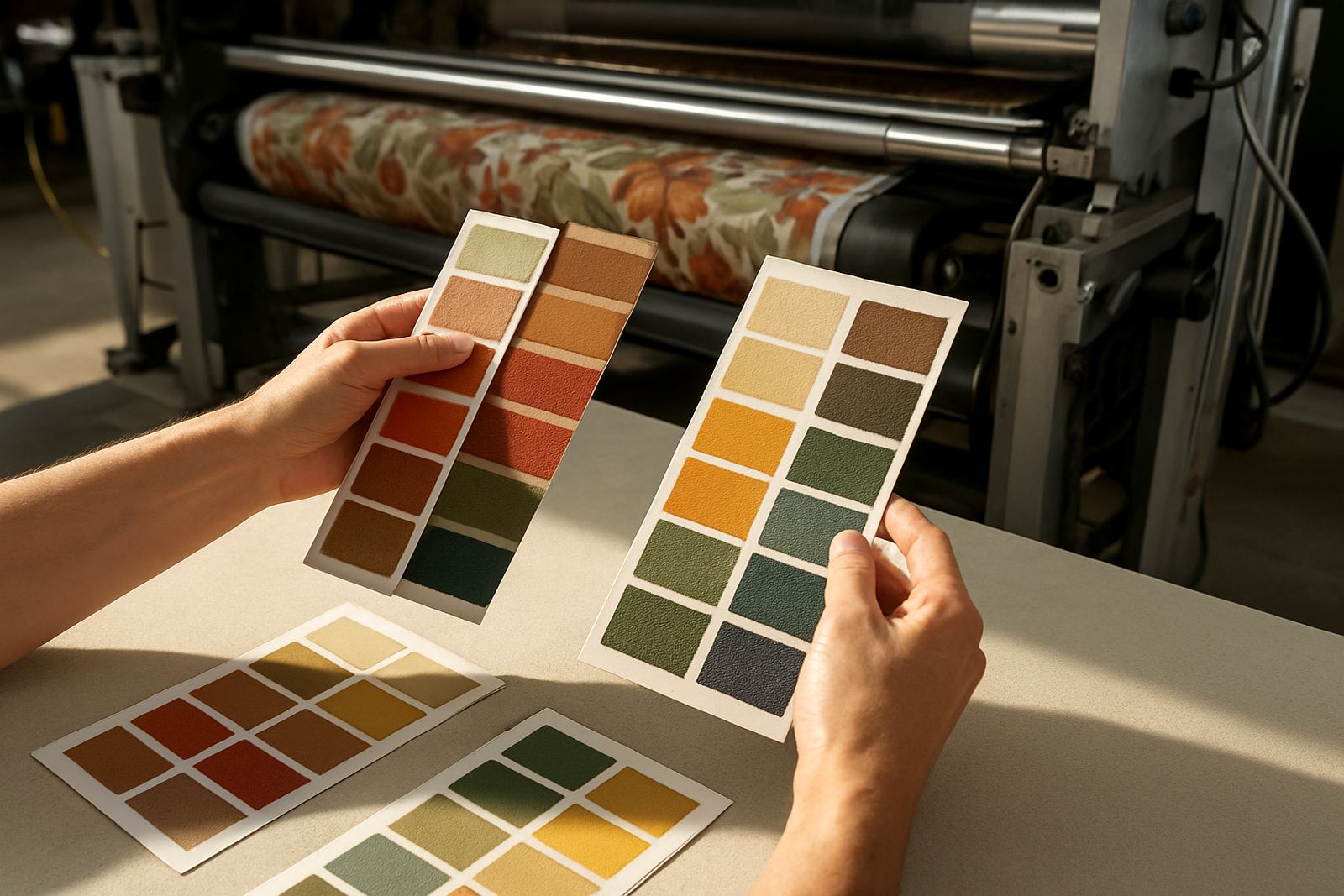
A strike-off is a short print run on your chosen fabric, usually a sample piece large enough to check the artwork properly before you commit to a bigger order. It shows how the design sits on the cloth, how fine details hold, and whether the scale feels right in real light. For projects in Cape Town, Johannesburg, Durban or smaller towns, this is often the simplest way to lock in the right result before bulk printing.
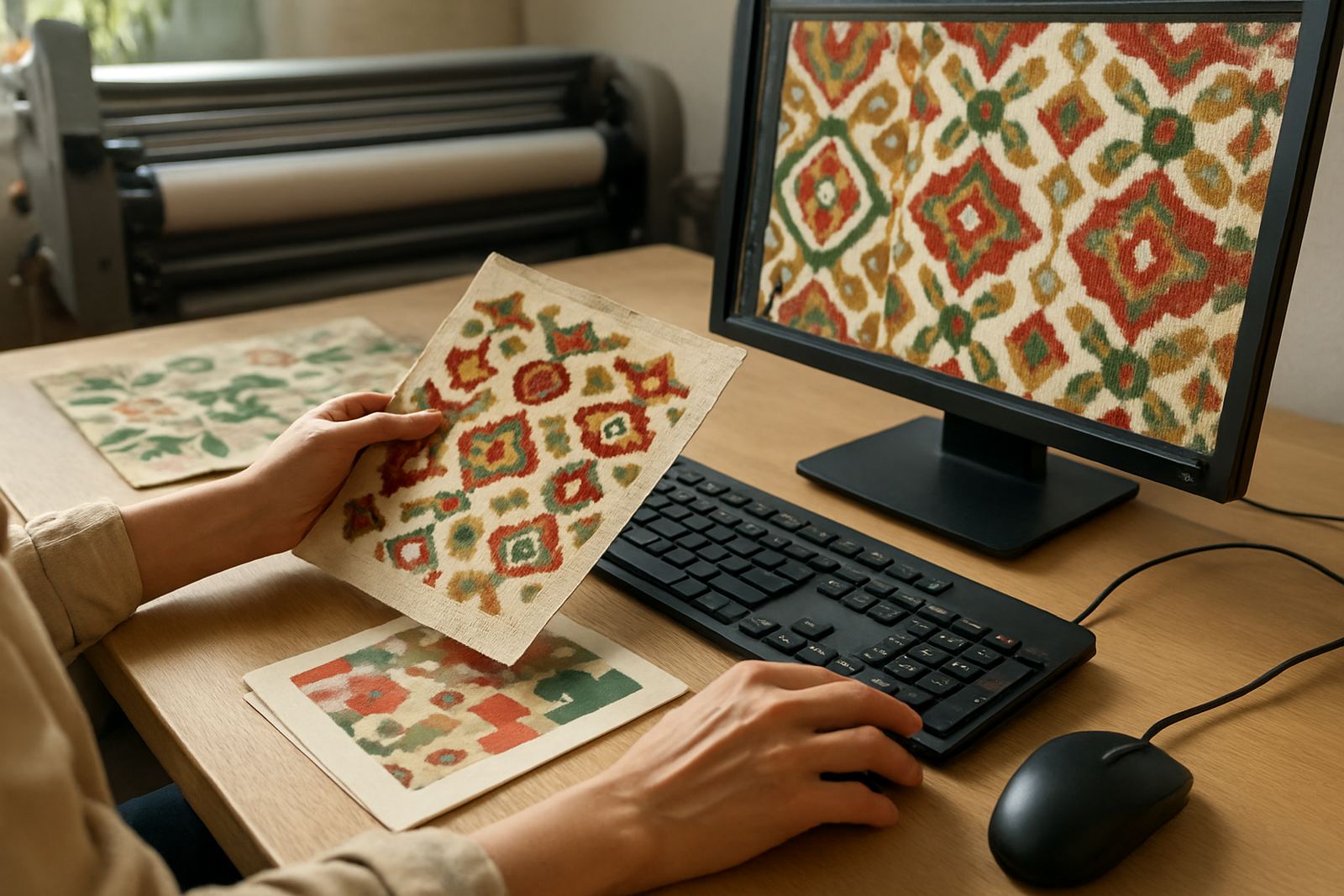
It is especially useful for repeat patterns, branded fabric, soft furnishing projects and items that need exact colour notes. A screen view can look one way, but fabric has texture, absorbency and movement. That is where a strike-off earns its keep, because it gives you something real to hold, pin up and compare against your brief.
- Check pattern scale before the full run
- Confirm colour on the actual base fabric
- Test layout for curtains, upholstery or fashion pieces
- Reduce waste from reprints and design changes
What is included in our strike-off sampling
Our sampling service covers the practical checks that matter before production starts. We work from your supplied artwork or from a repeat pattern setup if the design needs arranging first. Each sample is printed with attention to the chosen fabric type, intended use and finishing requirements, so you can judge the result properly.
Where needed, we also check file quality and make sure the artwork is suitable for the size of the sample. If you are matching an existing textile, painted sample or brand colour, we can work towards that reference and note any visible difference. For some jobs, a second strike-off is worth doing if the first sample reveals a change needed in scale or colour density.
- Small printed sample on selected fabric
- Artwork file check before printing
- Repeat pattern placement where required
- Basic colour matching against supplied reference
- Optional revision and re-sample if approved changes are needed
How the sampling process works
The process is straightforward. You send through your artwork, brief and fabric choice, then we check the file and confirm what is needed for the sample. If the design needs a repeat setup, we prepare that first so the strike-off reflects the real production layout. Once the sample is printed, it is checked, packed and made ready for collection or courier.
For clients in Ndabeni, Woodstock, Salt River, Observatory, Montague Gardens and Century City, samples can be arranged for local pickup where suitable. We also courier samples nationwide for businesses and private clients elsewhere in South Africa. If a sample needs to be reviewed by more than one person, we can include notes on what was tested, which helps keep decisions clear and quick.
- Send artwork, reference and fabric choice
- We confirm file readiness and sampling requirements
- Sample is printed on the selected base fabric
- You review colour, scale and finish before approving production
Turnaround, re-sampling and practical planning
Turnaround depends on artwork readiness, fabric availability and the number of revisions needed. Simple samples can move quickly, while more detailed projects with repeat setup or colour correction take longer. We usually recommend allowing enough time to review the sample properly, since day light, indoor lighting and the final use case can change how a fabric looks.
If the first sample is close but not exact, a second strike-off may be the right move. That is common for upholstery, curtains and fashion fabric where colour tone and scale must sit just right. In Cape Town, where strong sun and mixed indoor light can affect the way fabric reads, it helps to review the sample in the room or setting where it will be used.
- Standard samples depend on file and fabric readiness
- Extra time may be needed for colour correction
- Re-sampling is available if changes are requested
- Best practice is to review under the final lighting conditions
Pricing approach for samples and test runs
Strike-off pricing is based on the work involved, not guesswork. The main factors are artwork setup time, fabric type, sample size, any colour matching required and whether more than one version is being tested. If your order is a straightforward repeat on a standard fabric, the cost stays lean. If the sample needs special preparation or a few rounds of checking, that is priced clearly up front.
We keep it practical for both small and bulk clients. A single home project should not be priced like a full production run, and a business testing a range before launch should know where the costs sit before moving ahead. If you need printed fabric by the metre, custom curtains or upholstery for a larger fit-out, the sample fee can help guide the final production brief.
Typical price drivers include:
- Sample size and number of samples requested
- Repeat setup or file correction needed
- Specific colour matching or reference checking
- Courier costs if the sample is sent out nationwide
Fabric care after sampling and before approval
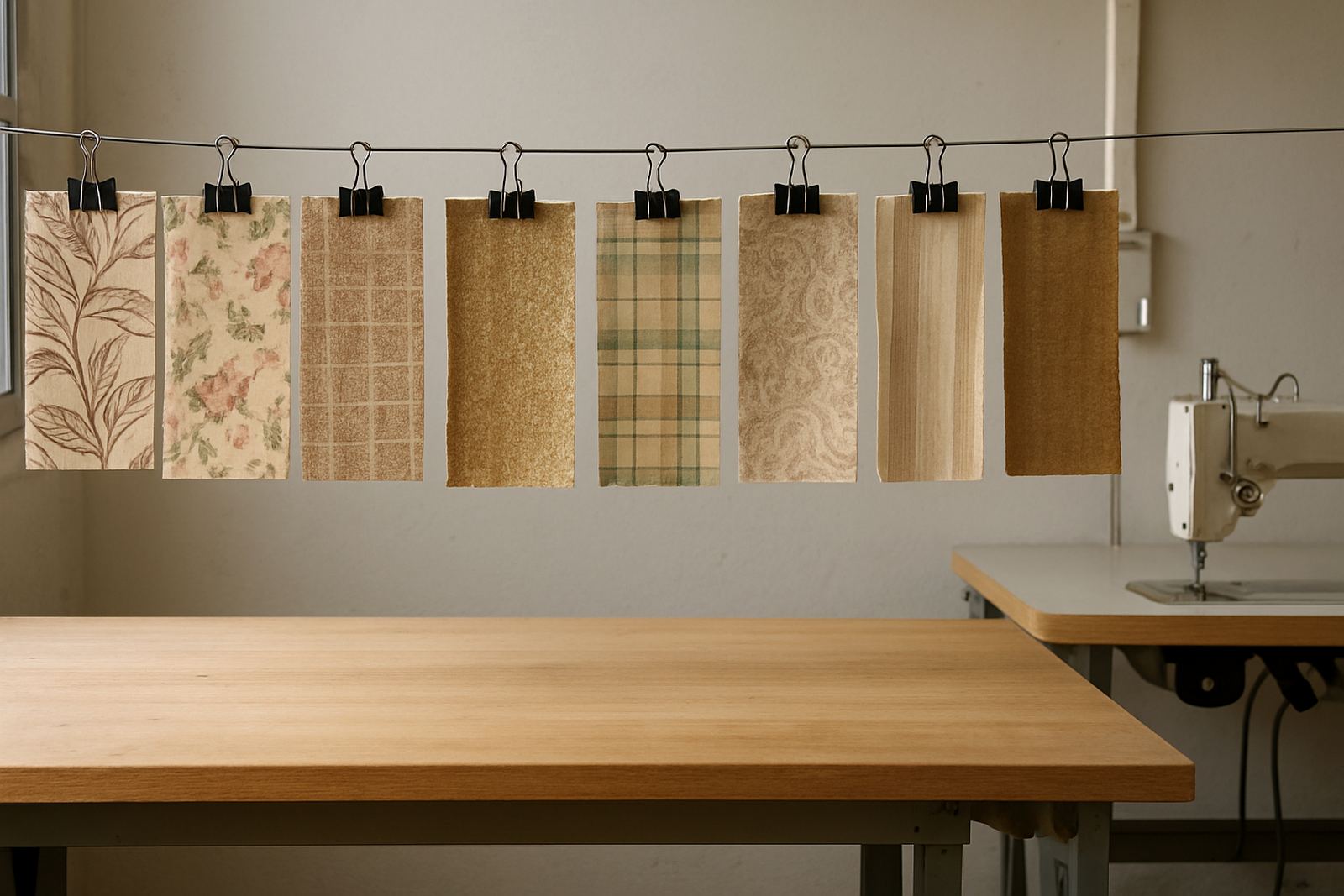
Once you receive the strike-off, handle it as you would the final fabric. Keep it clean, dry and away from strong sunlight while you review it, especially if you are comparing colour hues or checking fine detail. For curtains and upholstery, it helps to hang or drape the sample so you can see how it moves and catches the light. A flat table view only tells part of the story.
If the sample is to be kept for later reference, store it folded neatly with the job notes attached. For clients testing multiple options, mark each one clearly so it is easy to compare later. In humid coastal areas around Cape Town and nearby suburbs, let the sample sit fully dry before filing it away. That keeps the fabric in better condition and avoids confusion if changes need to be made later.
- Keep samples dry and out of direct sun
- Compare them in the room where they will be used
- Label multiple samples clearly
- Store approved samples with job notes for future reorders
Key facts
| Sample purpose | To confirm look, scale and colour before full production |
|---|---|
| Common uses | Curtains, upholstery, fashion fabric, flags and branded textiles |
| Typical format | Small printed test piece on the selected fabric base |
| Process | Artwork check, repeat setup if needed, print, review and approve |
| Turnaround | Depends on file readiness, fabric choice and revision requirements |
| Service area | Ndabeni, Cape Town and courier nationwide across South Africa |