Why rental properties need tougher fabric choices
Rental homes work harder than owner-occupied spaces. Curtains get opened and closed by different people, sofa cushions take spillages, and dining chairs see a constant cycle of bags, beach towels, sunscreen and sandy feet. In Cape Town, add coastal humidity, bright summer light and the odd power cut that leaves guests relying on natural light longer than planned, and fabric choices matter even more.
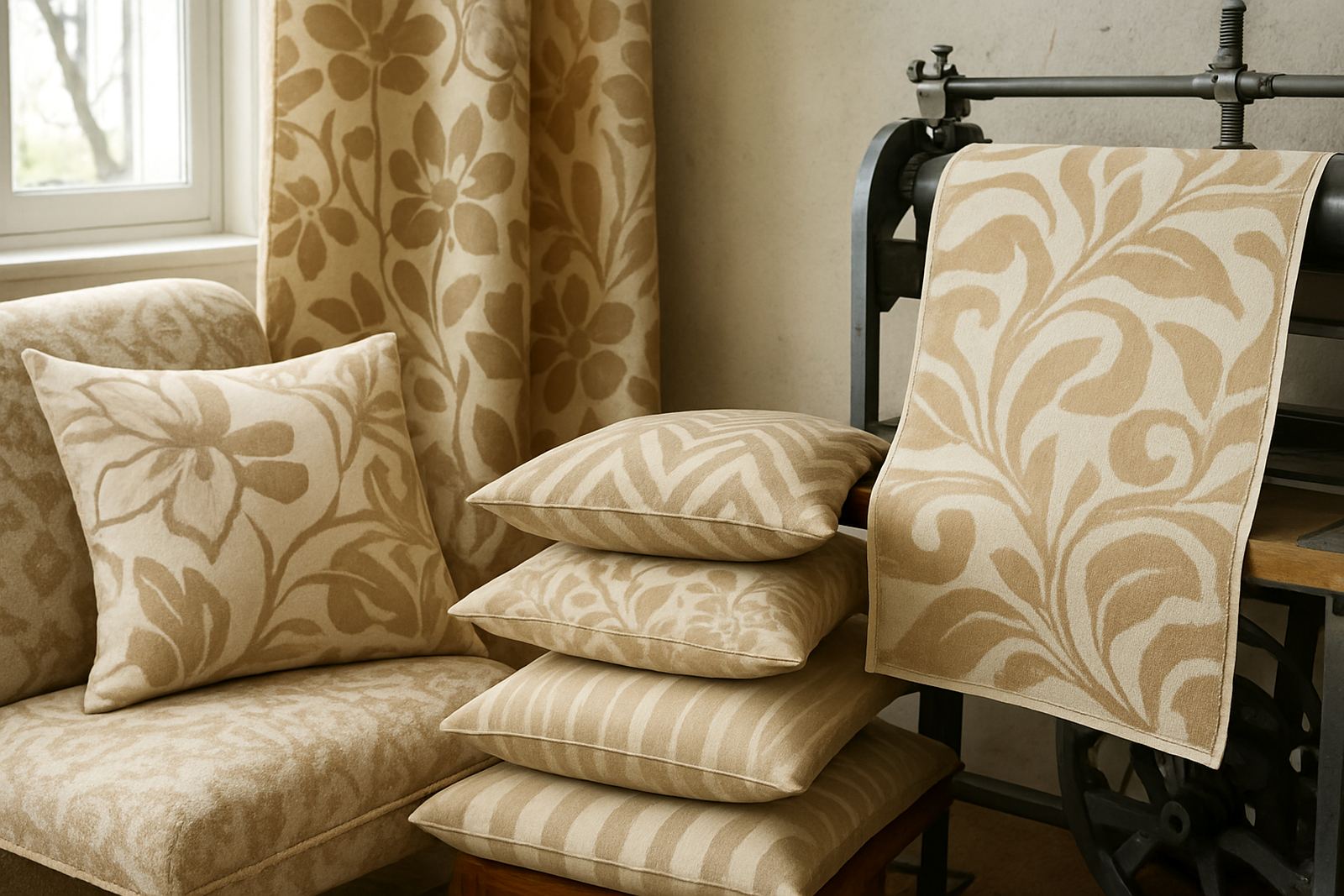
For furnished apartments in Ndabeni, Woodstock or Salt River, the aim is not only to look neat for photos but to keep the property presentable between bookings. Printed fabric can be a practical answer because it lets you choose colours and patterns that suit the unit, while also working around the wear marks that show up quickly in busy rentals. A good print can make a small flat feel finished, and a darker repeat can hide marks better than plain pale cloth.
- Choose mid-tone colours for better stain hiding.
- Use tighter weaves for curtains, cushions and light upholstery.
- Match the design to the property type, not just personal taste.
- Keep spare metreage for quick repairs or replacement panels.
Curtains that help a unit feel finished without overdoing it
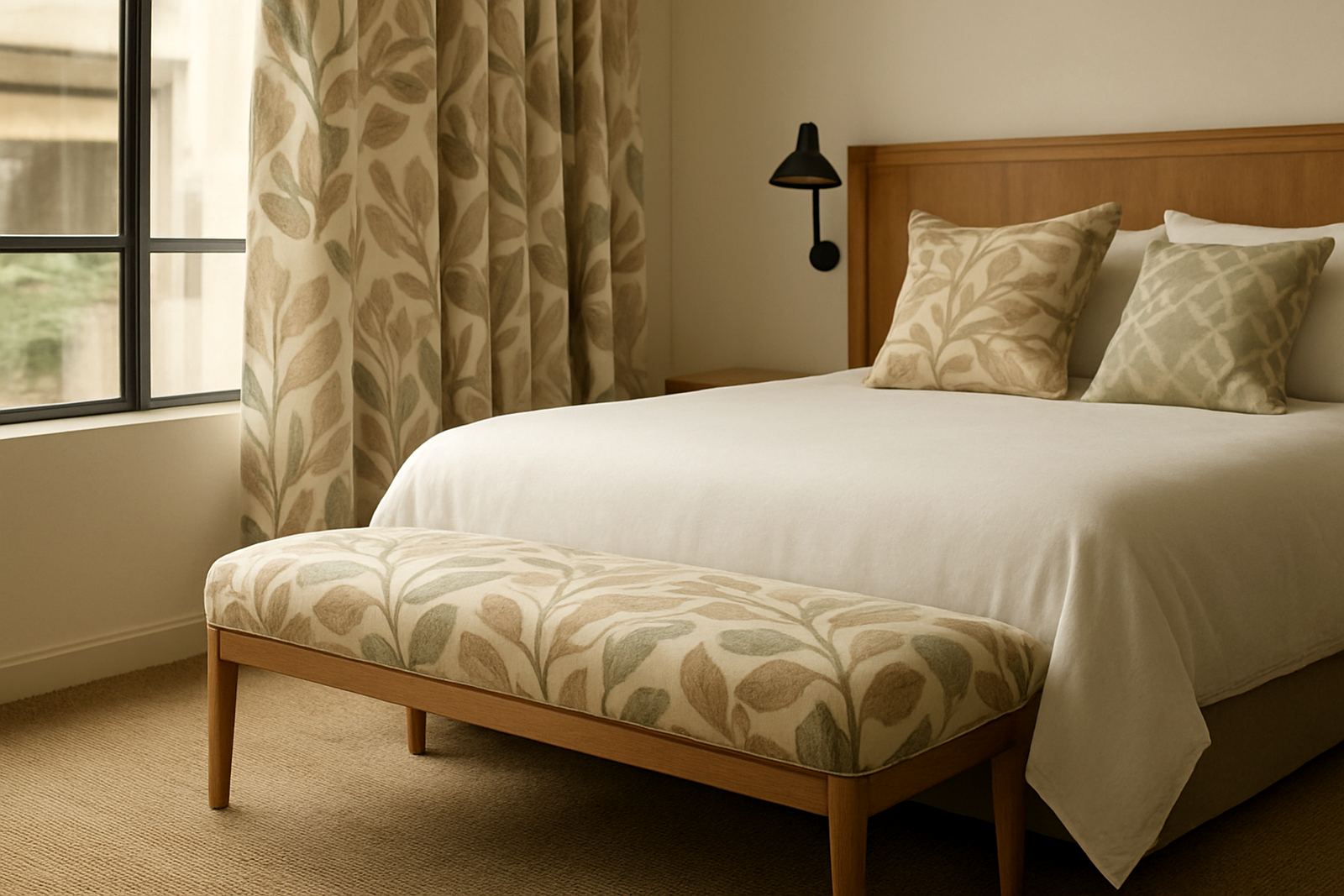
In short-stay rentals, curtains need to be practical before they are decorative. They should block enough glare for afternoon naps, create privacy in bedroom windows, and still look smart in listing photographs. A custom printed curtain can do all three when the scale and colour are chosen carefully. For sea-facing apartments in Century City or guest units near the city bowl, softer patterns often work better than large busy artwork that can dominate a room.
It helps to think in layers. A printed outer curtain can carry the style, while a simpler lining or backing adds body and helps reduce light. Where walls are painted white or grey, a fabric with a warm tone stops the room from feeling cold. For heavier use, hemming and finishing matter as much as the print itself because a neat drop and proper edge treatment help the curtains hang better over time.
- Keep curtain lengths consistent across all rooms in the same property.
- Use repeat patterns that hide seam joins properly.
- For large windows, ask for strike-off sampling before full production.
- Choose finishes that hold up to repeated washing or spot cleaning.
Upholstery prints that survive turnover after turnover
Rental upholstery has to cope with heavy use, so the fabric choice needs to be practical first. A coffee chair in a furnished flat may be used by office workers during the week, then by a family on weekend bookings, and then by cleaners moving items around during servicing. That is where durable printed upholstery helps. It gives the unit a fresh look while still being suited to everyday wear.
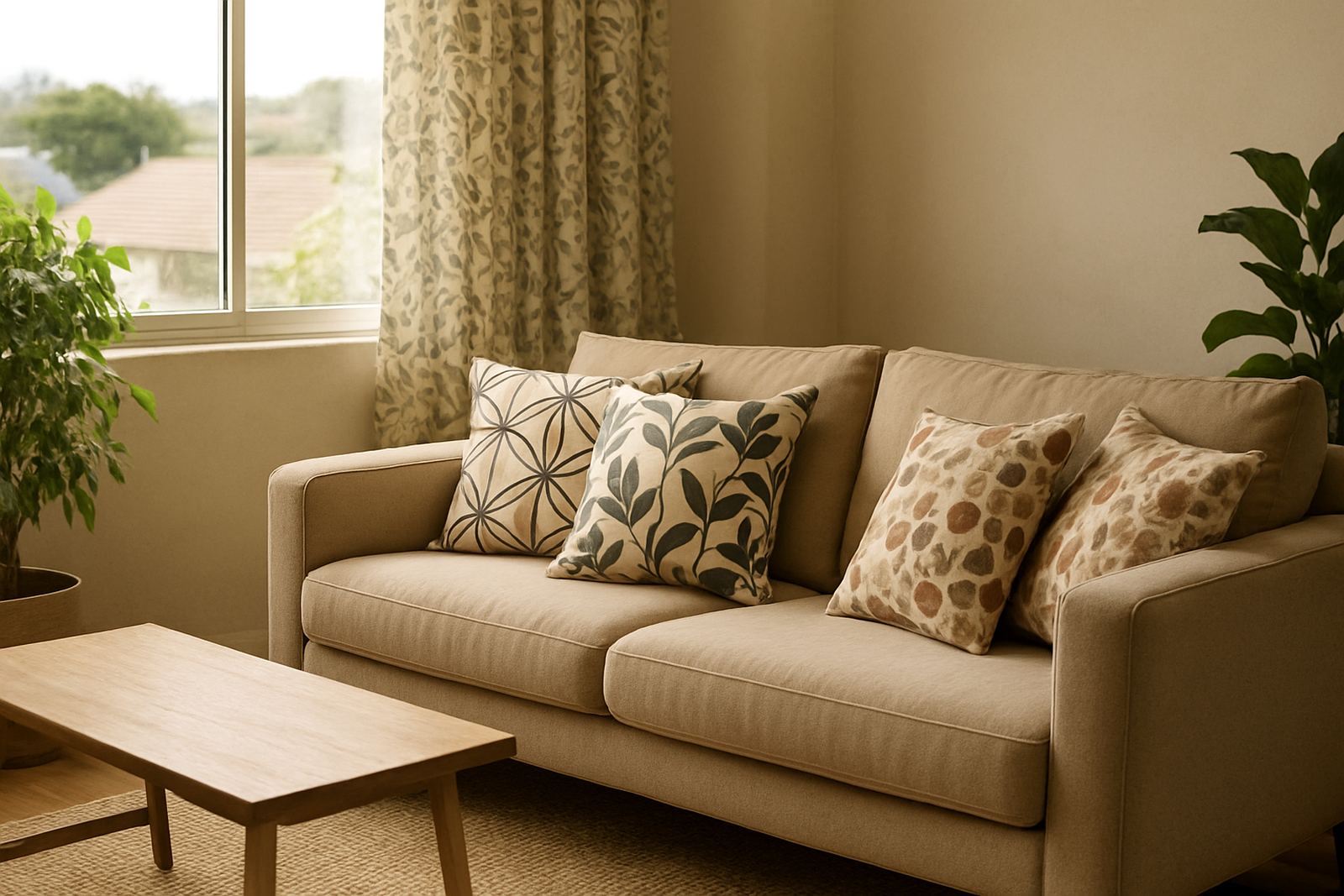
Patterns with movement, texture or small repeats often hide abrasion better than solid colours. If the sofa is a large neutral piece, adding printed scatter covers can refresh the whole room at lower cost than replacing the full suite. In coastal areas, it is also worth planning for humidity and frequent cleaning, because fabric that drinks in moisture too quickly tends to look tired sooner. A good print on the right base cloth can make maintenance simpler, especially when the property is turned over often.
- Use darker seat bases in guest areas that see high traffic.
- Keep one or two spare covers for fast changeovers.
- Ask for colour matching if you need to coordinate with existing furniture.
- Test a strike-off against the room light before bulk ordering.
Fabric by the metre for quick fixes and staged interiors
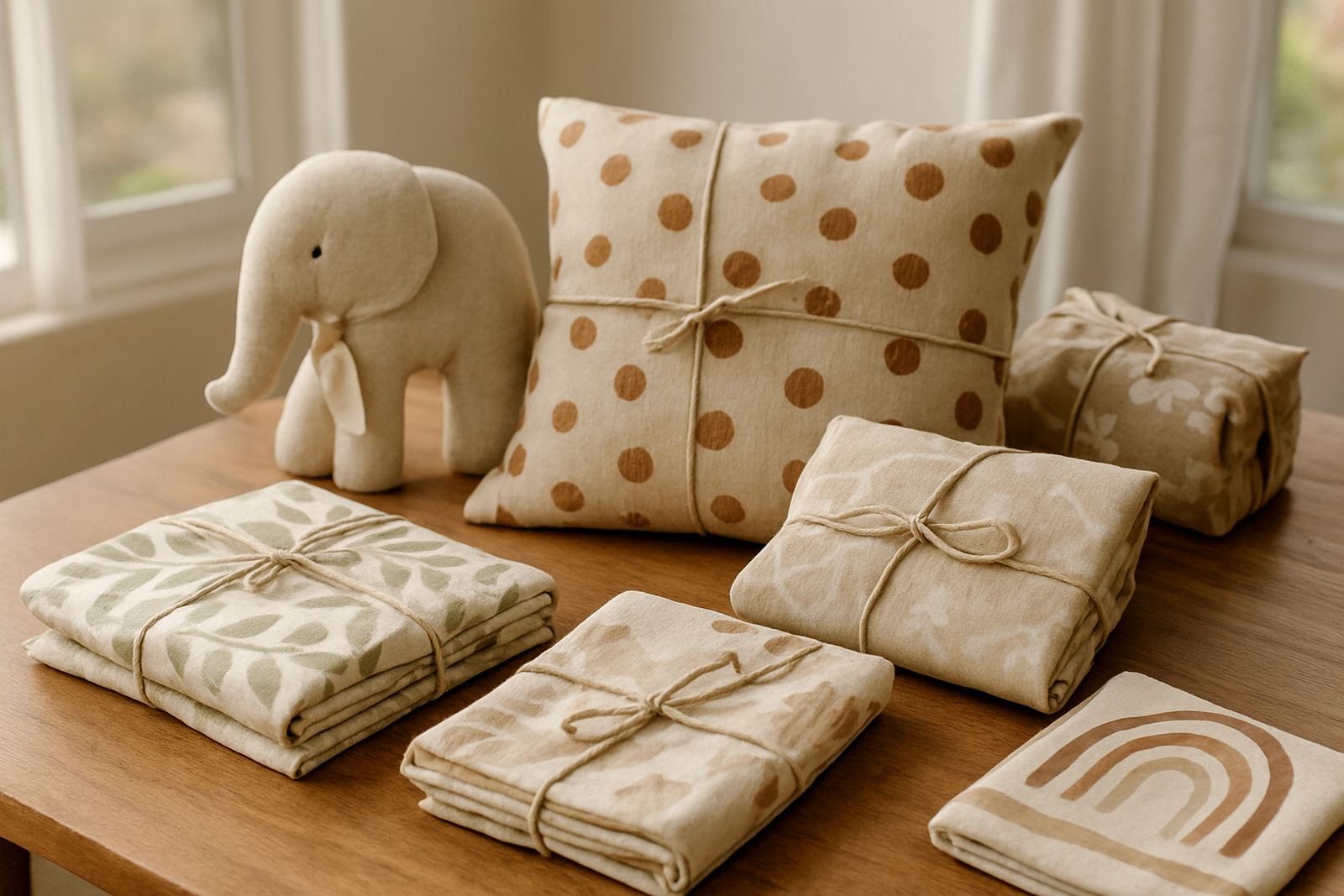
One advantage of fabric by the metre is flexibility. Not every rental needs a full set of new soft furnishings. Sometimes a property only needs new cushion covers, a table runner, a little reupholstery on chairs, or a small batch of bedroom accessories to tie the rooms together. Buying by the metre means you can plan for those smaller jobs without over-ordering.
This is useful for landlords managing units across Cape Town or further afield with courier delivery nationwide. If a guest damages one panel, or if a unit is being restyled between seasons, having matching metreage on hand saves time. It is also useful for staged rentals where the look must stay consistent from room to room. The trick is to choose a print that is not too fashionable, so it still looks right next year and not only this season.
- Keep a measured list of all curtains, cushions and chair covers per unit.
- Order a small surplus for future repairs and relining.
- Use repeat patterns to make cutting and joining easier.
- Choose colourways that suit several wall colours in case the unit is repainted.
What to ask for before you place a rental fabric order
A practical order starts with a few clear details. You need the room sizes, the furniture measurements, the finish you want, and how the fabric will be used. A curtain for a holiday apartment in Observatory is not the same as upholstery for a student unit in Montague Gardens. The best results come from matching the cloth to the job, not forcing one solution across every room.
It also helps to think about service and logistics. If the property is turning over quickly, packing and courier become part of the plan. If a fabric must match something already in the unit, file checking and colour matching save a lot of back-and-forth. For bulk print runs across several apartments, a clear production brief keeps the look consistent, even if the units are in different suburbs.
- Provide accurate measurements in metres and centimetres.
- Share photos of the room in natural light.
- Note any washing instructions or cleaning limits.
- Ask whether the fabric must suit curtains, upholstery or both.
A local example from a Cape Town guest unit
A small furnished apartment near Woodstock can look smart on the first day and then start showing wear very quickly if the fabrics are too light or too plain. One practical approach is to use a printed curtain in the lounge, a mid-tone upholstery fabric on the main chair, and matching cushion covers that can be swapped out between bookings. That setup gives the place a clear look for listings, but also keeps maintenance manageable for the owner and cleaning team.
In a property like this, the value is not in making everything match perfectly. It is in choosing prints that work together, hide everyday marks and are easy to replace. When a guest stays only two nights, the fabrics still need to look pulled together. When they stay two weeks, the same fabrics still need to feel clean and presentable. That is where custom printing makes sense for rentals, because it lets you set the right tone from the start instead of settling for off-the-shelf cloth that nearly fits.
Why rental owners keep returning to made-to-order fabric
For landlords, holiday hosts and furnished apartment managers, made-to-order fabric is less about luxury and more about control. You can match colours, choose the right weight, and keep a consistent standard across units. That matters whether the property is in the city bowl, on the Atlantic side or near the industrial areas where many small management teams operate. Practical textile choices reduce replacement costs and help a unit stay rentable with less fuss.
Fabric Printers Studio works from Ndabeni and supplies clients across Cape Town and nationwide by courier. For rental projects, that means you can plan a one-room refresh or a full set of soft furnishings with the same team handling printing, finishing and dispatch. When time is tight, the right fabric plan can make a unit easier to hand over, easier to clean and better prepared for the next guest.