Why short runs make sense when you are testing demand
Not every idea needs a full roll order. If you are starting a curtain range, a small clothing label, or a home décor line for a local market, short-run printing lets you see what buyers actually want before you commit to larger quantities. That matters in Cape Town where shop space is limited and many businesses work from compact workshops in Ndabeni, Woodstock or Salt River.
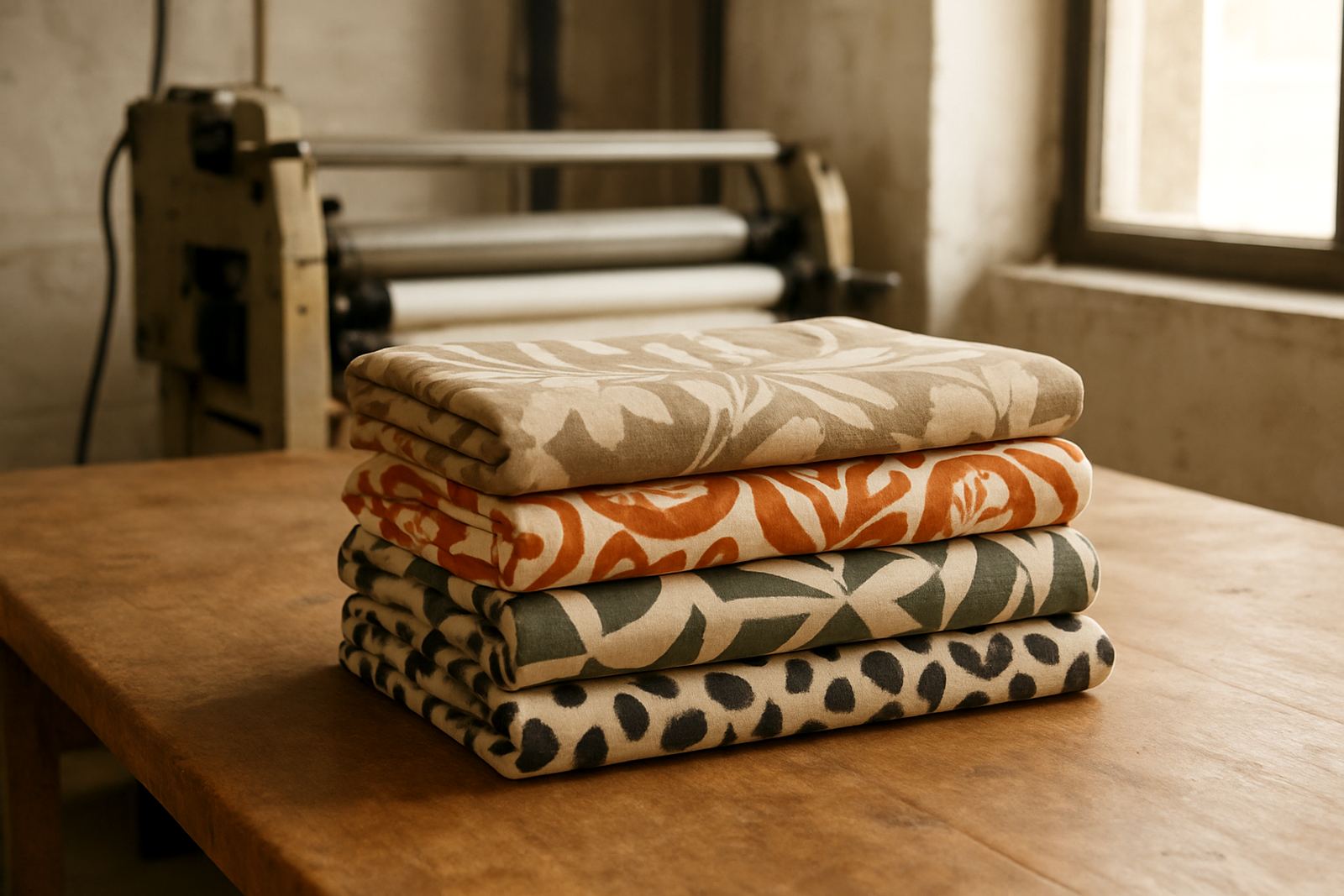
With small batch printing, you can release 20 metres, 40 metres or a few hundred metres and watch the response. If a design sells out, you print more. If it sits too long, you have not locked cash into fabric that may never move. It also helps when you are refining scale, repeat pattern placement or colour balance for a new product.
- Test a new design before a full seasonal order
- Limit risk on niche ranges or one-off collaborations
- Keep your cash flow freer for packaging, marketing and delivery
How small batch printing supports launches and limited editions
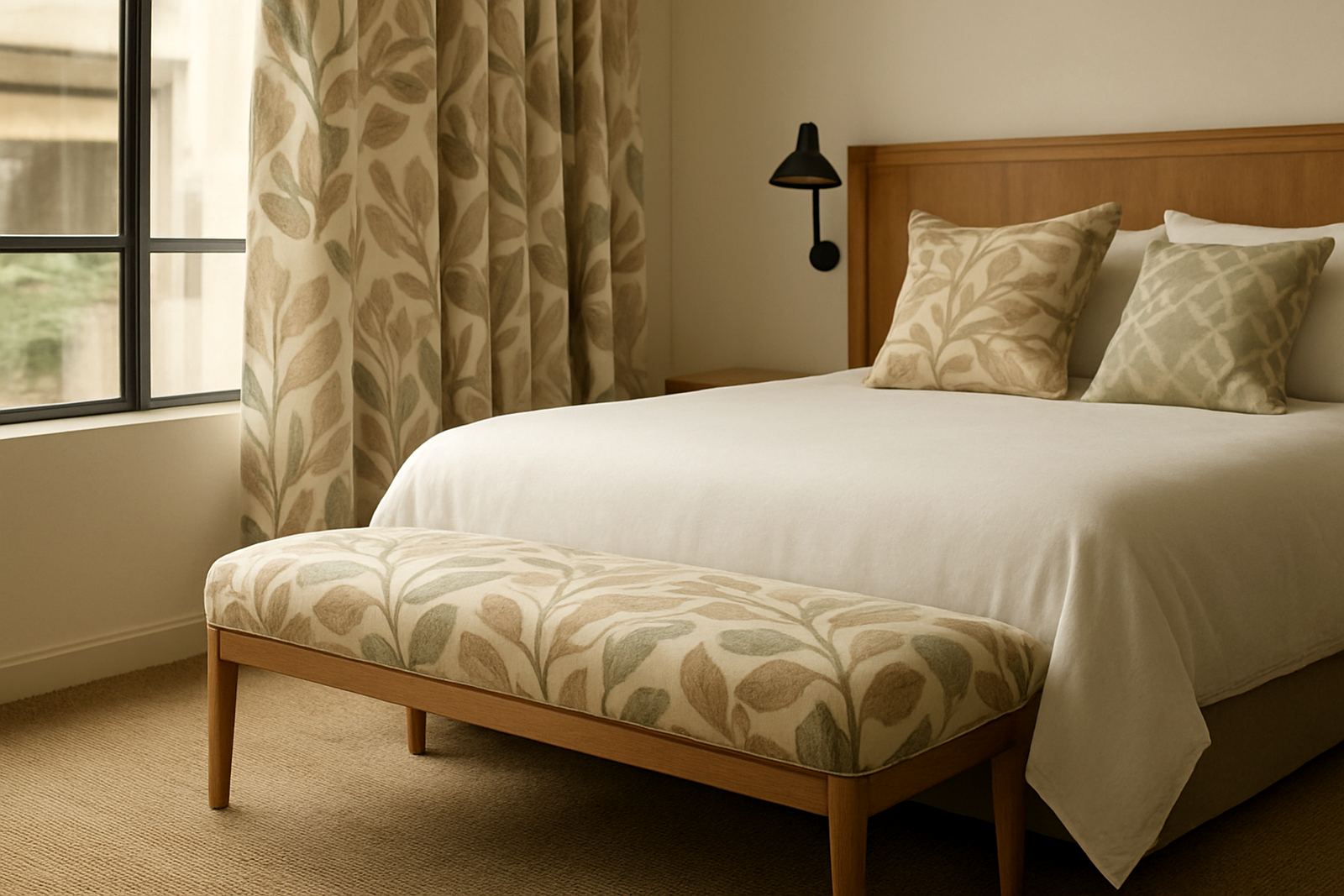
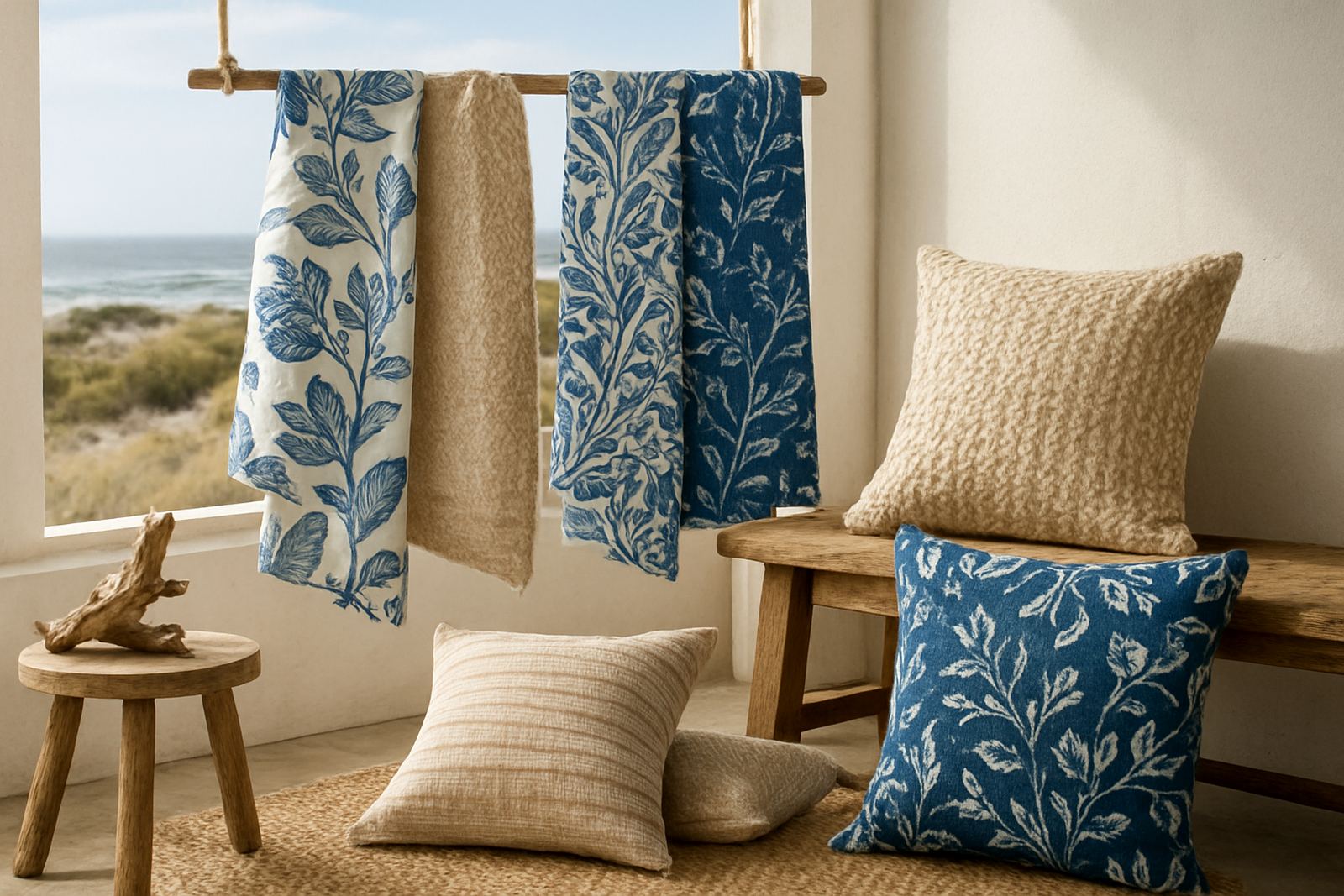
Launches work better when the quantities match the occasion. A limited edition cushion cover run, a set of branded flags for an event, or a short curtain drop for a guesthouse can all be produced in quantities that suit the brief. You do not have to overbuy just to reach a factory minimum.
This is especially useful for businesses selling into the Western Cape and beyond. A clothing maker in Observatory may want to trial a new print on scarves and headwraps. A décor studio in Century City may need a measured run of upholstery fabric for a showroom refresh. A small batch approach keeps each launch manageable and gives you room to adjust the next order based on real sales.
- Ideal for pop-up shops and market stalls
- Useful for seasonal drops and event merchandise
- Good for designers who need to change artwork often
Better control over colour, fabric and finish
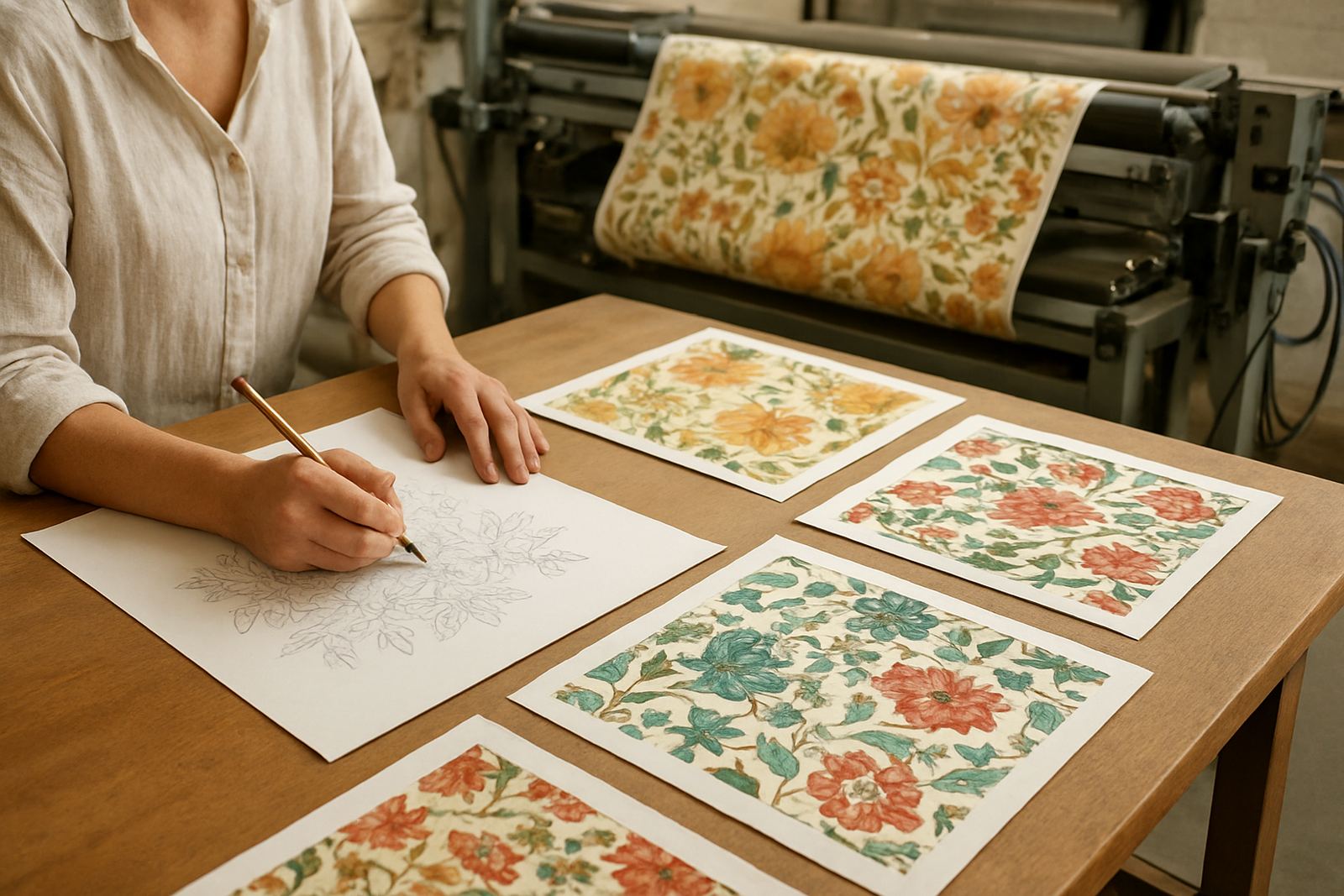
Short runs are not just about quantity. They also give you a better chance to check how a design behaves on the final cloth. A print can look fine on screen and still need adjusting once it lands on a heavier upholstery base or a softer fashion fabric. That is why strike-off sampling and file checking are worth doing before the main run.
At Fabric Printers Studio in Ndabeni, colour matching and repeat pattern setup help reduce costly surprises. If you are producing curtains for a coastal property, you may want a fabric choice that holds up well in humid conditions. For upholstery in a busy family home, the hand feel and print clarity matter just as much as the design. Small batch work gives you the chance to sort those details early.
- Check print clarity on the actual fabric you plan to use
- Adjust colour depth before larger production
- Confirm repeat size for curtains, cushions or apparel panels
A practical way to serve niche customers
Niche markets often need a narrower range but stronger attention to detail. That could mean fabrics for school events, faith-based gatherings, small hospitality groups, boutique fashion labels or interior decorators working on a single property. These customers may only need one pattern, one width or one finish, and short-run printing suits that need very well.
Bulk production can force you to print more than you can store or sell. Small batch orders keep the process focused. You can offer made-to-order curtains, custom flags, metreage for designers and printed upholstery for small projects without overcommitting. It also helps when clients need a quick change because a launch date moved or a municipal approval took longer than expected.
- Good for niche colourways and limited audience products
- Supports made-to-order work without excess stock
- Makes it easier to quote for specific client requests
When short-run printing is the smarter cash flow choice
Many businesses in South Africa are careful with stock for good reason. Load shedding can slow production schedules and storage space is not always easy to find. If you keep too much printed fabric on hand, your money sits in shelves instead of moving through sales. Small batch printing helps you stay agile and responsive.
It also gives you room to phase orders. You can print the first run, measure sales, then decide whether the next run should be larger or slightly adjusted. That is helpful for local retailers in Montague Gardens and Century City, as well as smaller makers sending fabric nationwide by courier. Less waste, fewer dead lines, and better planning for each month. It is a straight forward way to keep things moving.
- Lower upfront spend on each order
- Less risk if a design does not perform
- Easier to reorder only what you need
How to get a clean result on a small order
The best small batch runs start with proper preparation. Send print files at the right size, confirm repeat patterns and ask for a strike-off if the design is new. If you need hemming, packing or courier, build that into the job from the start so there are no delays at dispatch.
If you are supplying your own fabric, check that it suits the intended use and that the width matches your pattern layout. If you need fabric sourcing, ask early so the material can be matched to the finish and print method. A good short-run order is about planning as much as printing. That is what keeps the result neat and the turnaround on track, especially when the work has to go out to Johannesburg, Durban or smaller towns by courier.
For businesses in Cape Town and clients further afield, small batch work gives you a practical way to launch, test and improve without unnecessary pressure. It is a useful fit for curtains, flags, upholstery and fashion fabrics, and it works well when the goal is to see what sells before you scale up.