Printed fabric for real upholstery jobs in homes and trade spaces
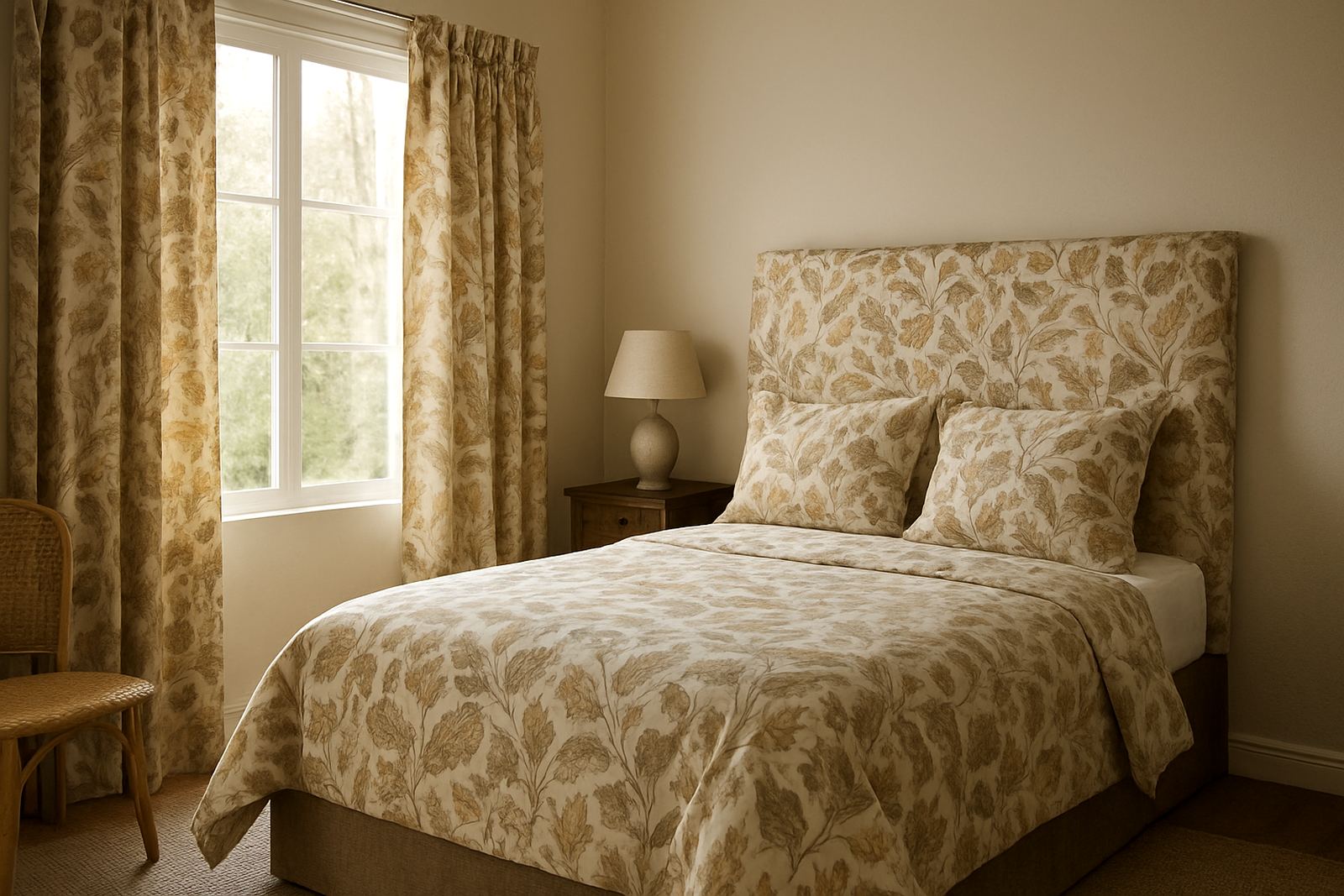
When an upholsterer is quoting for a lounge suite, restaurant banquette or a fitted headboard, the fabric choice sets the whole job. Printed upholstery can work well when the brief calls for a specific colourway, a repeat pattern, or matching pieces across cushions, seats and feature panels. It is also useful for small runs where buying full imported ranges is unnecessary or too expensive.
In Cape Town, many jobs come from flats, guest houses, salons and hospitality spaces in areas like Woodstock, Salt River, Observatory and Century City. Coastal humidity, sunlight and regular wiping all matter. For those jobs, the print, base cloth and finish must be planned together, not picked separately at the last minute.
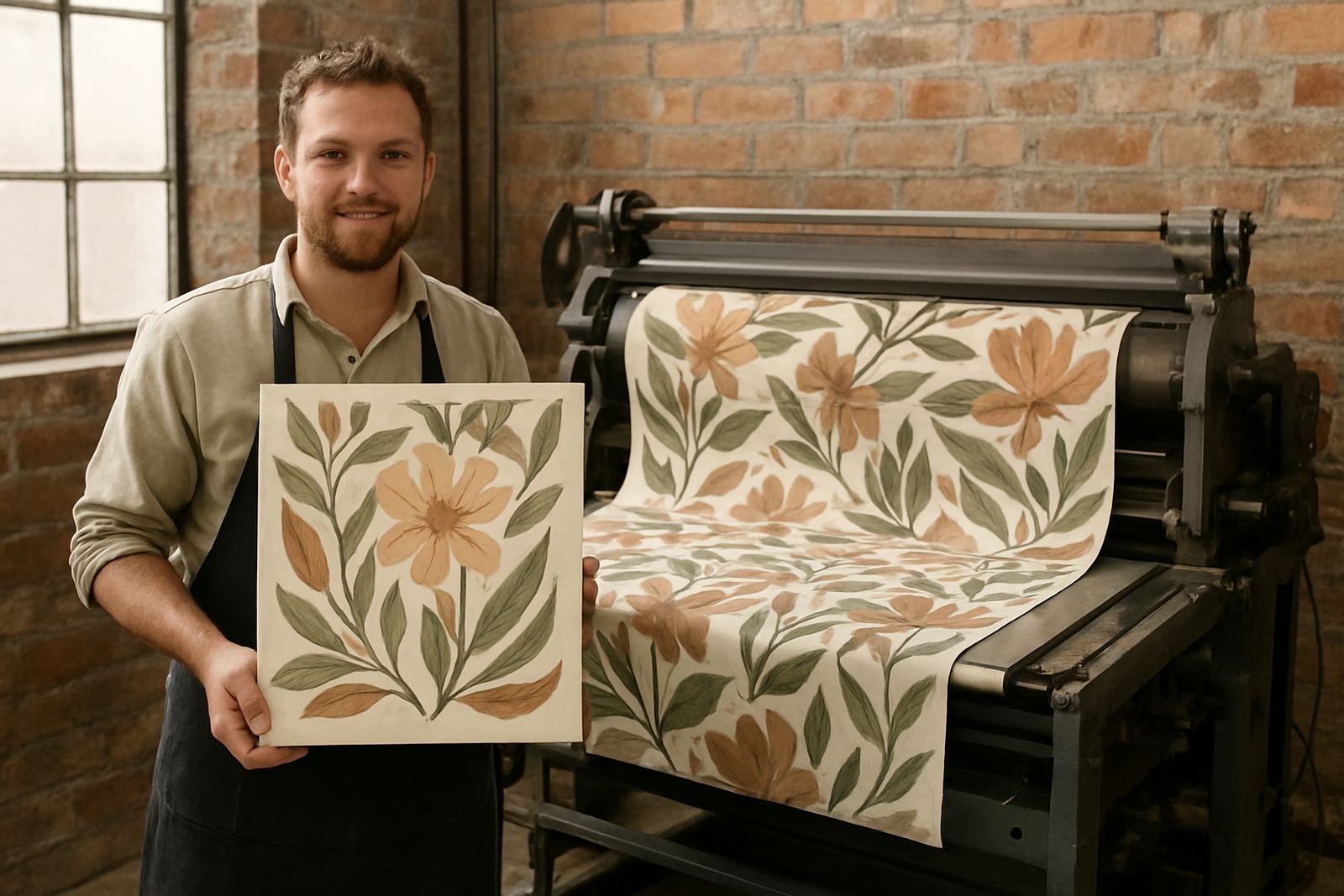
Fabric Printers Studio handles custom fabric printing, repeat pattern setup, colour matching, strike-off sampling and finishing, so upholsterers can test the cloth before committing to the full run. That saves time on rework and avoids the common problem of a beautiful design that is not practical for the furniture it will cover.
Typical equipment and materials used by upholsterers
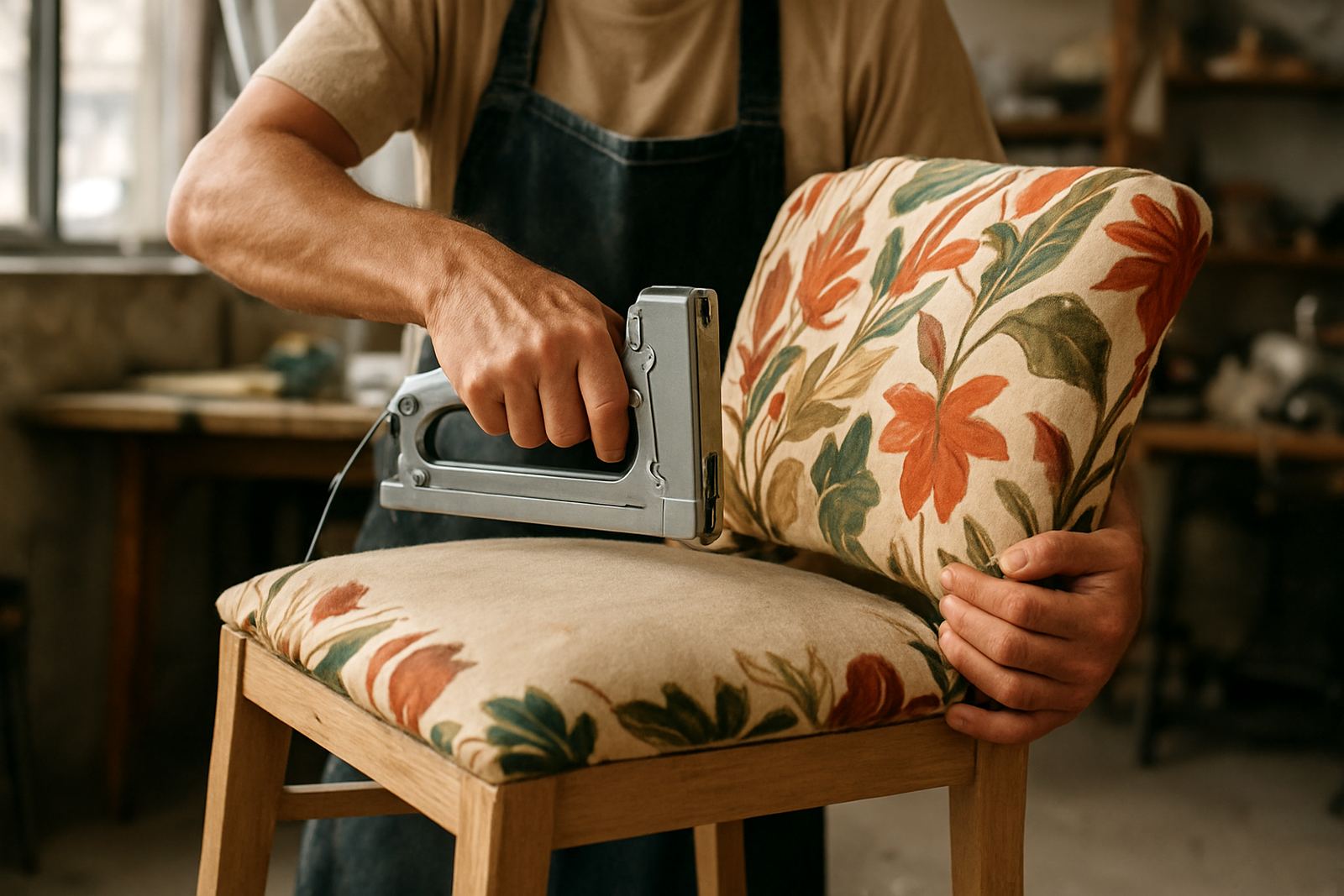
Most upholstery workshops work with a mix of hand tools and small machines rather than heavy factory equipment. A printed fabric order should suit the way the workshop cuts, sews and fits pieces on site. If the cloth frays badly, stretches unevenly or arrives with colour variation, the whole job becomes harder.
- Cutting tables and pattern pieces for accurate layout
- Industrial sewing machines for seams, piping and covers
- Staple guns and tack hammers for fixed seating
- Foam cutters and adhesive spray for panels and seat rebuilds
- Steam irons and pressing tools for neat finishing
For printed upholstery, the cloth must also suit the intended use. Seating and benches need a tougher base cloth than decorative panels. Headboards can usually take lighter handling, but they still need clean print registration and enough body to sit flat. If the fabric is for a piece that will be removed and cleaned often, the workshop should ask for wash and care advice before cutting.
Planning the layout before the first metre is printed
Good planning starts with the furniture dimensions and the pattern repeat. A small print that looks neat on a cushion can disappear on a wide bench, while a bold design may need careful placement so it does not fight with seams, buttons or channels. The layout must also account for joins, border turns and mirrored pieces.
For upholsterers working on several chairs or matching dining stools, repeat consistency matters. The same panel should look the same from batch to batch, especially when a client orders more later. Repeat Pattern Setup and File Checking help here, because the artwork can be adjusted before the cloth is printed. It is better to sort that out early than to try and hide mismatched panels during fitting.
- Measure all visible panels, plus turn-ins and seam allowances
- Check how the design lands on arms, backs and corners
- Decide whether the pattern must match across multiple pieces
- Allow extra fabric for cutting waste and future repairs
For most upholstery jobs, adding 10% to 15% extra fabric is sensible. For complex matching on stripes or large motifs, 20% extra may be safer. That small bit of planning often prevents shortfalls when a job is already half upholstered.
Common mistakes that cost time and money
The biggest mistake is choosing fabric by appearance alone. A print can look fine on a sample card and still fail once it is wrapped around a curved chair frame or stretched across a padded bench. Another common issue is under-ordering. Upholsterers sometimes forget about defects, directional prints, end folds and trimming waste.
Colour matching is another area where jobs go wrong. What looks like white in studio light may read cream in a north-facing room in Stellenbosch or Sea Point. Strong darks can also shift in different light, and that becomes obvious on a set of matching cushions. A strike-off sample helps check this before bulk printing.
One more mistake is leaving finishing too late. If a job needs hemming, edge sealing, label packing or split delivery to a site and workshop, that must be arranged before the deadline. Load shedding can also affect timing, so it is wise to allow a little breathing room on urgent orders, especially when a hotel, lodge or restaurant reopening is involved.
Budget ranges for upholsterers working with printed cloth
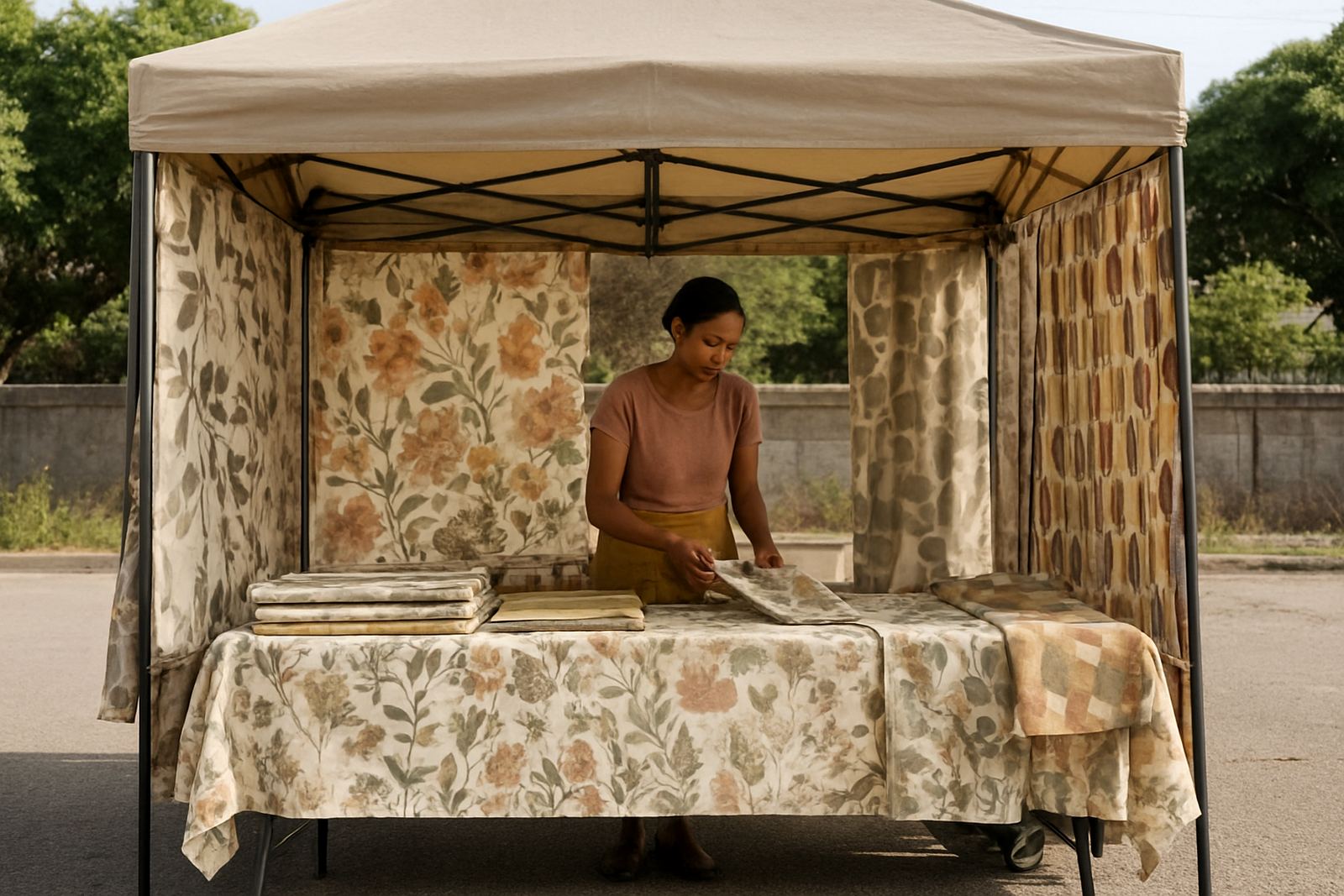
Budgets vary depending on fabric type, print area, order size and finishing. Small batch printing is usually the best option for one-off headboards, sample suites or feature chairs. Bulk print runs suit larger projects such as venue seating, uniform restaurant banquettes or repeated retail fit-outs.
As a guide, upholsterers often budget from about R180 to R350 per metre for simpler printed upholstery runs, with more complex work or specialised sourcing sitting higher. Sampling and strike-offs are normally a modest extra cost and are worth it when a project carries risk. For custom curtains or lighter decorative pieces used alongside upholstery, the metre rate may differ depending on cloth weight and finish.
Courier packing and delivery should also be included in the quote. For clients outside Cape Town, nationwide courier fabric delivery is often more practical than collecting from Ndabeni. That helps workshops in Durban, Gqeberha, Bloemfontein and smaller towns keep the workflow moving without losing days on transport.
How Fabric Printers Studio supports upholstery projects
The studio works with upholsterers, interior teams and trade clients who need printed fabric that is practical, consistent and ready for cutting. The process can include fabric sourcing, colour matching, file checking, printing, hemming and finishing, packing and courier. That makes it easier to manage a project from first sample to final install.
For Cape Town clients in Ndabeni, Woodstock, Salt River, Observatory, Montague Gardens and Century City, local turnaround is useful when a job has tight fitting dates. For nationwide work, the team can pack and courier the order directly to the workshop or site. The focus is on keeping the cloth right for the job, not just printing it and hoping for the best.
Whether the brief is a single bench for a home in Durbanville or a full set of decorative panels for a hospitality project, the goal stays the same: fabric that cuts well, hangs well and finishes cleanly. That is what keeps the upholsterer’s work looking tidy once the furniture goes back to the client.