Boutique lodge brief in Stellenbosch
The client was a small hospitality operator in Stellenbosch, serving wine tourists, weekend visitors and private function guests. They were upgrading several guest rooms, a lounge area and a reading corner, and wanted the soft furnishings to feel tailored rather than generic. The request was for printed upholstery textiles and curtain fabric that could carry a calm, refined look with enough character to suit a wine farm setting.
The brief came with a few clear expectations. The fabric had to suit indoor hospitality use, be practical for regular cleaning, and work across both window treatments and seating. The design direction leaned toward natural colours, soft contrast and a pattern scale that would not overpower the room. We were asked to keep the process tight, because the lodge was planning works around a booked season and did not have time for back-and-forth delays.
- Project type: boutique lodge fabric upgrade
- Location: Stellenbosch, Western Cape
- Use: curtains, cushions and upholstered seating
- Look and feel: calm, local, understated
What the property needed from the fabric
Hospitality spaces in Stellenbosch deal with strong daylight, winter damp and frequent use, so the textile had to be chosen with more care than a typical home order. The lodge wanted printed fabric that would stay crisp on curtains, while the upholstery cloth had to be dense enough for armchairs and banquettes used by changing guests through the week. Load-shedding was also part of the practical picture, because natural light and lamp light can change the way colour reads from one hour to the next.
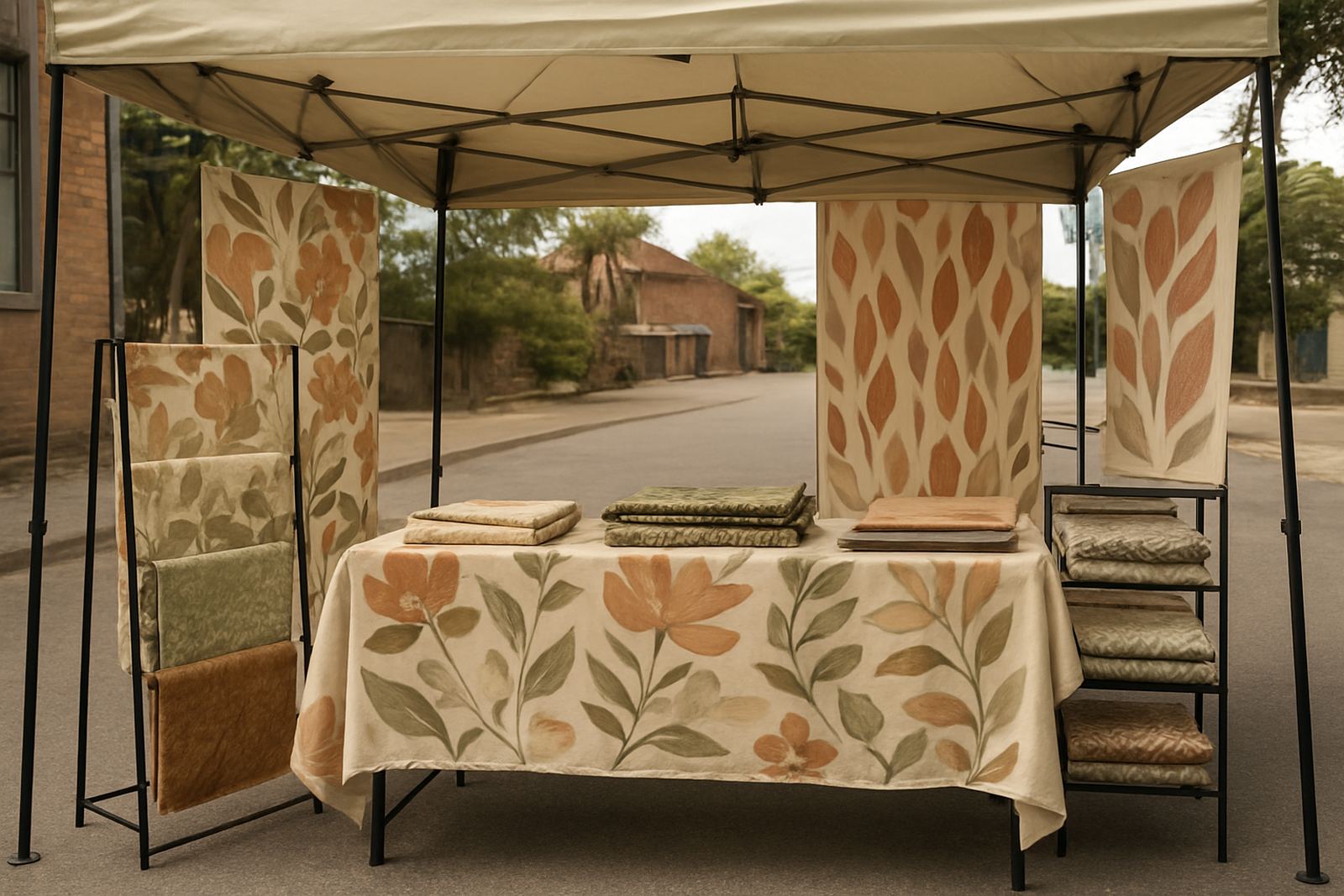
We started with colour matching against the lodge's interior finishes. Timber, off-white wall paint, stone surfaces and existing décor were all considered so the finished fabric would sit properly in the room. The print needed to feel present but not loud, and the repeat had to be managed so the pattern would not look chopped off on a full-length curtain drop. We also checked fabric behaviour for hanging, fold lines and wear at seating edges.
- Colour checks against paint, timber and flooring
- Pattern repeat adjusted for full curtain drops
- Textile choice balanced between drape and durability
- Hospitality use factored in from the start
Sampling, print setup and finishing
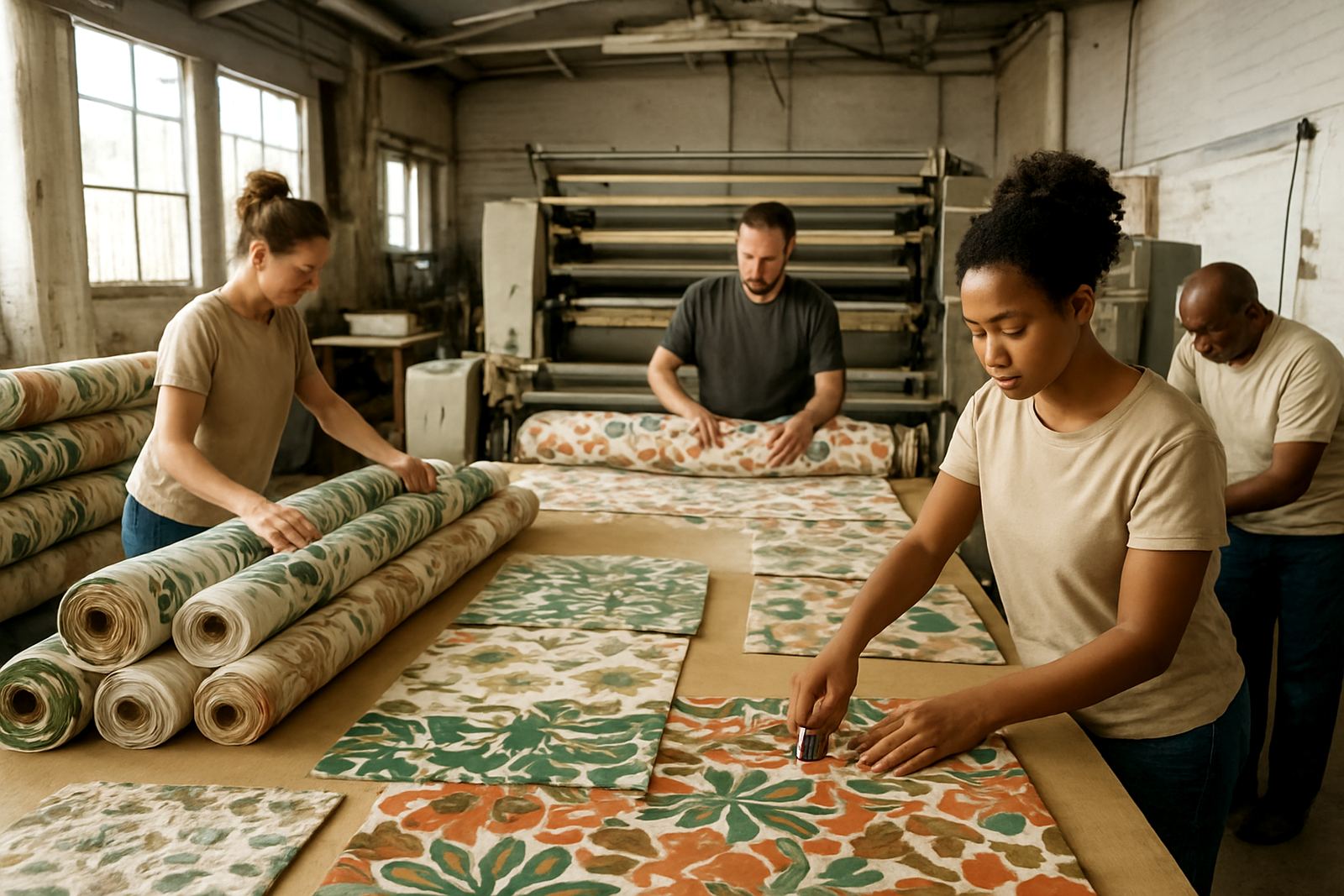
Before any bulk printing, we prepared strike-off samples so the client could see the design on the actual textile and judge the colour in the right light. That step made a difference, because a fabric that looks correct on screen can shift once printed on cloth. We checked registration, edge crispness and tonal balance, then adjusted the artwork where needed. One of the samples needed a slightly warmer neutral and a softer contrast line, so we ran a revised strike-off rather than pushing on with a poor match.
The final supply included print-on-demand yardage for both curtain and upholstery applications, plus hemming and finishing where the lodge's installers needed ready-to-use lengths. Every roll was checked before packing. We also completed file checking on the artwork, making sure the repeat flowed properly and the dimensions matched the measured windows and seating units. It sounds simple, but a missing measurement or a rushed repeat can waste metres fast.
- Strike-off sampling carried out before the main run
- Repeat pattern setup checked for long drops and seat panels
- Hemming and finishing done to reduce site work
- Final rolls packed and labelled for easy installation
Timeline and production control
The project ran over three weeks from brief to dispatch. Week one covered measurement review, artwork checks and sample preparation. Week two was used for approval of the strike-offs, final colour matching and print scheduling. Week three covered the production run, finishing, packing and courier handover from Ndabeni in Cape Town. The lodge was able to keep its own build programme moving because we kept the supply sequence clear and did not leave approvals hanging about.
Because the order combined curtains and upholstered pieces, the sequence mattered. We produced the curtain fabric first, then matched the upholstery batch to the same visual tone, so the room would feel coordinated rather than patched together. The dispatch plan included secure packing to protect edges and printed surfaces in transit. For a hospitality site, that matters just as much as the print itself because damaged cloth on arrival can push out install dates by days.
- Total project time: 3 weeks
- Work flow: sample, approve, print, finish, dispatch
- Location of production: Ndabeni, Cape Town
- Delivery: courier to Stellenbosch site
Result on site and how it changed the rooms
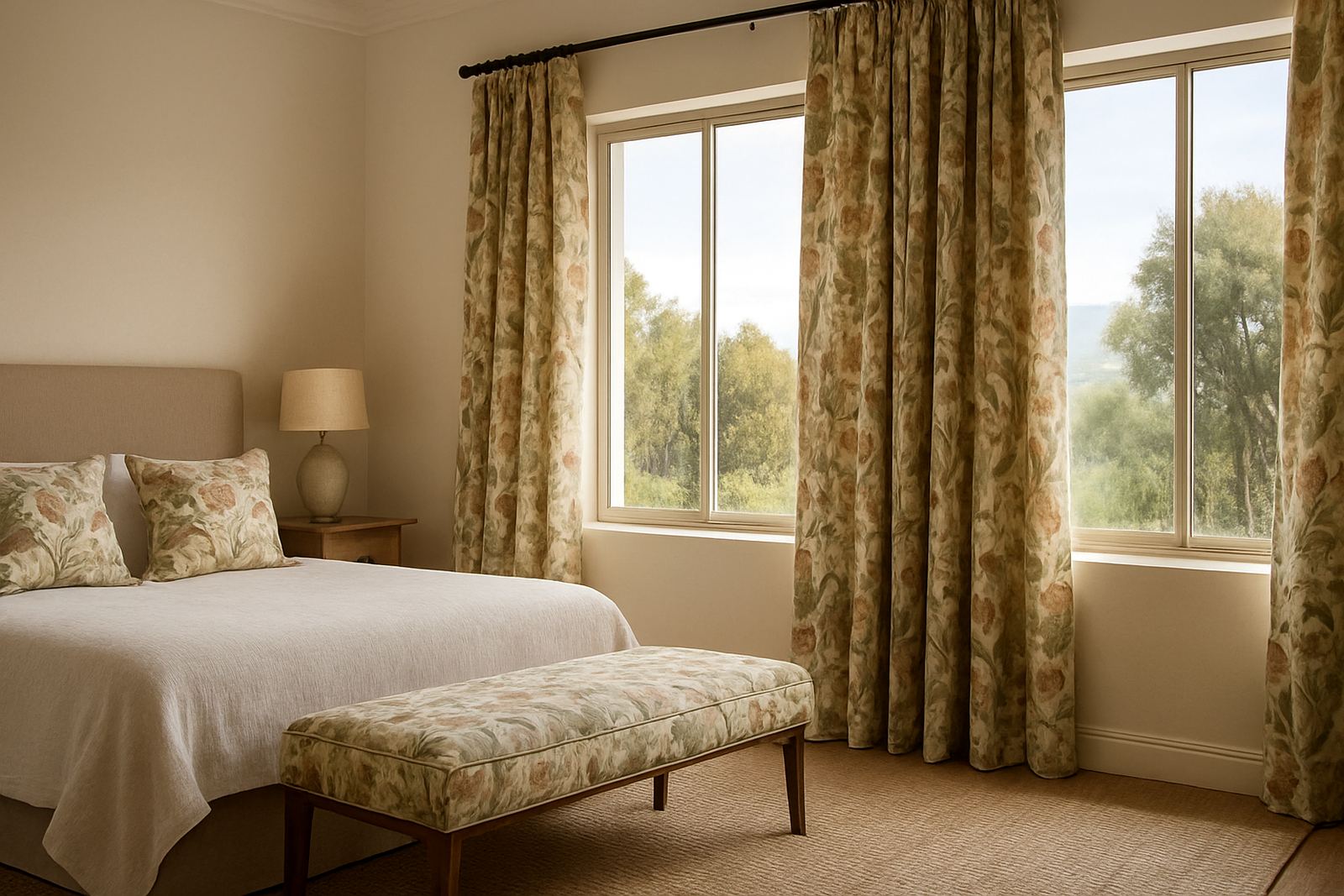
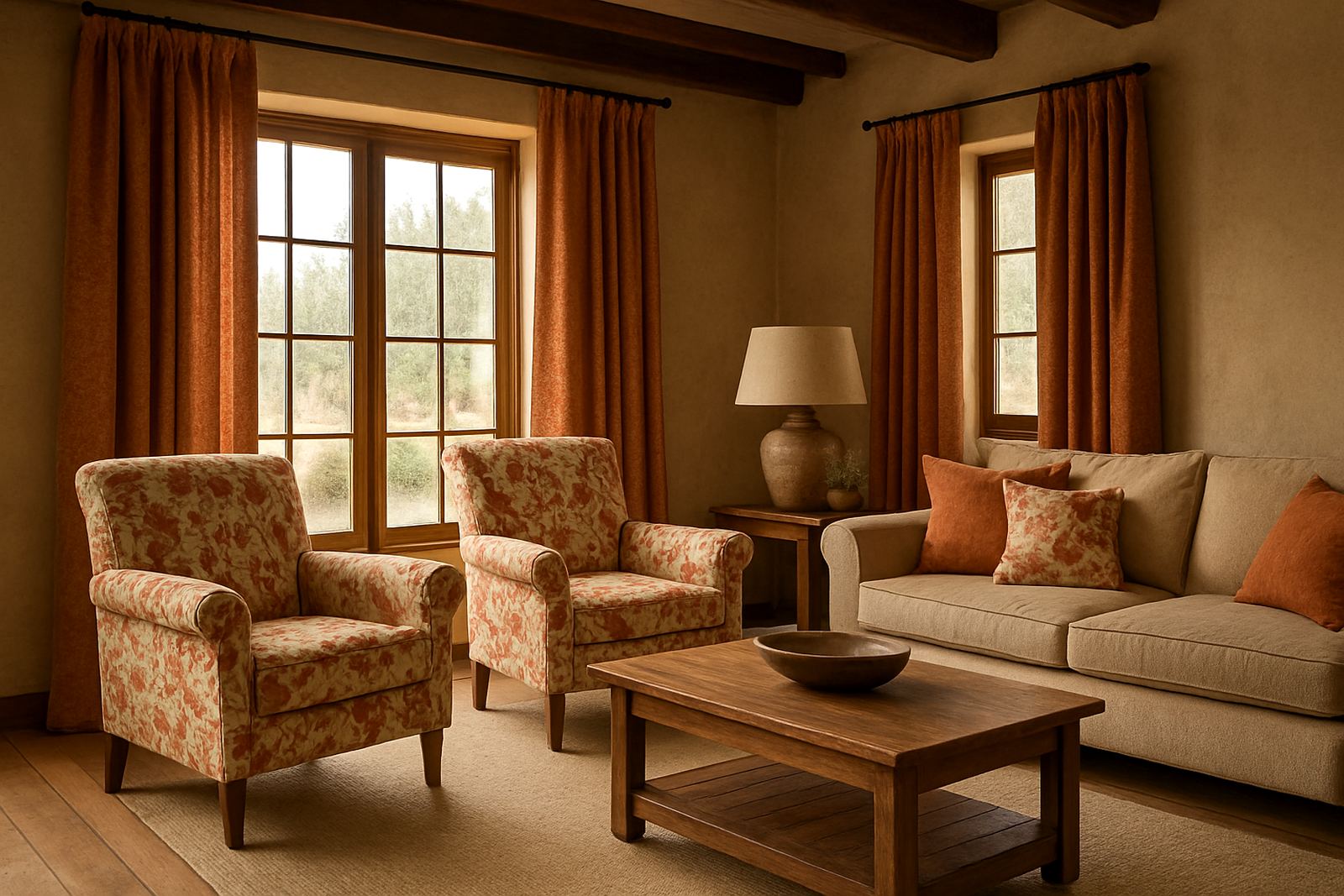
The finished fabric gave the lodge a calmer, more considered interior. The curtains softened the rooms without blocking the natural light that visitors expect in the Cape Winelands, and the upholstered pieces tied the guest spaces together with one consistent textile language. The client wanted the upgrade to feel fresh but not trendy, and that was achieved through careful colour control and a restrained repeat. Guests now move through the rooms without seeing the fabric as a separate feature, which is often the sign that it has been chosen well.
From a practical side, the lodge team had less handling work because the cloth arrived finished and sorted. That saved time for the installer and reduced the risk of errors on site. The textiles also held their shape properly during hanging and fitting, which helped the final look settle into place faster. For a property that needs to welcome guests regularly, that kind of consistency is worth more than a flashy print.
What we would do again for a similar lodge
For another Stellenbosch property, we would follow the same approach: sample first, confirm the colour in real light, and keep the pattern scale suited to the room size. Hospitality projects move better when the fabric supplier understands the practical side too, from cleaning access to install timing and courier handling. If there is any doubt on quantity, we would rather allow a little extra metreage than end up short on the day.
We would also keep the brief close to the building materials already in place. In a wine lodge, the surrounding finishes do a lot of the visual work, so the fabric should support them not compete. That means checking curtain length, seat depth, exposure to sunlight and the likely wear points before the first print run starts. It is a straightforward process when the information is complete, and it helps avoid expensive rework.
- Always start with a strike-off sample
- Match fabric to light, timber and wall colour
- Allow for wear points on seats and arms
- Keep spare metreage for future repairs or replacements
Key facts
| Client type | Boutique hospitality lodge in Stellenbosch |
|---|---|
| Project scope | Printed upholstery and curtain textiles |
| Services used | Custom Fabric Printing, Repeat Pattern Setup, Colour Matching, Strike-Off Sampling, Hemming and Finishing, Packing and Courier |
| Timeline | 3 weeks from brief to dispatch |
| Production base | Ndabeni, Cape Town |
| Delivery area | Courier fabric to Stellenbosch and nationwide |