Why booth display fabric choice matters on a busy show floor
A booth is judged in seconds. At a market, trade show or roadshow, people decide whether to stop by based on colour, clarity and how tidy the stand looks. Printed fabric is often a better choice than rigid signage because it folds smaller, weighs less and gives a softer, more finished look around tables, walls and product plinths.
For Cape Town setups in places like Woodstock, Salt River or Century City, the practical side matters just as much as the look. You may need to carry the fabric in a bakkie, set up before the doors open, then pack down fast after load shedding, weather changes or a long trading day. That means the textile should be the right weight, printed clearly and finished properly at the edges.
Fabric printers work best when the brief is specific. A stall at a weekend market in Ndabeni will need different handling from a corporate activation at the CTICC or a pop-up in a mall walkway. Size, drape, fixing method and lighting all change how the final display reads.
Print ideas that work well on stalls, expo walls and activation frames
The strongest booth display fabrics are the ones that keep the message simple and visible from a few metres away. Large logos, bold shapes and clear contact details usually perform better than crowded artwork. If the stand is used often, build the design so it can be re-used with different product messages or campaign dates.
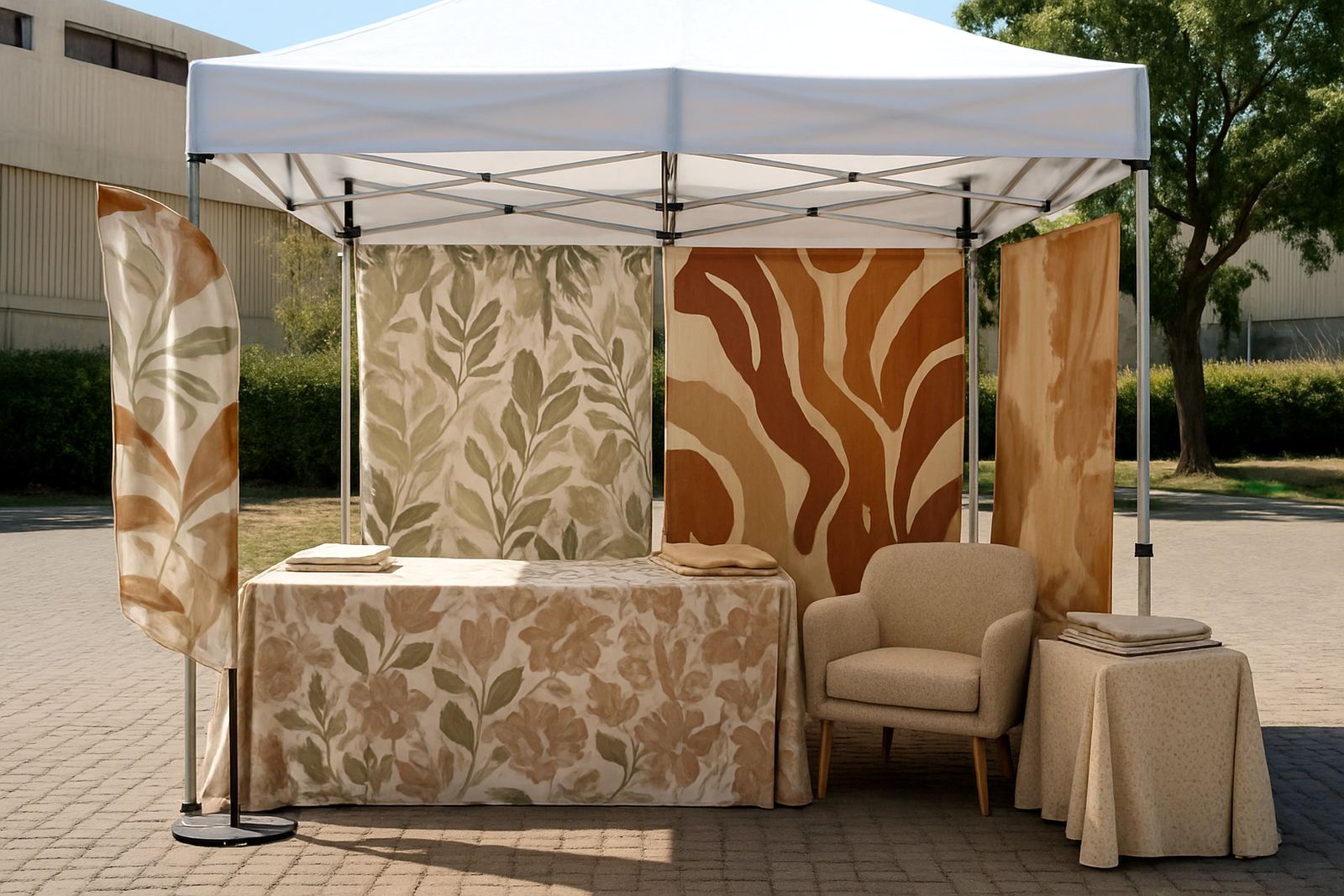
- Back walls with all-over repeat pattern or oversized branding
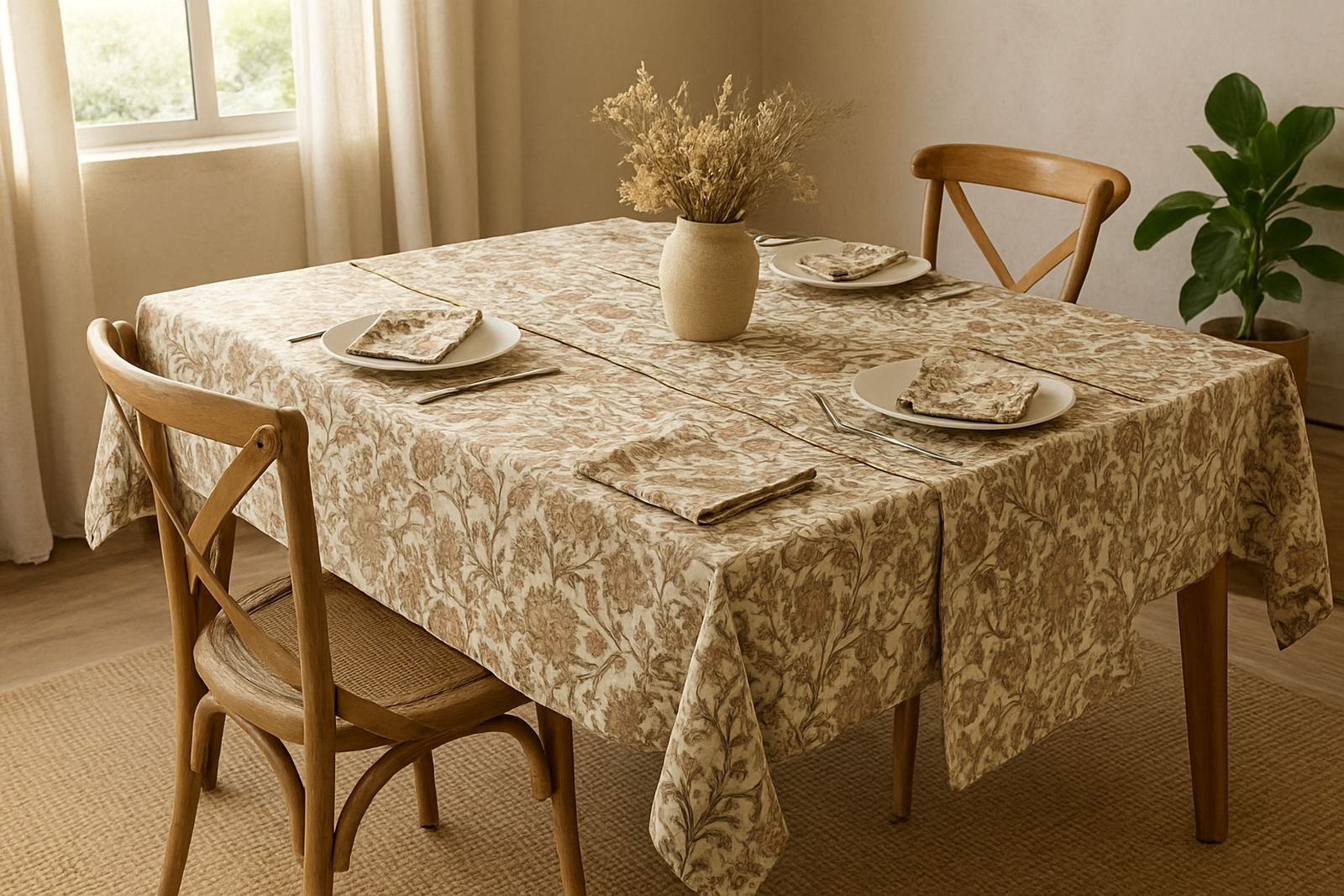
- Table drops that hide crates, stock boxes and cable runs
- Hanging banners for aisle visibility in crowded halls
- Feature panels for product launches and photo points
- Lightweight flags for outdoor markets and sports activations
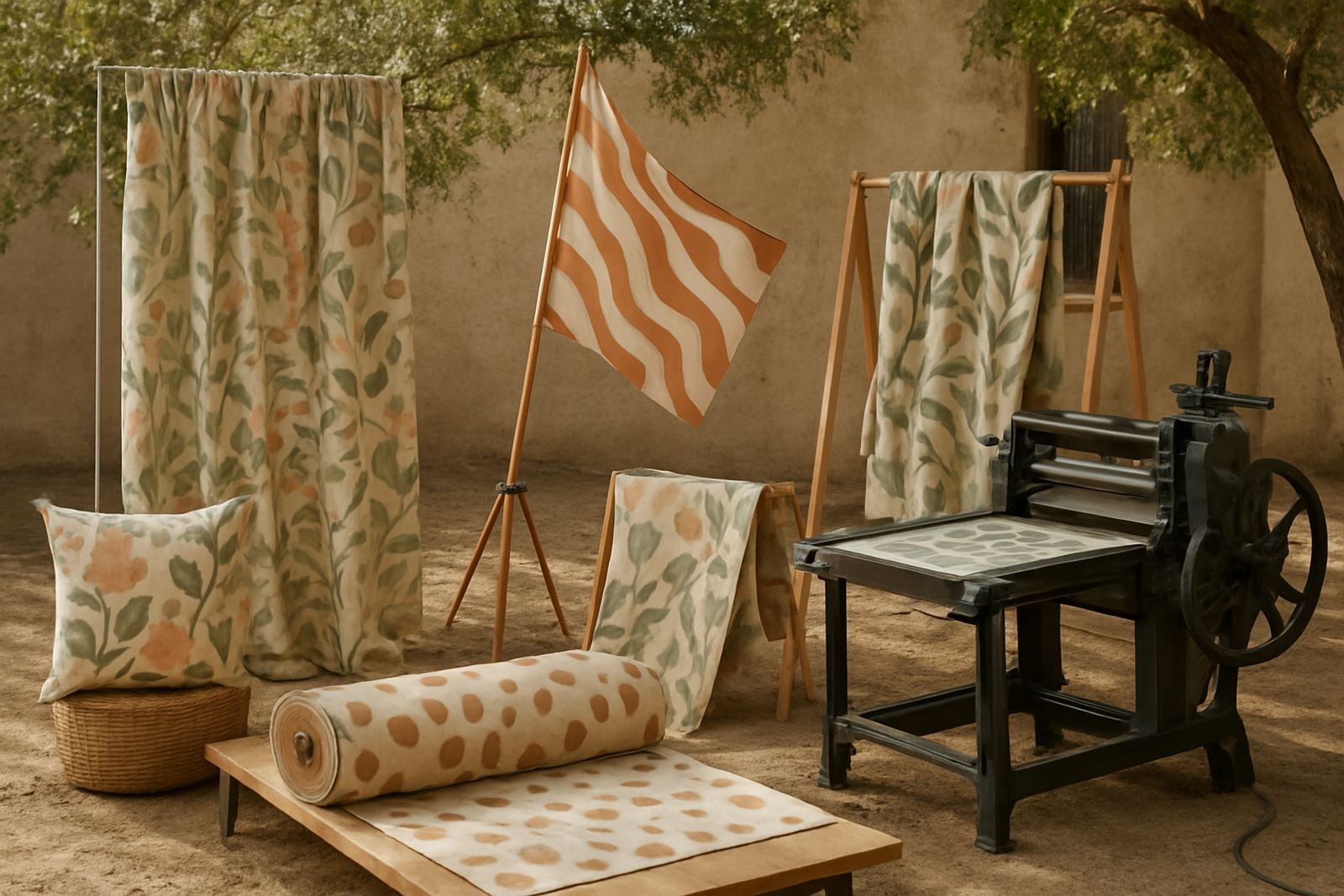
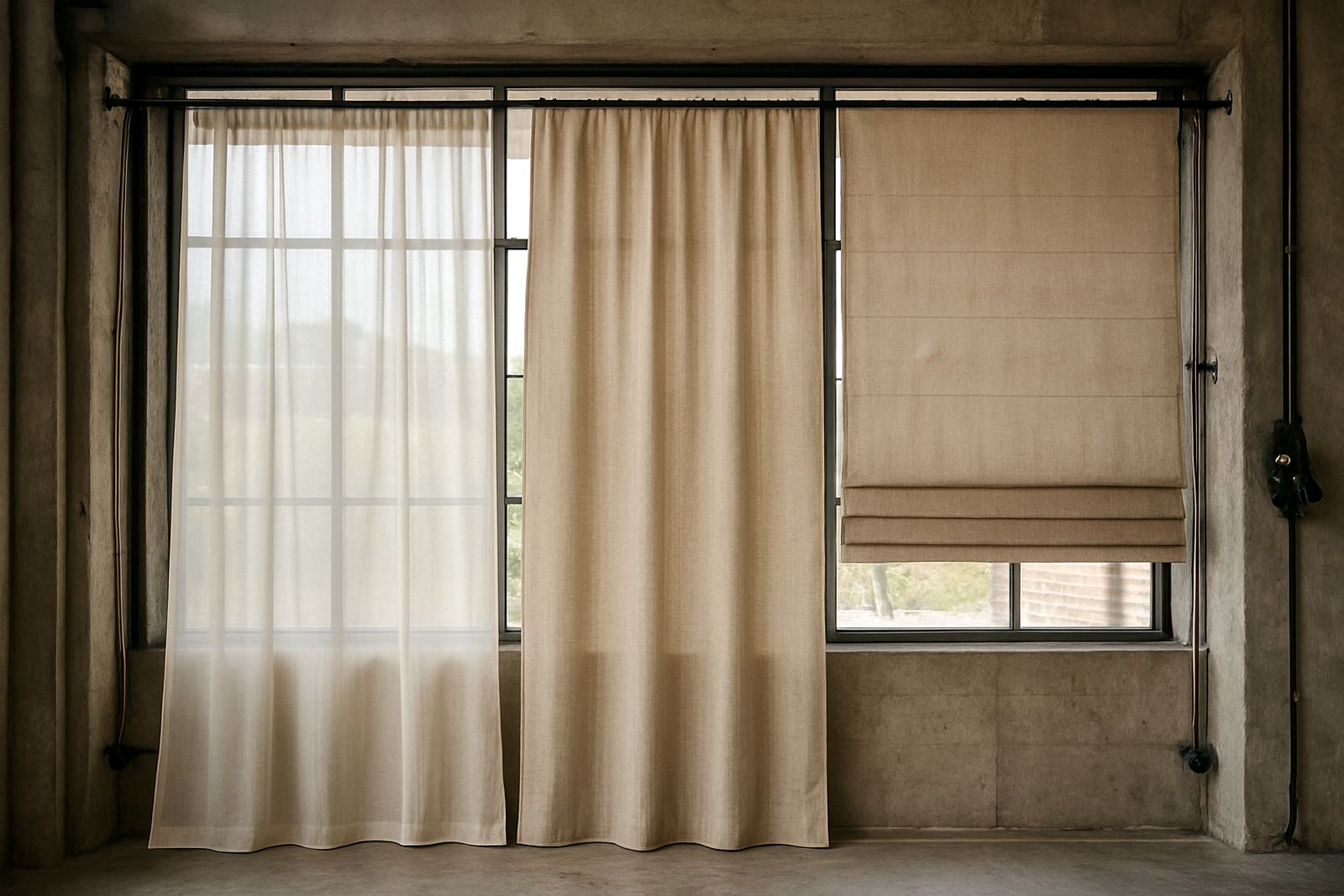
For fashion, food and lifestyle brands, fabric also softens hard lighting and helps a small space feel more considered. A clean printed curtain behind a tasting counter or craft stand can do more for attention than a lot of loose signage. It also photographs well, which helps when teams post images after the event.
Picking the right fabric weight and finish for repeated use
Not every display fabric needs the same cloth. A wall panel for an indoor expo can be lighter than a table cloth that gets washed often or a banner that faces coastal wind. In Cape Town, humidity can affect storage and packed-up displays, especially near the harbour or along the Atlantic side, so the fabric should be chosen with transport and care in mind.
For booths that are packed and unpacked every week, hemmed edges and neatly finished seams make a real difference. They reduce fraying and help the fabric hang straight. If the display needs tension across a frame, the cut must be accurate and the print repeat aligned so the image does not look skewed once fitted.
- Use lighter fabric for backdrops and ceiling hangers
- Choose a sturdier cloth for table covers and high-touch surfaces
- Ask for colour matching when brand shades must stay consistent
- Request strike-off sampling if the design has fine text or subtle gradients
- Plan the fixing method early so eyelets, sleeves or hems suit the frame
For outdoor activations, it helps to think about sun exposure and wind. A flag at a flea market in Bellville or a product roadshow in Paarl must hold colour and keep its shape after more than one use. Good packing and courier handling matter too, because a sharp fold across a printed face can spoil the first impression.
How Fabric Printers Studio handles short runs and repeat event stock
Some clients only need one branded backdrop for a local market. Others need several sizes for a touring team, with stock sent to different towns across South Africa. Both need the same level of care at print stage, because a small run still has to land correctly on the stand.
At Fabric Printers Studio in Ndabeni, the process usually starts with file checking, then colour matching if the brand requires it. After that, repeat pattern setup or layout work is done for the specific format. Small batch printing suits one-off activations, while bulk print runs help when a client needs multiple stalls to look the same across different venues.
The team also handles hemming and finishing, packing and courier, which is useful when a stand is moving between Cape Town, Gauteng and coastal towns. If you are running a campaign from a Woodstock shopfront one week and an activation in Century City the next, the fabric needs to arrive ready to use, not needing last minute trimming.
There is also value in sampling. A strike-off can show how the colour lands on the chosen cloth before the full run is printed. That saves money and avoids last-minute surprises when the stand is already booked and the install date is fixed.
A local example from Ndabeni to the expo floor
Think of a small Cape Town business preparing for a trade weekend. The team wants a neat front drop for their table, two upright side panels and a hanging flag that can be seen from the aisle. The display needs to look sharp under hall lighting and still pack into a car after the event.
In that case, the smartest approach is often a coordinated fabric set rather than mismatched signage. The table cloth carries the logo and web address, the side panels show product imagery, and the flag acts as a marker from a distance. If the same business then attends a market in Observatory or a client day in Montague Gardens, the pieces still work together.
That kind of planning saves time on setup. It also helps with compliance where venues are strict about fire treatment, aisle space and hanging points. When the fabric is measured properly from the start, the team spends less time adjusting folds and more time talking to visitors.
What to send with your booth display brief
A good brief makes the job faster and cleaner. It should include dimensions, where the fabric will be used and whether it must be re-used often. If there are poles, frames or hooks already in place, send the measurements with clear notes on placement. If the stand travels by courier, say so early so the packing format can be planned properly.
- Artwork files in the correct size where possible
- Exact finished measurements for each panel
- Indoor or outdoor use details
- Preferred fabric finish and hem style
- Brand colours, logos and any small text that must stay readable
- Delivery town, event date and contact person for receipt
For businesses that trade at expos, markets and activations all year, booth display fabrics should be treated as working tools. They need to look right, last through transport and still be easy for the team to manage on the day. That is where local printing, careful finishing and sensible advice make the difference.