Why fabric carries a brand faster than a logo
When you sell candles, homeware, clothing or gift items, the fabric does more than cover a product. It gives the customer a signal about who made it and what sort of quality to expect. A custom print can do this before anyone reads your label. That matters in markets, pop-up shops and retail shelves where shoppers make split-second choices.
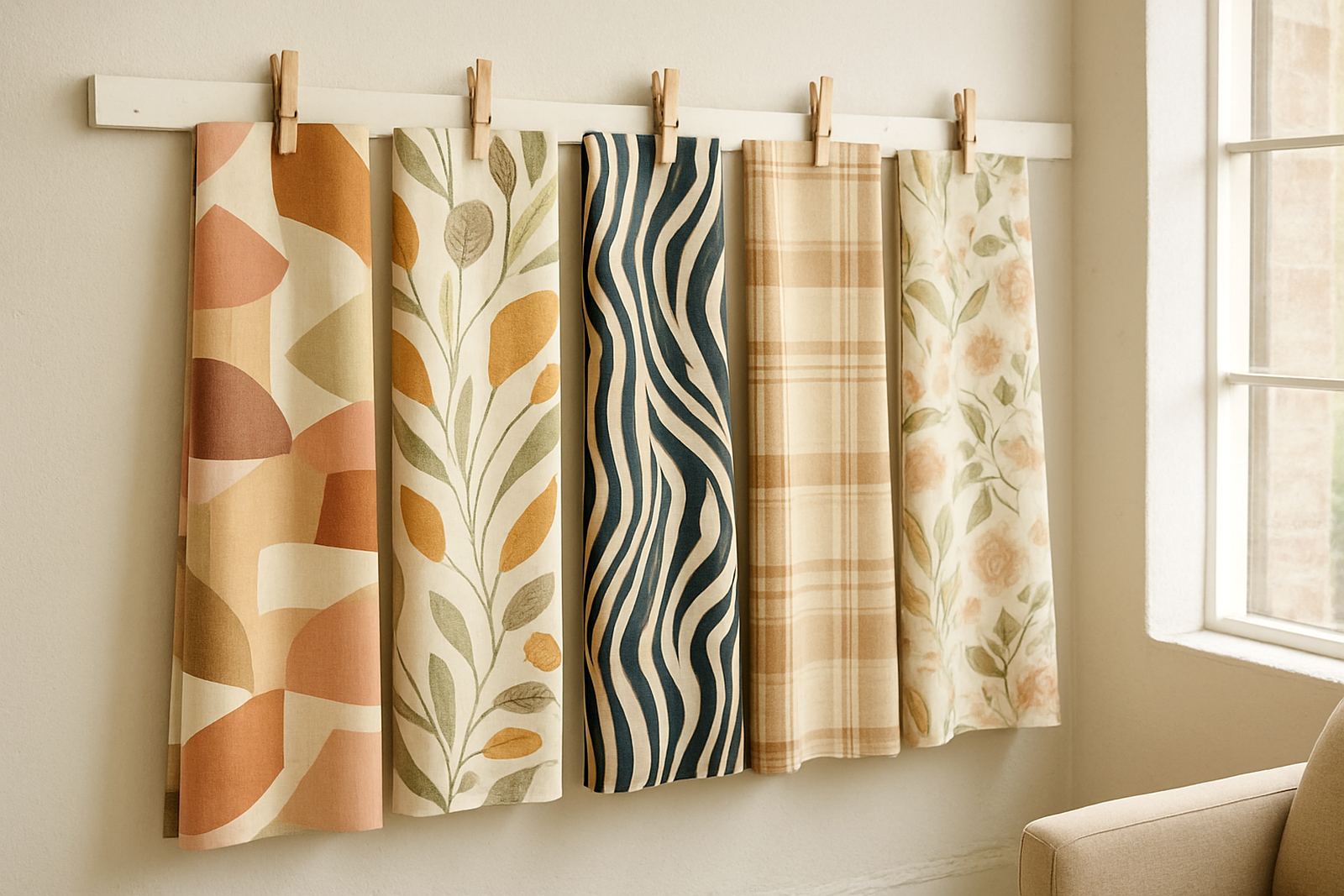
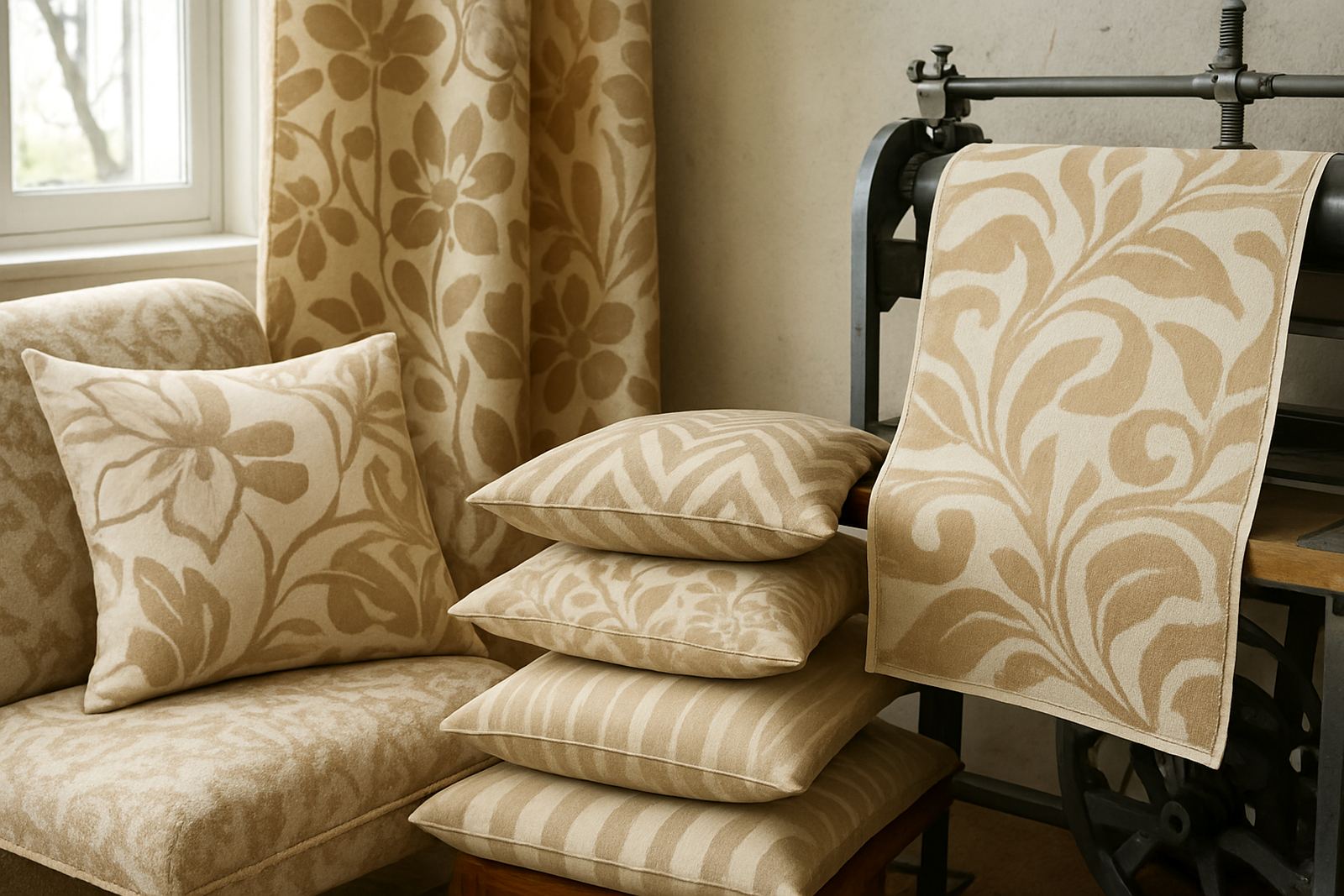
For small makers in Cape Town, a printed fabric range can help with consistency. Instead of changing patterns every season, you can keep one visual language across aprons, cushion covers, tote bags and garment trims. It is easier for customers to remember a stall when the same colours and motifs keep showing up.
- Use one or two base colours across your product range
- Keep repeat sizes suited to the item, not just the artwork
- Match the fabric weight to the end use, from light fashion cloth to heavier upholstery cloth
A brand that looks planned tends to sell better than one that looks pieced together in a hurry.
Start with a repeat that suits your product, not just the artwork
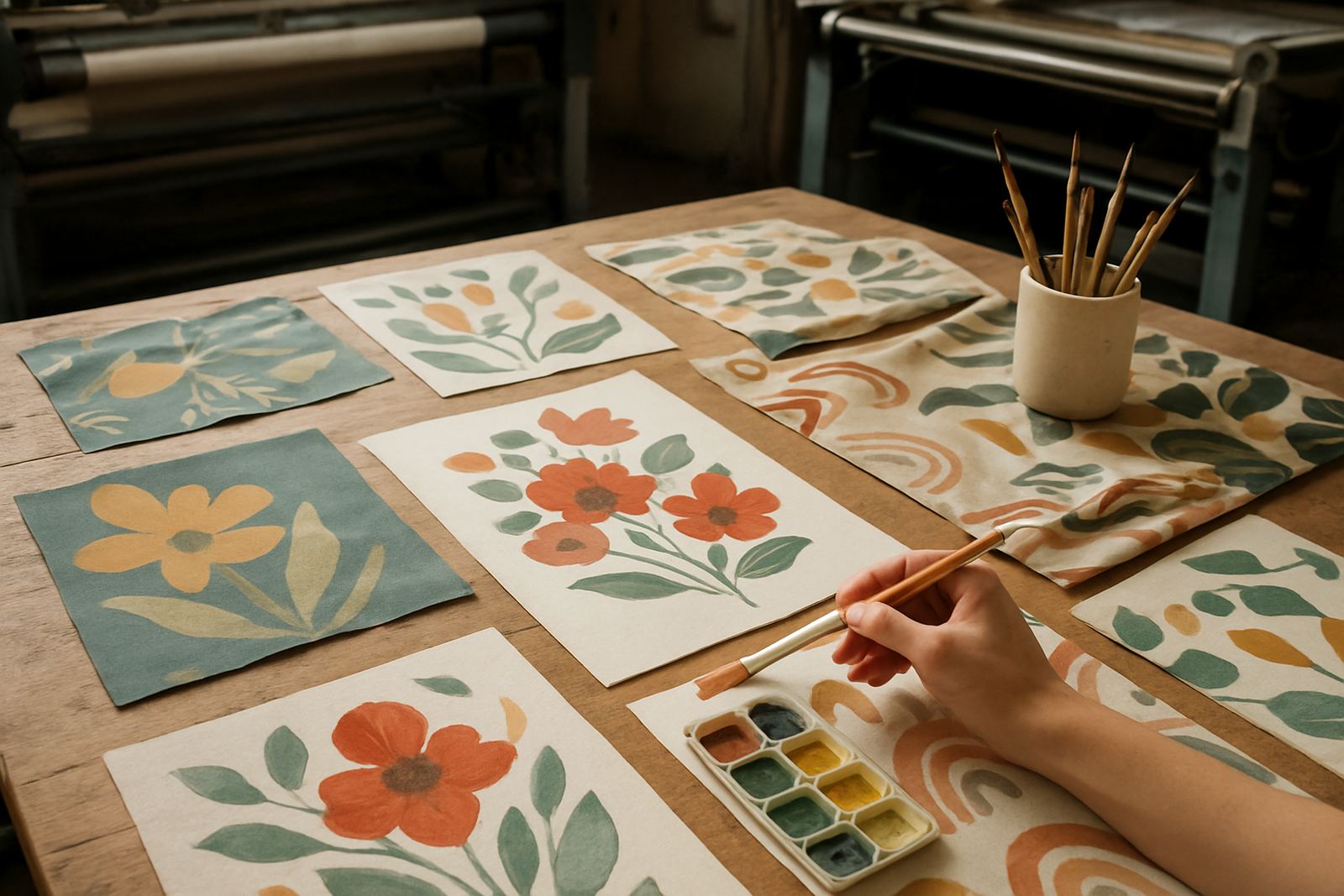
Many makers fall in love with a pattern on screen, then discover it does not work when printed across metres of fabric. A proper repeat pattern setup helps the design sit neatly across seams, hems and folds. For clothing, smaller repeats often work best because they break less awkwardly around darts and panels. For curtains and large decor items, a bigger repeat can keep the design from feeling cramped.
If you are printing for table runners or tote bags, the placement also matters. A centred motif may work on a front panel, while an all-over repeat may suit linings and larger runs. Fabric Printers Studio works with repeat pattern setup, file checking and strike-off sampling so makers can see the result before committing to a full order.
- Check the repeat size against your pattern pieces
- Leave room for seams, hems and shrinkage after washing
- Ask for a strike-off when colour accuracy matters
Good pattern planning saves time and reduces waste, especially when you are ordering small batches and cannot afford trial and error on every roll.
Colour choices that hold up in Cape Town conditions
Small makers in coastal areas deal with a few practical issues that do not always show up in a sample on a counter. Humidity, sun exposure and regular handling can all affect how printed fabric behaves. If your products are sold in Sea Point, Woodstock or at weekend markets near the coast, colours need to stay clear and fresh for longer than a single season.
Colour matching is worth the effort when your brand depends on a particular shade. A muted sage, deep navy or warm terracotta can become part of your identity if it is consistent across batches. That is especially important for makers supplying boutiques or doing repeat orders for event clients. One batch that is too bright or too dull can throw off the whole range.
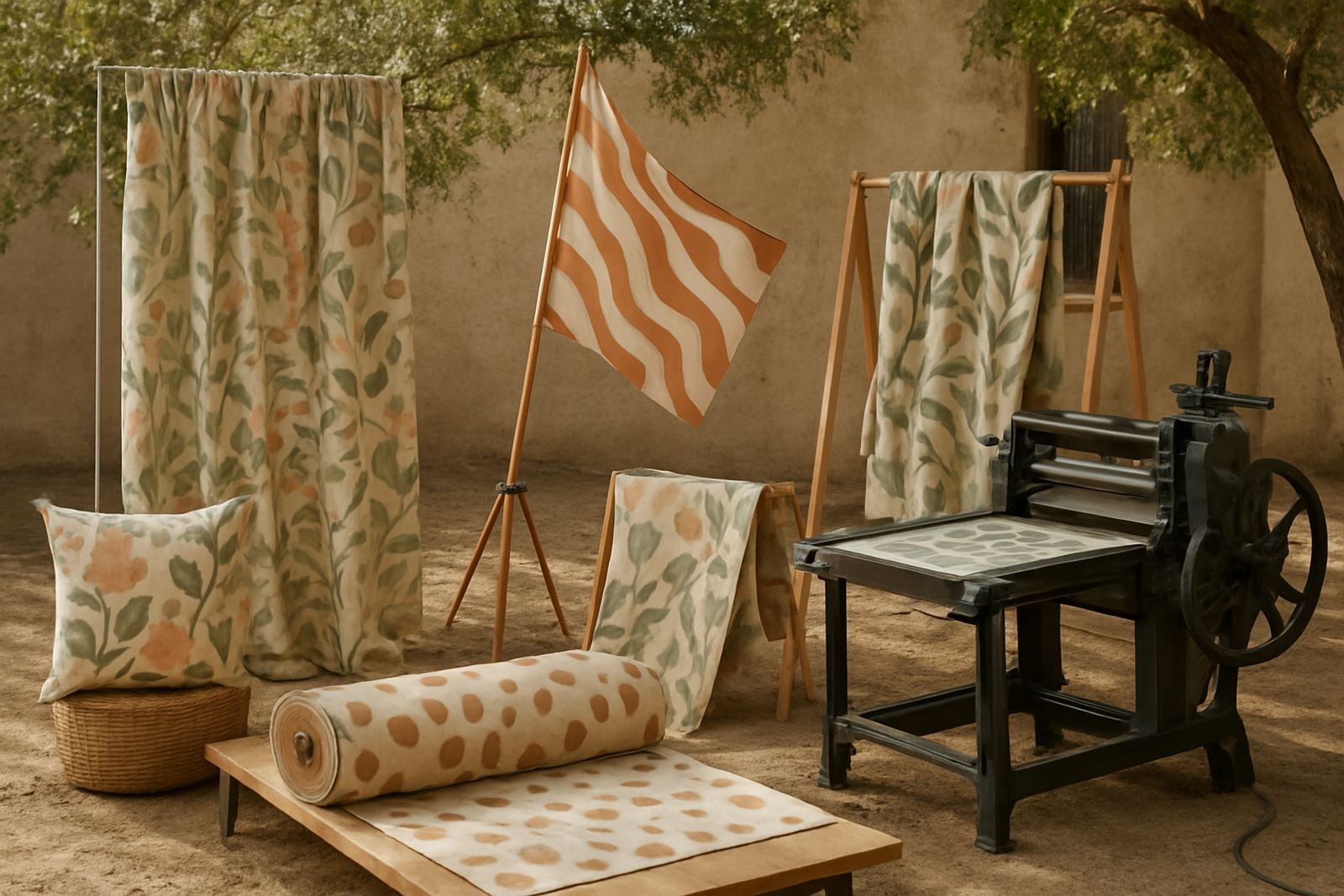
For items that will be washed often, ask about the base cloth and finishing. Some fabrics suit soft furnishings, while others are better for fashion pieces or display flags. If you are selling in homes near the coast, you want a print that still looks sharp after sunlight and regular cleaning.
A local example from a Woodstock maker at a weekend market
A small homeware maker in Woodstock might start with just three products: oven gloves, tea towels and cushion covers. At first the products are well made but look unrelated. One set uses florals, another geometric shapes and the third a plain stripe. Sales are uneven because the table does not read as one range.
Once the maker shifts to a custom printed fabric with a shared palette and matching repeat, the stall becomes easier to recognise. Customers begin to remember the colours before they remember the item names. The same print can move from tea towels to aprons to scatter cushions without looking forced. That kind of consistency helps a small business look established, even before it has a large shop network.
In practical terms, the maker can order small batch printing for testing, then move to bulk print runs once the design proves itself. Packing and courier make it easier to supply clients beyond Cape Town, which is useful if orders start coming from Johannesburg, Durban or smaller towns where the maker cannot visit in person.
- Test one design across three product types before expanding
- Keep your hero print visible on market signage and packaging
- Use the same fabric language for fairs, online orders and wholesale clients
What to ask before placing your first print run
Before you commit, get clear on the fabric use, the quantity and the finish. A print for curtains is not the same as a print for fashion tops or bags. If you need hemming and finishing, ask early so the fabric can be prepared properly. If you are sourcing cloth as well as printing, confirm the fabric type and what lead time applies.
It is also smart to check the artwork file before printing. File checking helps avoid blur, stretched repeats and weak lines that only show up after production. For makers who are growing steadily, a clean process makes reordering much easier because the same design can be used again with less back-and-forth.
- What fabric type suits my product and wash routine?
- Can I see a strike-off before the full order?
- Do you handle packing and courier to my area?
- Is there support for small batches as well as larger runs?
These questions help a maker protect margin. They also stop expensive errors like over-ordering fabric that does not suit the final product or colour that misses the brief.
Using printed fabric to grow from market stall to repeat customer
Branding with fabric is not only about looking good on the day. It helps create repeat recognition, which is often how small South African makers build stable income. A customer who buys one item should be able to spot the same maker again, whether they meet you at a market in Salt River, through a referral from Century City, or in a courier parcel sent nationwide.
The best part is that custom fabric can grow with the business. You can begin with a single signature print, then add seasonal colours, limited editions and larger commercial orders. That lets the brand stay fresh without losing its core look. For a maker, that is far better than changing direction every few months and confusing regular buyers.
In a crowded market, fabric can do the talking before you do. If your print feels considered, your products feel considered too.