Why table linen changes the whole room
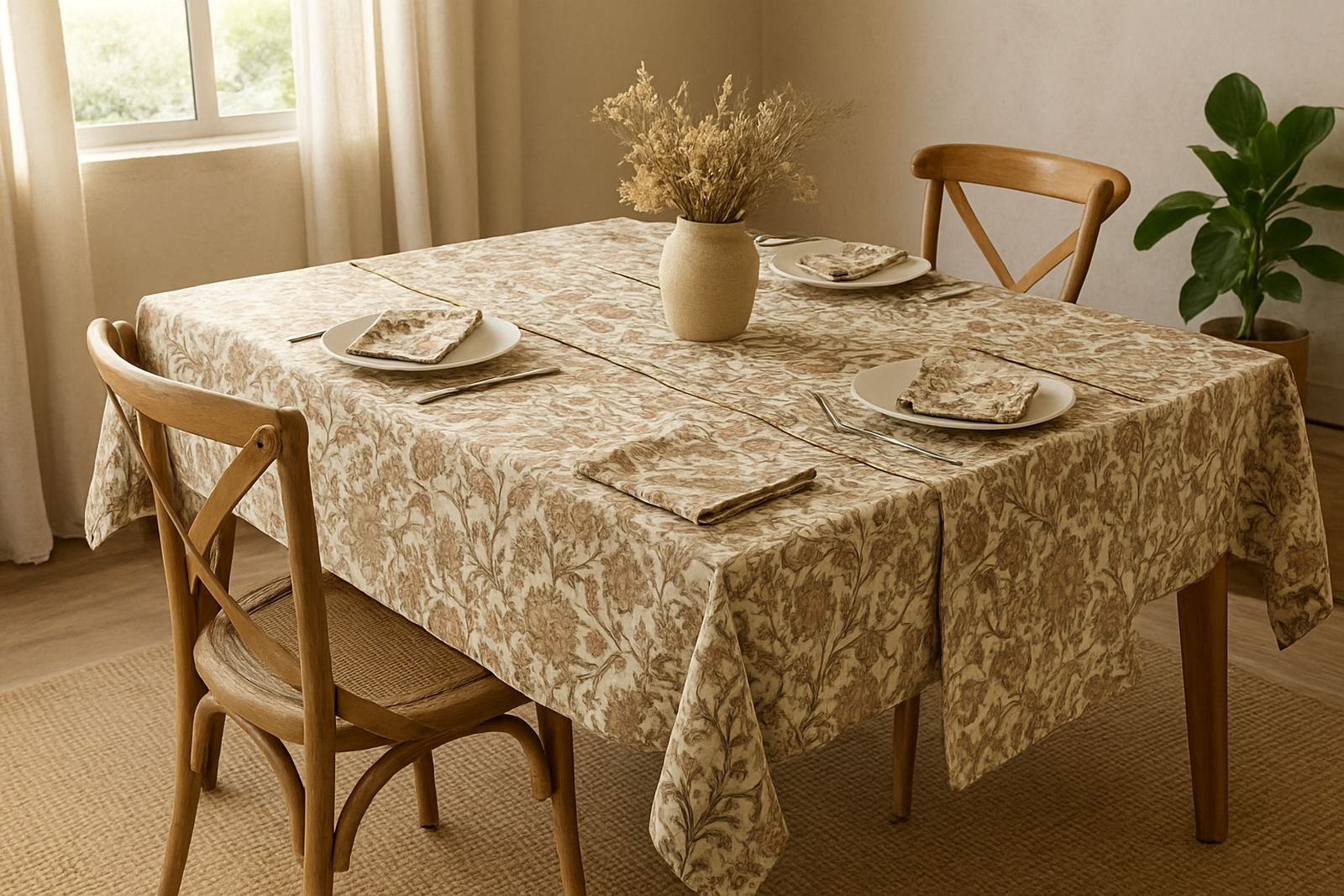
A table is often the first place people look when they walk into a dining room, function venue or marquee, which is why the cloth matters so much. A plain table can feel unfinished, while a printed runner, full drop cloth or coordinated napkin set can make the space feel planned without needing a lot of extra décor.
For homes, the right table linen can make weekday meals feel more considered and special. For events, it helps carry a theme across the room, whether the brief is formal, coastal, botanical or simple and modern. In Cape Town, where many venues deal with bright daylight, wind and frequent setup changes, good textile choice saves time as well as effort.
At Fabric Printers Studio in Ndabeni, the focus is on print-on-demand fabric made for real use. That means clients can order the length they need, test colour before printing in bulk and choose finishes that suit the setting, from everyday dining tables to higher-traffic hospitality work.
Choosing print styles that suit the table
Table linen works best when the print matches the shape and scale of the furniture. Large prints can look strong on banquet tables and long buffets, while smaller repeats tend to suit intimate dining settings and layered table settings. If the room already has patterned chairs, bold walls or busy centrepieces, a calmer print usually gives better balance.
Colour also carries a lot of weight. Warm earth tones feel relaxed and homely, while blues, greens and neutral sands are often chosen for coastal venues and corporate functions. Dark grounds can be practical for repeated service, especially where there is frequent handling, but they need careful colour matching so the cloth does not look flat under indoor lighting.
- Choose bold repeats for buffet tables and display areas.
- Use smaller repeats for dining settings and hospitality tables.
- Keep one colour family across runners, napkins and overlays.
- Test the fabric under both daylight and warm indoor light.
If you are styling for an event in Woodstock or Century City, the same print can look very different depending on the venue finish. A strike-off sample helps avoid surprises before you commit to a full run.
Fabric choice for homes, venues and outdoor service
The base fabric matters just as much as the print. For home table linen, clients often want a softer handle and a cloth that folds neatly for weekly use. For venues, restaurants and function hire, a more durable fabric with better wash performance is usually the safer choice. Upholstery weight textiles can work for heavy-use service tables or decorative skirting, while lighter fabric may be better for overlays and runners.
Cape weather also plays a part. Coastal humidity in areas like Salt River and the wider city can affect how fabric stores and dries, so materials need to handle laundering properly. For outdoor events, a fabric that keeps its colour and shape after transport is useful, especially if the tables are set up early and left in changing sun and wind.
It is worth asking about hemmed edges, reinforced corners and whether the cloth will be cut to exact table sizes or made with a drop allowance. A neat finish helps the piece sit properly and makes repeated use much easier.
Getting the measurements right before printing
Good table styling starts with the tape measure. A cloth that is too short can look hurried, while one that is too long may drag and pick up dirt or trip staff during service. Measure the full table length and width, then decide how much drop you want on each side. A formal dining look usually needs a longer drop than a casual breakfast table.
For round tables, the diameter and drop length need to be considered together. For trestle tables and event tables, it helps to measure more than one table because even a few millimetres can change the finish once cloths are hemmed. If you are doing a wedding or conference series, the same pattern may need to be scaled for different table sizes rather than printed one size only.
- Measure the table top, not just the legs or frame.
- Decide on the drop before ordering the print.
- Allow extra for hemming and shrinkage where needed.
- Check whether the cloth must sit flat or puddle slightly.
For businesses that order across multiple sites, from Montague Gardens to Observatory, consistent sizing matters. A client should be able to unpack the linen and use it right away, with no last minute alterations.
Table styling for events in Cape Town
In Cape Town, table linen often has to work harder than it does in a single home setting. A conference table may need to look smart for three days in a row. A wedding table may need to photograph well in bright afternoon light and still hold up after supper service. A product launch may need branded fabric that supports the rest of the room without fighting it.
A local example is a small corporate breakfast in Ndabeni where the organiser wants a printed runner, matching napkins and a calm backdrop for flower jars and notebooks. The smartest choice is often a repeat pattern in two or three colours, because it keeps the set organised and easy to reuse. If the venue is near the harbour or in a windy spot, heavier cloth or a secure table drop can stop corners lifting during service.
For event work, the planning stage should also include packing and courier. If linen is travelling nationally, it needs to be folded, labelled and protected so it arrives ready to set out. That saves time on site and avoids rushed ironing on the day.
Print care, washing and repeat use
Printed table linen should be made with care on the front end, but it also needs a practical care routine. Most clients want cloth that can be washed, dried and packed again without losing the look that made them choose it in the first place. Bright whites, deep blacks and strong colours all need attention to avoid fading and patchy wear over time.
It helps to set a simple care process from the start. Keep dining cloths separate from heavy-duty service linen, remove stains quickly and avoid harsh treatment that can damage print detail. If a cloth is used for catering, make sure food-safe handling rules are followed at the venue and that the fabric is fully dry before storage.
If the linen will be used often, ask for a test sample before bulk printing. That small step can show how the fabric behaves after washing, how the colour sits against crockery and whether the print reads clearly from across the room.
- Wash soon after use to avoid set-in stains.
- Dry fully before folding and storage.
- Keep a spare set for busy weekends or long events.
- Use a sample first if you are printing in volume.
Working with a local printer for better results
A good printed table linen job is usually the result of proper file checking, clear colour matching and honest advice on fabric choice. That is where a local production team makes a real difference. At Fabric Printers Studio in Ndabeni, the process can include repeat pattern setup, strike-off sampling, hemming and finishing, as well as packing and courier for clients across South Africa.
The team includes Luvuyo Mbeki, Anika van Wyk, Siyabonga Dlamini, Megan Naidoo, Charné Botha and Thabo Molefe, which helps keep the work moving from design to dispatch without delays. For customers in Woodstock, Salt River, Observatory and the surrounding areas, local turnaround can be especially useful when a deadline is close or a colour needs another look.
Whether the brief is for a family table, a restaurant refresh or an event series, the aim is the same: cloth that looks planned, prints cleanly and lasts well enough to be used again. That is what turns table linen from a cover into part of the room.