Start with the first wash, not the last one
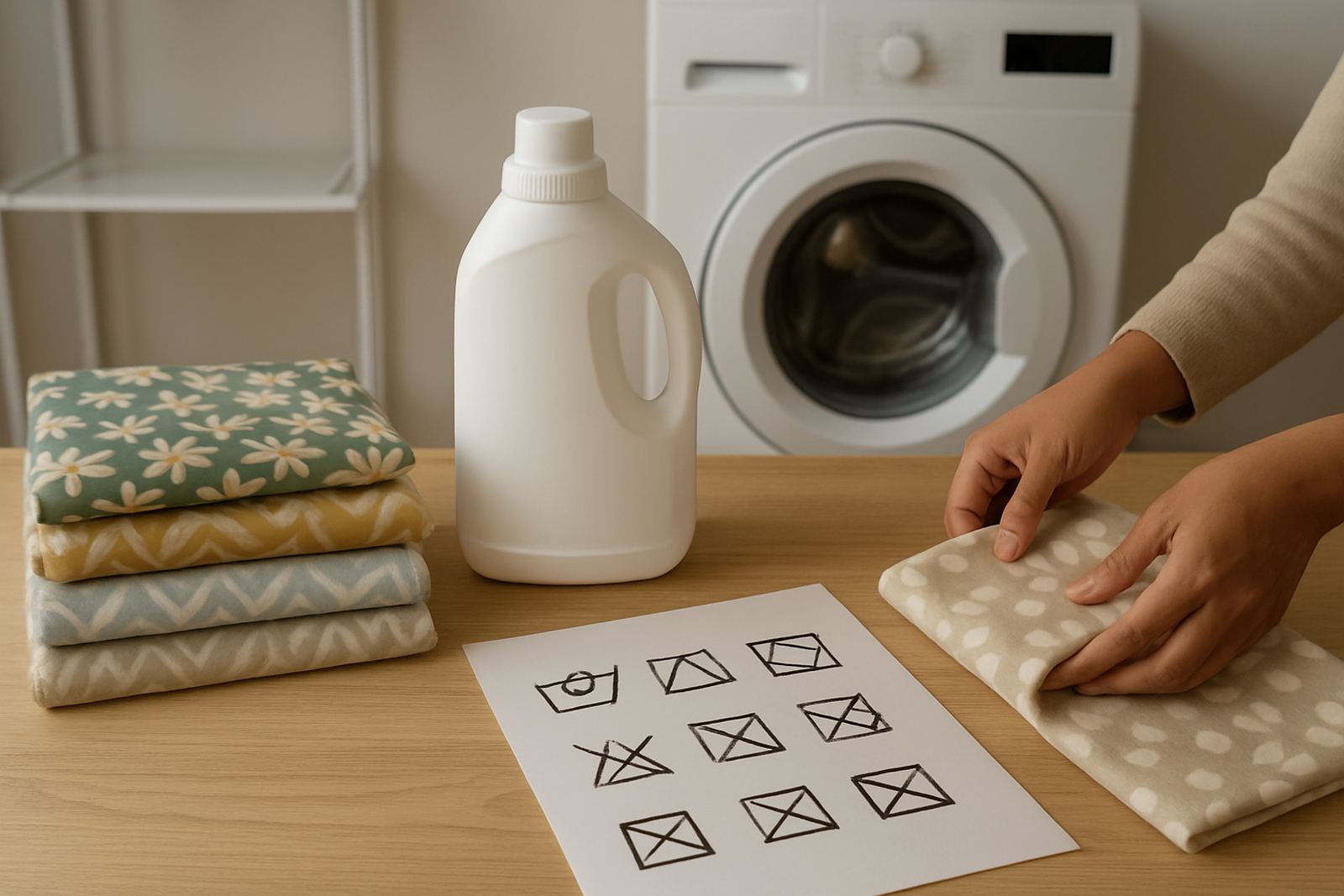
The first wash matters because loose surface dye, finishing residues and dust from handling can still sit on the cloth. If the fabric has just come from print, let it rest dry first, then wash it gently in cool or lukewarm water. That is usually enough to settle the surface and show you how the cloth behaves before it goes onto curtains, clothing or upholstery.
At our Cape Town base in Ndabeni, clients often ask whether printed fabrics need a special treatment before hanging or sewing. In most cases the answer is no, but it helps to avoid a hard start. Keep the first clean simple, and do not mix fresh printed items with heavy towels, jeans or anything with zips that can rub the surface.
- Wash similar colours together
- Turn printed fabric inside out if the construction allows it
- Use a mild detergent and skip bleach
- Rinse well so residue does not build up on the fibres
Heat is the quickest way to dull good print
Sun and high heat are common causes of fading in South Africa. A curtain in a sunnny west-facing room in Woodstock may hold up very differently from one in a shaded apartment in Century City. If the fabric sits in direct sun every day, try to line it, rotate it now and then, or choose a print placement that is less exposed.
For drying, air drying is kinder than a hot tumble cycle. Overheating can make fibres brittle, pull at hems and reduce the life of the print finish. If you must use a dryer, use the lowest practical setting and remove the item while it is still slightly damp. This is especially useful for cotton blends and decorative fabrics that should keep a softer hand feel.
- Dry out of direct sun where possible
- Keep iron settings low to medium unless the cloth label says otherwise
- Use a pressing cloth on the reverse side if the print is sensitive
- Never iron over damp transfer paper or wet ink areas unless advised
Curtains need different care from upholstery
Not every printed textile is treated the same way. Curtains collect dust and kitchen vapour, while upholstery picks up body oils, food marks and daily wear. A pair of printed curtains in Observatory may only need a gentle vacuum with a soft brush once a month, but a dining chair cover may need spot cleaning after every spill.
For curtains, take them down carefully and follow the fabric type rather than guessing. For upholstery, test any cleaner on a hidden corner first. Pat, do not scrub. Scrubbing pushes dirt deeper and can rough up the print surface. If the piece has lining, foam or inner batting, make sure those layers dry fully before putting them back in place, otherwise you risk smell and mildew later on.
- Vacuum curtains at low suction with a brush head
- Blot spills on upholstery immediately
- Air dry fully before refitting covers
- Check seams and hems after cleaning, especially on older items
Storage matters when the item is not in use
Printed flags, seasonal curtains and event fabrics often spend long periods in storage, and that is where many problems begin. If the cloth is packed while even slightly damp, mildew can set in. If it is folded tightly for months, hard creases may mark the print and make later pressing more difficult.
For best results, store printed fabric in a cool dry place away from direct light. Use breathable covers rather than sealed plastic where you can, especially in coastal areas such as Cape Town where humidity can be an issue. If you have a fabric roll, keep it upright or flat on a clean shelf so the edges do not crush. A simple label on each bundle also saves time when you need to pull stock for a repeat order.
- Make sure items are fully dry before packing away
- Avoid damp garages and warm roof spaces
- Use tissue or clean unprinted paper between folded layers if needed
- Check stored items every few months for moisture or pests
Small repairs stop bigger damage later
A loose hem, a frayed edge or a small snag can spread faster on printed fabric than many people expect. If a curtain is dragging on the floor or a flag is catching wind at the seam, the damage will grow each week. Fixing it early is cheaper and keeps the item looking neat for longer.
This is where proper finishing helps, because a well-hemmed edge and reinforced seam can make a real difference. If you are using printed fabric for a business display, market stall or uniform detail, check the stress points regularly. Even a small tear can spoil the look of the whole piece. Luvuyo and the team often advise customers to keep a small repair kit on hand for quick touch-ups between uses.
- Re-stitch loose hems before they open further
- Trim loose threads instead of pulling them
- Patch small holes from the back where suitable
- Keep a spare panel or spare metre for repeated use items
Choose care methods that match the print job
The best care starts before the fabric leaves the print run. A repeat pattern for curtains, a promotional flag and a chair cover all ask different things from the cloth. If the brief is clear from the start, the final product is easier to look after. That is why file checking, colour matching and strike-off sampling matter, because the right preparation can also influence how the textile behaves after washing and use.
For customers in Ndabeni, Salt River, Montague Gardens and further afield, the practical question is usually simple: how will this item be used every day? A fashion piece may need softer washing and careful pressing. A hospitality item may need tougher handling and more frequent cleaning. If you know the use case, you can pick the right base fabric and finishing before the print starts, which saves time later and helps the colours stay true for longer.
When in doubt, ask for care guidance before the first cut is made. A little planning now usually means fewer replacements, cleaner folds and better value over the life of the fabric.