Use one bold curtain panel to anchor a room
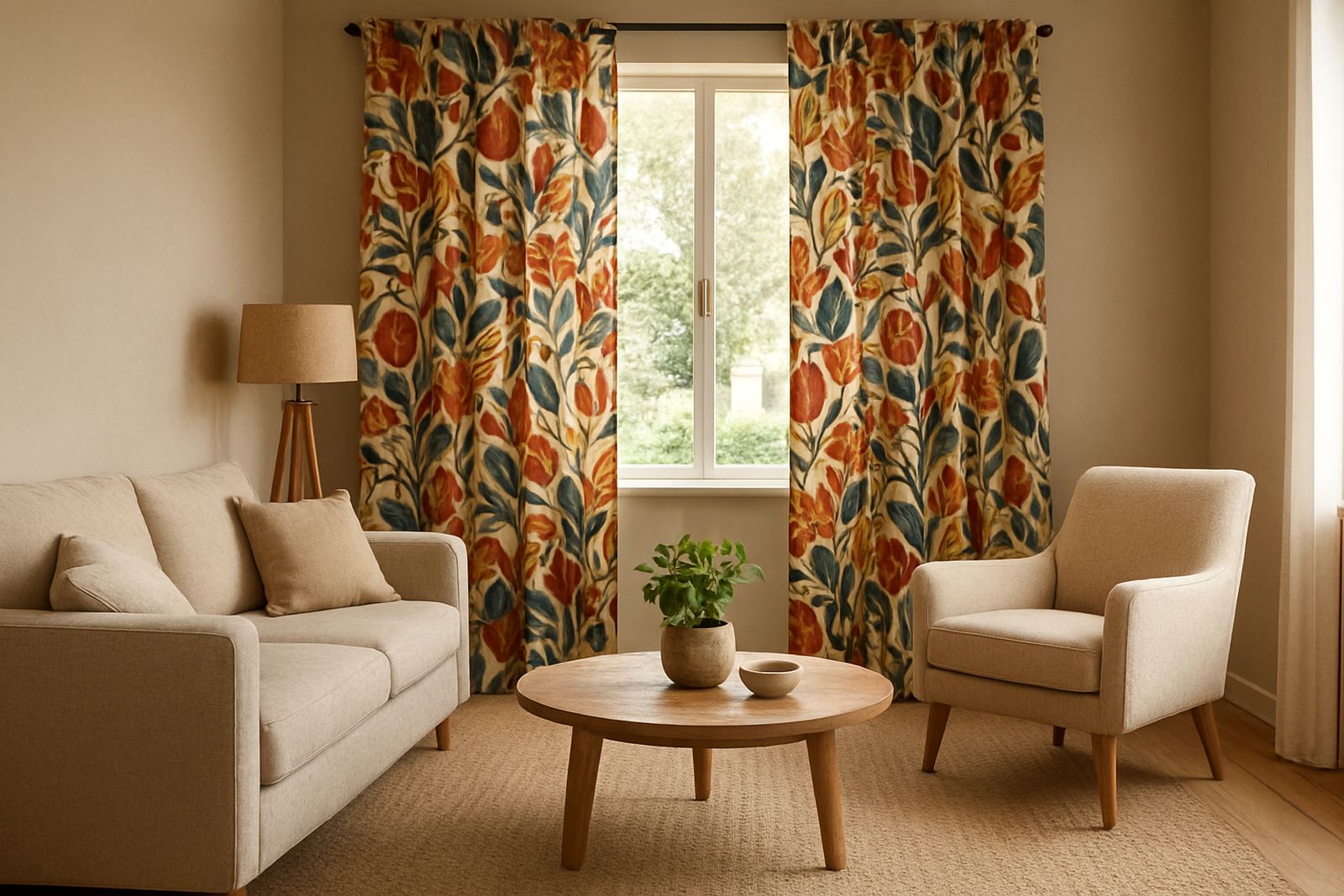
If a lounge or bedroom feels plain, a custom printed curtain can act like artwork from floor to rail. One strong design works well when the rest of the room is kept simple, especially in homes with light walls, tiled floors, and neutral furniture. A single feature print gives you colour without forcing you to repaint the whole room.
In Cape Town homes, this works nicely for west-facing windows where the afternoon sun hits hard. A printed curtain in a heavier fabric can soften glare and still carry a clean design. For smaller rooms, choose a pattern with some open space in it so the window does not feel crowded.
- Use large-scale motifs for open-plan living areas.
- Choose calm tones for bedrooms, then add one brighter accent colour.
- Keep hardware simple so the print stays the focus.
- Line the curtain if the room gets strong sun or a lot of privacy is needed.
Match curtain prints to the way the room is used
The best curtain idea is not only about looks. It also depends on how the room functions day to day. A family room near the kitchen needs a fabric that handles movement, sun and regular opening and closing. A guest room can carry a more decorative print because it is used less often. For offices, studios and reception areas, printed curtains can support a brand colour or soften a sharp corporate interior.
For homes in areas like Observatory or Woodstock, where rooms are often compact and multi-use, curtains can help divide space without building walls. A strong vertical print can make a narrow room feel taller, while a softer repeat can stop a room from feeling busy. If the room has a lot of wood, metal or concrete already, printed fabric helps bring some warmth back in.
- Living rooms: go for larger repeats and medium-weight fabric.
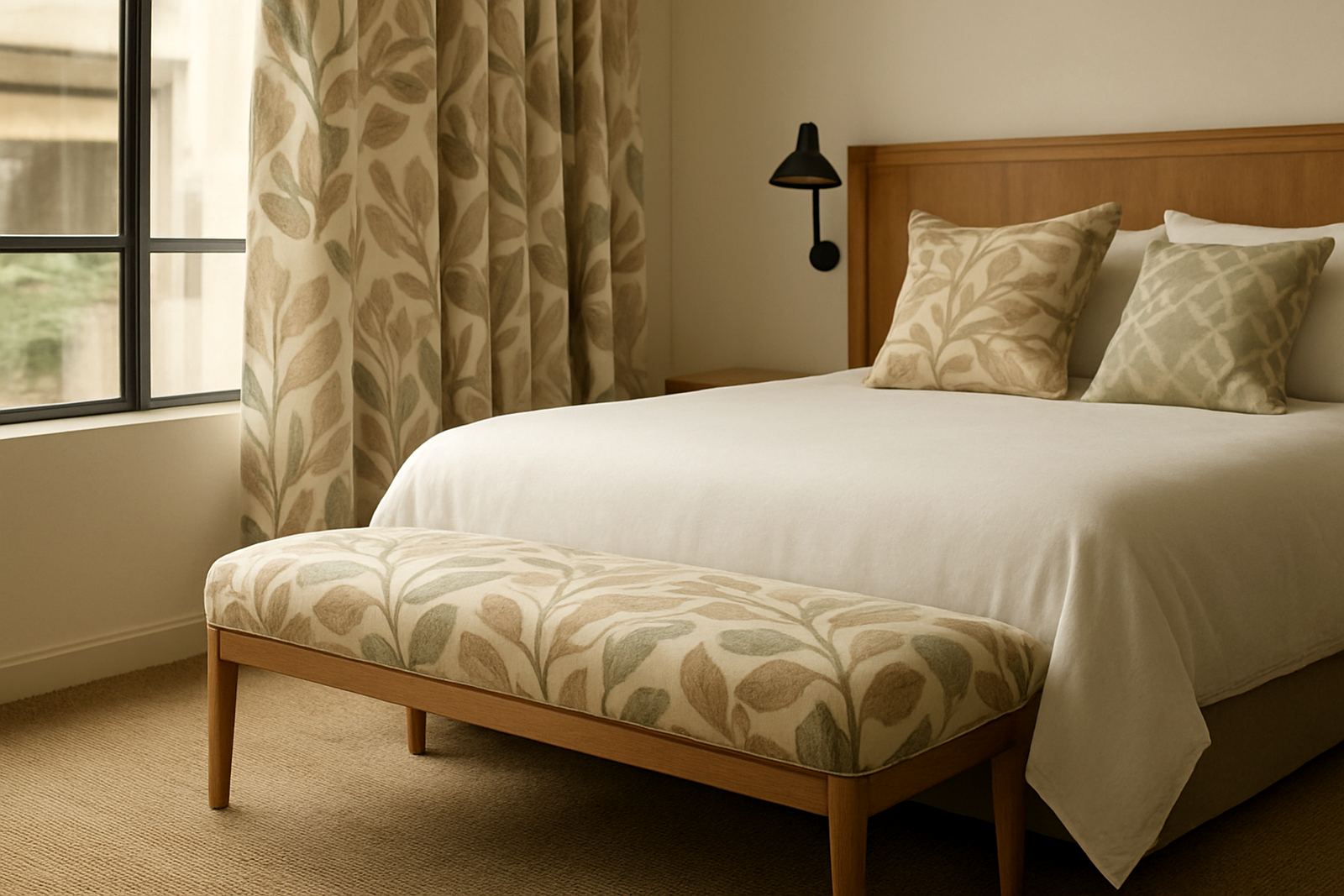
- Bedrooms: choose softer prints with a lined finish for better sleep.
- Studies and work rooms: pick cleaner graphics and less contrast.
- Rental units: use prints that can update the space without major changes.
Try printed curtains as a colour bridge in open-plan homes
Open-plan spaces can be tricky because the kitchen, dining and lounge areas all need to sit together. Printed curtains are a good way to connect those zones. If the sofa is charcoal, the rug has blue in it, and the artwork leans warm, a curtain can pull those tones into one place. That makes the room feel planned, not patched together.
This approach is useful in modern flats around Century City or family homes in Montague Gardens where the living space opens onto a balcony or stoep. A curtain near a sliding door can also hide harsh light during summer and give privacy at night without making the room feel closed in. If you are working with a small apartment, a curtain in the same colour family as the walls can help the room feel calmer.
- Use curtains to repeat one or two colours already in the room.
- Balance a busy print with plain cushions or a plain rug.
- Keep curtain length neat and full to the floor for a cleaner finish.
- Use tiebacks only when you need full window access.
Think beyond homes: printed curtains for studios, salons and guest spaces
Custom curtains are not only for private homes. A salon, guesthouse, treatment room or studio can use printed fabric to set the tone before a client even sits down. A soft botanical pattern can make a waiting room feel easier to be in. A geometric design can suit a creative studio or small retail space. In South Africa, where many businesses work from mixed-use premises, curtains are a practical way to separate a back room from the front without permanent construction.
For commercial use, the fabric choice matters. It needs to hold up to regular handling and in some cases it must meet building or venue requirements. If the curtains are going into a public-facing space, ask for the right finish, the correct hem allowance and the best hanging method for the rail or track already installed. It saves time later and the result lasts longer.
- Reception areas: use prints that are clean and welcoming.
- Consulting rooms: choose soft colours with low visual noise.
- Creative studios: use bolder patterns for energy and identity.
- Guest spaces: aim for prints that photograph well in daylight.
Local conditions change which curtain fabric makes sense
Cape Town weather can shift fast, and curtain fabric should handle that properly. Coastal humidity, sun exposure and winter damp all affect how fabric hangs and how long it keeps its look. Near the harbour side or in older homes with single glazing, lining can make a big difference. In inland suburbs, the main issue is often sun fade and heat buildup. A good fabric choice reduces both.
Load-shedding also changes how rooms are used. When lights are off, printed curtains still need to look good in natural light and not turn dull or muddy. That is why colour matching and strike-off sampling are worth the extra step. You can check how the fabric reads in morning light, in late afternoon and under warm indoor lighting before you commit to a full run.
If you are ordering from Ndabeni or nearby areas like Salt River, Woodstock, Observatory or Montague Gardens, it helps to plan the curtain length, fullness and hanging finish together. A neat hem, accurate width and proper packing all matter when the curtains need to go straight onto a rail or into a project site. It sounds small, but it avoids delays and rework.
Simple ways to brief a curtain project that prints properly
A clear brief makes the whole process easier. Start with the room size, window size, the type of rail or pole, and whether the curtain must block light, soften glare or simply decorate. Then decide how much pattern you want to see from across the room. Some clients want a statement from the entrance, while others prefer something that reads quietly up close.
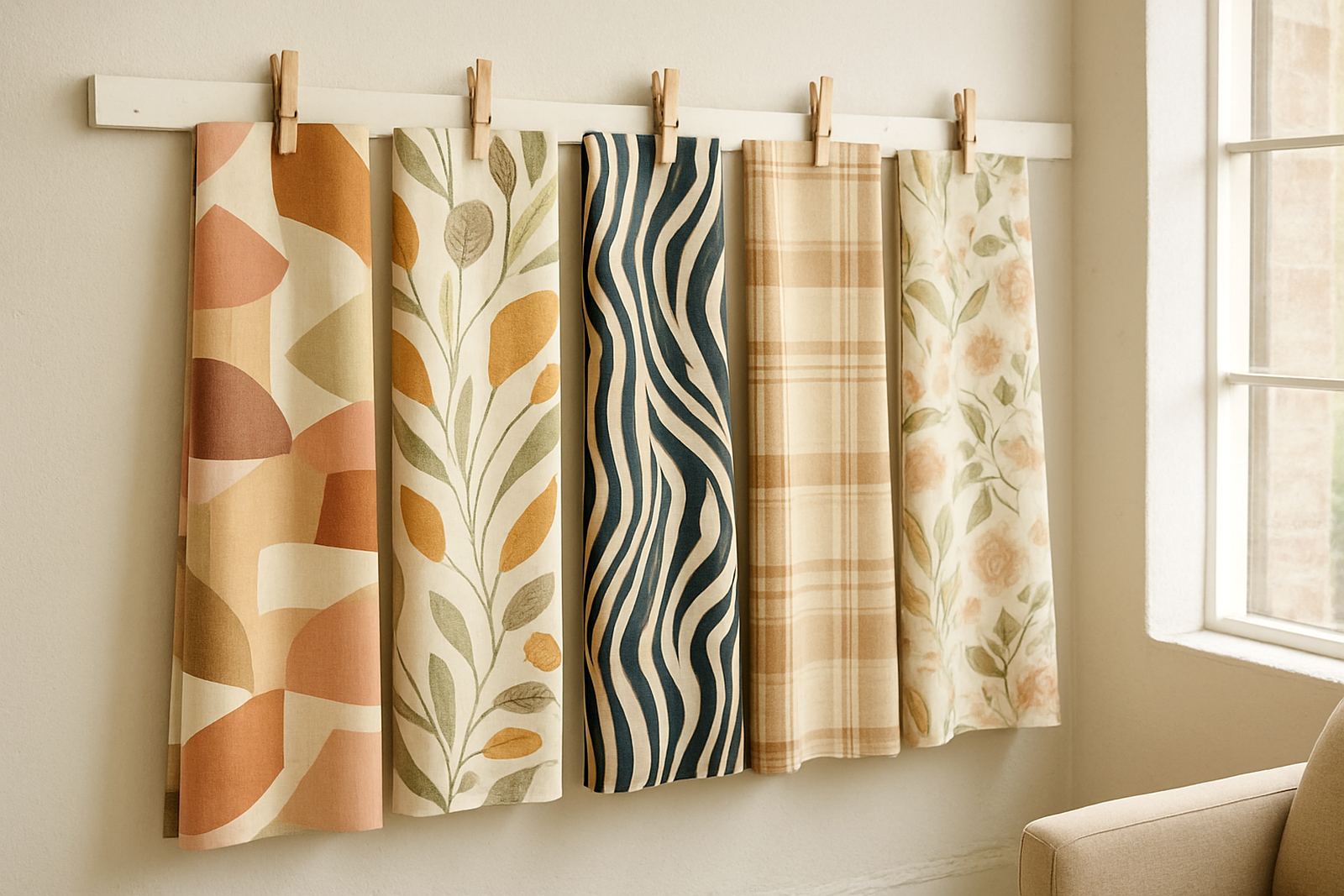
If you are using your own artwork, make sure the file is clean and the colours are set correctly. If you are choosing from repeat designs, ask about repeat pattern setup and how the design will sit across the width of the curtain. For a full home or a business fitout, bulk print runs can keep colours consistent from room to room. Small batch printing works well when you only need one pair for a bedroom or a feature window.
- Measure the window and the finished drop, not just the opening.
- Decide if you want lined, unlined or semi-blocking fabric.
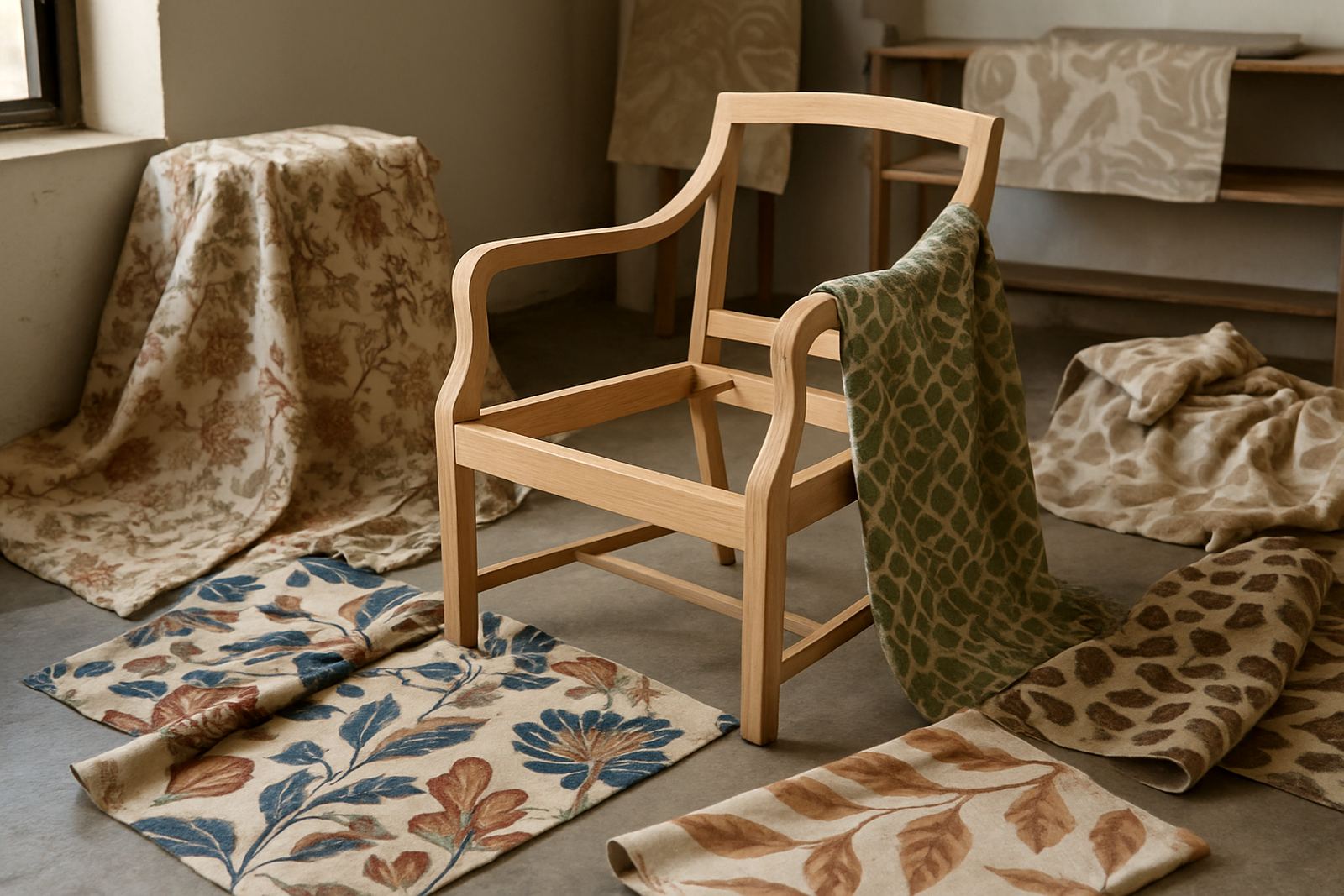
- Ask for a sample if the room has strong sun or unusual light.
- Check the hanging method before printing so the finishing is accurate.
For a local example, a client in Woodstock might use one printed curtain pair in a living area and a softer matching set in a bedroom, keeping the design family together without repeating the same look everywhere. That kind of planning gives the home a clear thread, and it still feels personal.