Start with the garment, not just the graphic
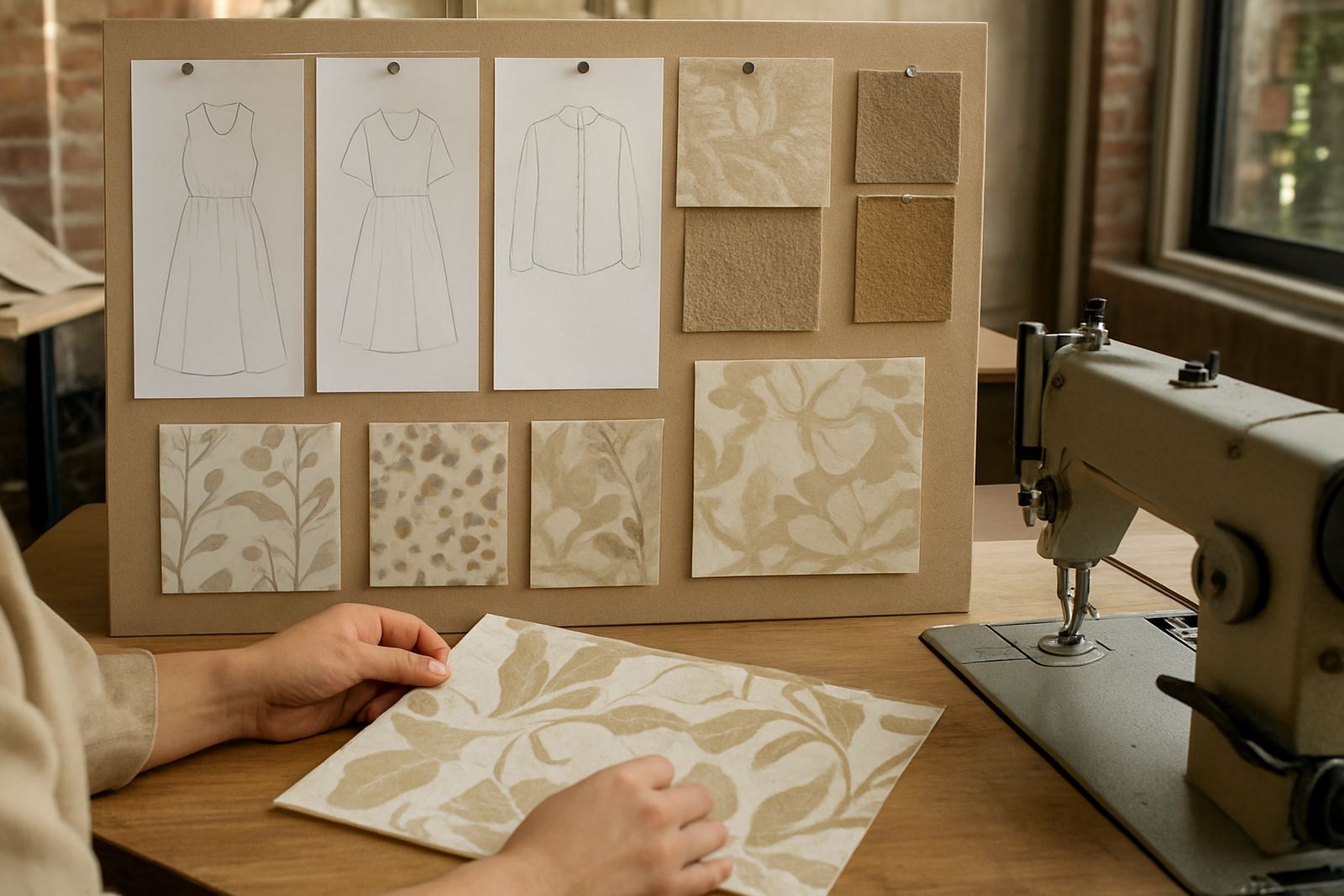
When you are planning a fashion print run, begin with how the final garment must wear, drape and wash. A print for a lightweight summer shirt in Cape Town will need a very different fabric choice from a heavier fashion item meant for repeat use in retail or staff wear. If the print is for a flowy dress, consider movement and opacity. If it is for structured pieces, think about stability and whether the cloth will hold shape after cutting and stitching.
It also helps to decide early if the print must work across multiple sizes. A placement print on a small size can shift badly on a larger pattern set if the artwork was not planned properly. For apparel runs in Ndabeni, Woodstock or Salt River, that kind of mismatch can delay cutting and waste fabric, so the garment plan should guide the artwork setup from the beginning.
Choose fabric for the job and the local conditions
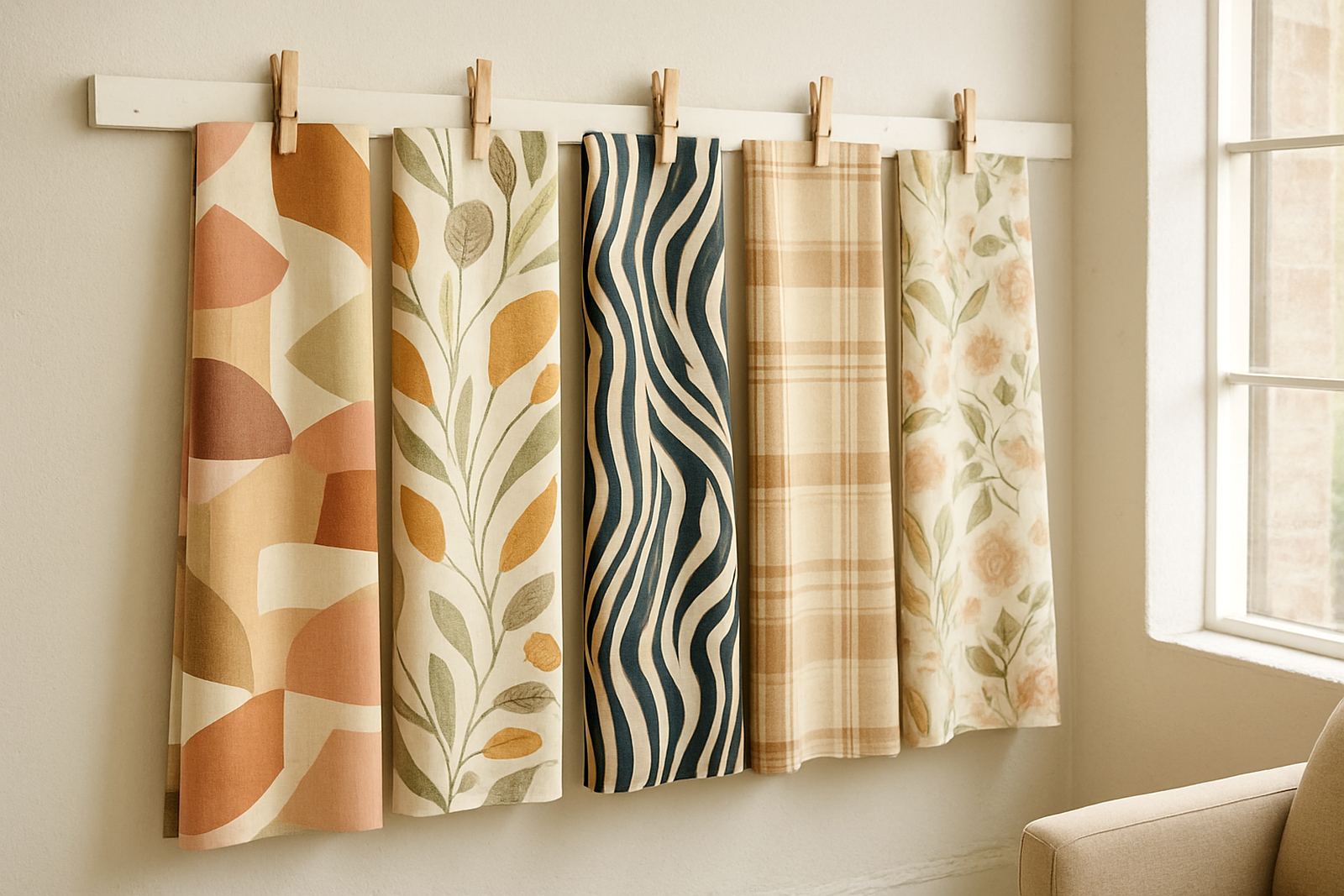
Fabric choice affects print sharpness, colour depth, comfort and how the garment behaves in real use. In Cape Town, coastal humidity can make some cloths feel different during handling and storage, while winter rain and summer heat affect how stock is packed and moved. For fashion production, ask for a fabric that suits the end use, whether that is smooth for crisp detail, textured for a softer look, or a heavier base for long wear.
It is worth checking the print area, weight in grams per square metre, and whether the cloth needs lining. If your garments will be sold nationwide, make sure the selected fabric can handle courier movement and folding without marking or creasing too badly. We also see many clients in Century City and Montague Gardens who need repeat orders, so consistency between batches matters just as much as the first sample.
- Match the fabric weight to the garment pattern and season
- Check opacity if the item will be worn close to the skin
- Confirm whether the fabric needs pre-wash or heat treatment
- Allow for shrinkage before cutting final panels
Set up your artwork for print, not for screen viewing
Artwork that looks fine on a phone or laptop can fail on cloth. Fashion prints need clean file setup, correct repeats, and artwork sized to the actual panel or metreage. Fine lines may break up, dark backgrounds can need extra testing, and small text can disappear once the cloth moves through finishing. File checking before print saves a lot of trouble later.
For repeat pattern setup, make sure the repeat matches the cut lines and that there are no obvious joins. If the print is a placement design, mark the exact position clearly. A good print technician will flag issues like low resolution, poor colour contrast, or missing bleed. That review is especially useful when a client wants a quick turnaround for a launch, because a small correction now is far cheaper than reprinting a whole batch later.
- Supply artwork in the highest practical resolution
- Use clear colour references where possible
- Label repeats, placements and scale in millimetres or metres
- Keep text away from seam lines and fold areas
Do a strike-off before the bulk run
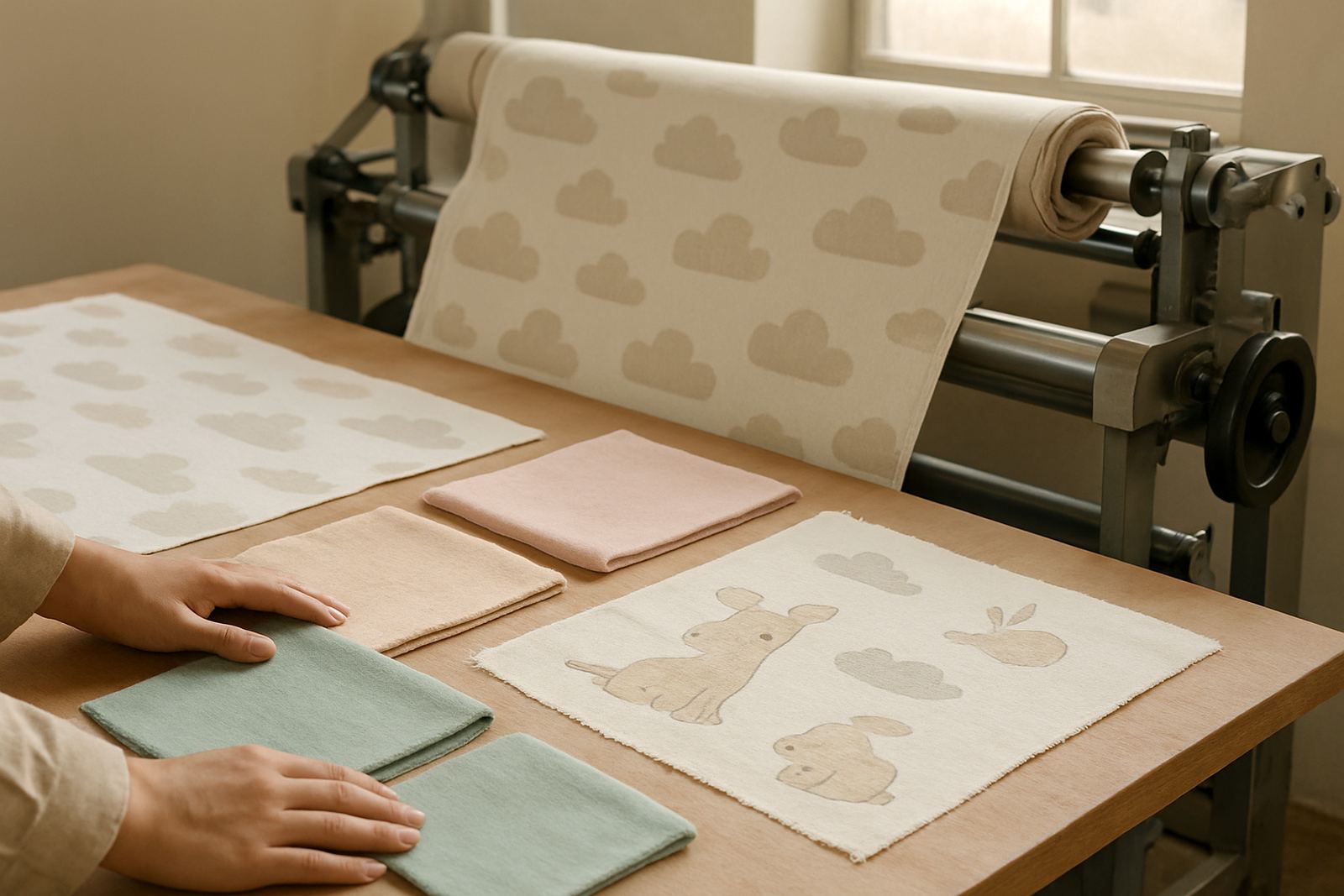
A strike-off sample is one of the smartest steps in apparel printing. It shows how the colour lands on the chosen cloth, how sharp the detail prints, and whether the repeat sits correctly. On some fabrics, a colour that looks rich in artwork can print slightly softer or warmer than expected. That is normal, but only if you have checked it first.
For local fashion clients around Observatory and the Cape Town base in Ndabeni, a strike-off also helps with decision making when there are several versions of one print. You can compare shades, scale and placement before committing to metres of production. It can be a small delay up front, but it often prevents waste, which is especially important when stock is tight and lead times are short.
Plan finishing, hemming and packing before production starts
Printing is only one part of the job. Apparel fabric may still need hemming, edge finishing, cutting marks, folding and packing for dispatch. If the cloth is going into garments, the print area must leave enough room for seams and trims. If the job includes presentation pieces or retail-ready fabric, the fold and pack standard should be agreed before the run starts.
In winter, load-shedding can interrupt production and drying schedules, so planning should allow for a little buffer time. A clean handover between printing, finishing and dispatch keeps the run moving. Our team handles bulk print runs and small batch printing, with packing and courier arranged once the order is ready. That matters for clients across South Africa who need the stock to arrive in one piece and on time.
- Confirm seam allowances before final print approval
- Agree on hemming or edge finishing if needed
- Decide how items should be folded and labelled
- Set courier timing for local Cape Town deliveries and nationwide orders
Use the local production side to your advantage
Fabric printing works best when the supplier understands the job from end to end. At Fabric Printers Studio in Ndabeni, Cape Town, the process can include custom fabric printing, repeat pattern setup, colour matching, strike-off sampling, fabric sourcing, file checking, hemming and finishing. That helps when a designer in Salt River needs a few test lengths, or when a business in Montague Gardens needs a repeat order for a fashion line and cannot afford colour drift between batches.
One simple example: a Cape Town label planning a small summer release may start with a metre sample for fit tests, then approve a strike-off, then move to a bulk print run once the cut is confirmed. From there the fabric can be packed and couriered to branches or customers nationwide. That approach keeps the process practical, with fewer surprises and less stock sitting idle.